
Chinese Intangible Cultural Heritage
Chanhua silk flower and Luodian mother-of-pearl are two living crafts recognized as part of China's intangible cultural heritage. Meet the artisans and the techniques behind Silk Lineage.
When you wear a Silk Lineage piece you are wearing history — silk thread that outlives fashion, shell that has glowed for a thousand years. This is the story of two Chinese crafts, the people who keep them alive, and how you can carry them into your own life.
1 min read

01
What is intangible cultural heritage?
Unlike monuments or paintings, intangible cultural heritage lives in hands and memory — skills passed between people rather than stored in museums. UNESCO and China's national lists include crafts such as silk weaving, lacquer and jewelry-making techniques.
Chanhua and Luodian are both transmitted by masters to apprentices over years of practice. When you buy handmade, you fund that transmission directly.

02
Chanhua — silk that blooms forever
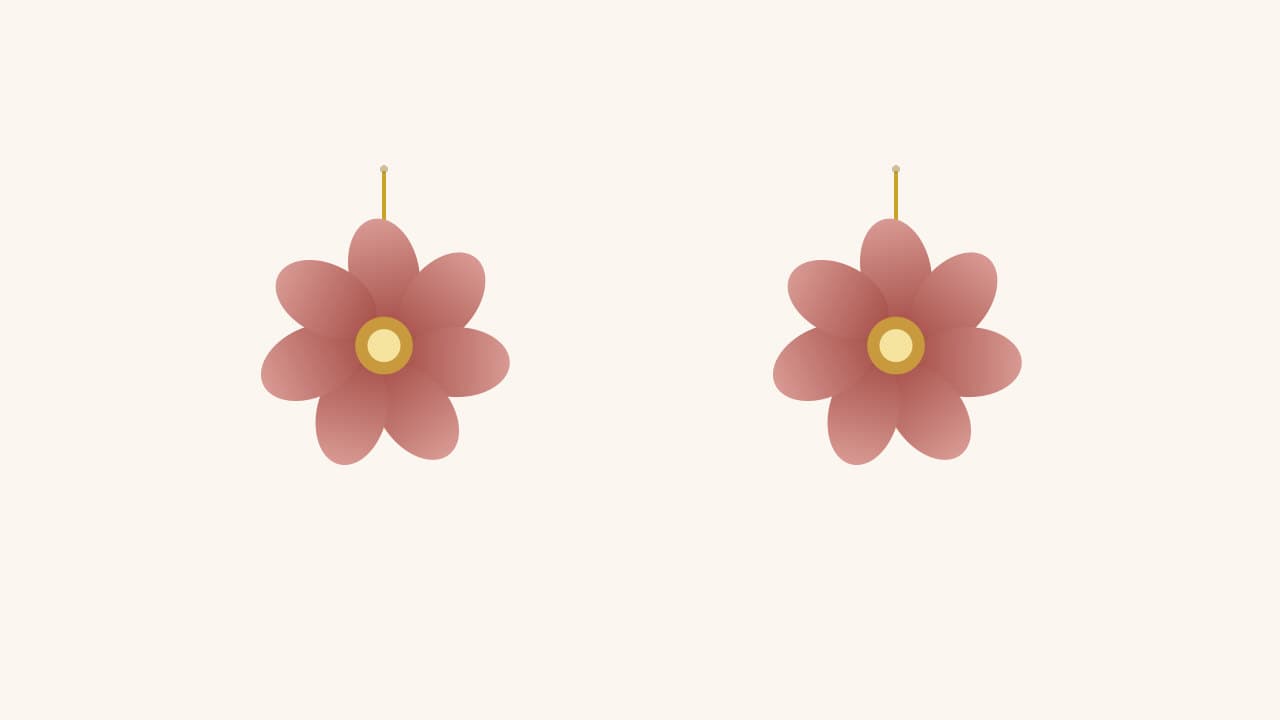
Chanhua (缠花, literally “wrapped flower”) uses dyed silk thread over shaped wire to build three-dimensional flowers. Light, romantic and endlessly varied, it was traditionally made for hanfu hair accessories, festival decoration and bridal wear.
Discover the full story on our Chanhua page.

03
Luodian — the glow of shell
Luodian (螺钿) inlays wafer-thin mother-of-pearl into lacquer, wood or metal. Prized by Tang and Song courts, the craft turns humble shell into luminous gardens, butterflies and cloud patterns.
See the technique on our Luodian page.
04
Wear it, make it, keep it alive
Heritage survives when it is used. Shop finished jewelry to wear these arts daily, or take a DIY kit to learn the first movements of the craft yourself. Every purchase supports artisan wages, materials and the next generation of apprentices.
Frequently asked questions
Are Chanhua and Luodian actually intangible cultural heritage?
Both belong to traditions that have been inventoried under China's intangible cultural heritage system; silk crafts and shell inlay have deep documented histories. We always credit the contemporary masters we work with.
How does buying jewelry help preserve the craft?
Demand keeps workshops running and lets masters take on apprentices instead of leaving the craft for other work.