What Is Ronghua? Chinese Velvet Flower Art & Hanfu Headwear
A complete guide to Ronghua (绒花): the history of Chinese velvet flower art, how silk velvet flowers are made, why they mean glory and prosperity, and how to wear them today.
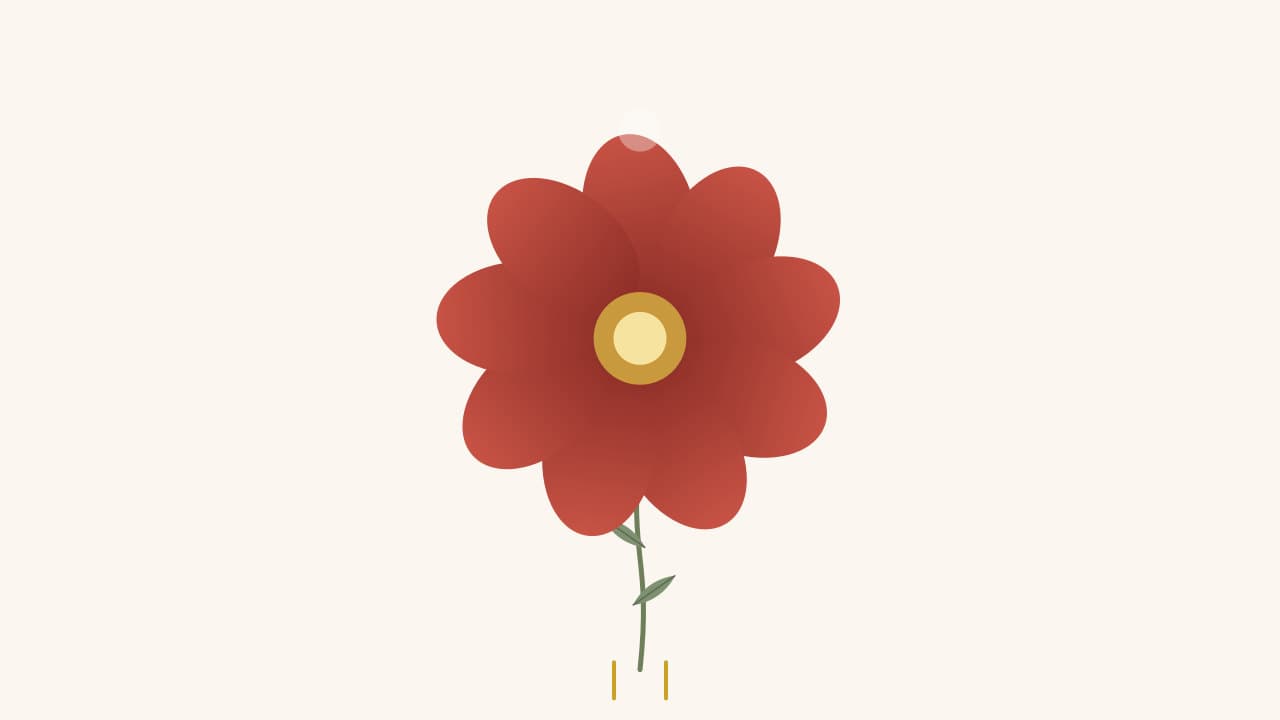
Ronghua — literally “velvet flower” — is the Chinese craft of building flowers from silk velvet wound around fine copper wire. If you have seen a hanfu headdress crowned with soft, richly coloured blossoms that look almost like fur, you have seen ronghua.
2 min read
01
History & origins
Ronghua is traditionally associated with Nanjing and Yangzhou in Jiangsu province, with a parallel tradition in Beijing. Its origins are commonly traced to the Tang dynasty, and the craft reached its height in the Ming and Qing dynasties, when velvet flowers were worn at court and sold at temple fairs across the empire.
Because silk was expensive, early makers worked with degummed silk leftovers — the same thrift that shaped chanhua. Ronghua became the festive flower of the Lunar New Year and of weddings, when almost every woman in a family might wear one.
The craft declined sharply in the twentieth century as machine-made ornaments took over. It has been revived since the 2000s, and Nanjing ronghua is recognised as national intangible cultural heritage in China. Today a new generation of makers reaches customers through hanfu styling and short-form video.
02
How ronghua flowers are made
Every ronghua flower starts with silk that has been boiled and degummed into a soft, dense pile, and fine copper wire bent into petal frames.
- Silk is wound tightly onto the wire frame to build a velvet-covered petal.
- Each petal is trimmed by hand into its final shape — pointed, rounded or serrated. This step, called da jian, is what most clearly separates a skilled maker from a beginner.
- Petals are graded by size and layered from the outside in.
- The flower is assembled onto a hairpin, comb, earring hook or brooch.
A single peony may use dozens of petals and take several hours; complex imperial-style headdresses take days.
03
Cultural meaning
Ronghua carries one of the most direct puns in Chinese material culture: 绒花 (róng huā) sounds like 荣华 (róng huá) — glory and prosperity.
That makes it the auspicious flower of celebration. Ronghua is worn at Lunar New Year, at weddings, and for graduations and promotions. In the Qing court, women wore ronghua headdresses for formal occasions, and the craft's softness and permanence were read as wishes for a flourishing, enduring life.
Unlike a fresh flower, a ronghua blossom does not wilt — the blessing is meant to last.
04
Ronghua in modern accessories
Ronghua has moved out of the costume box. Today you will see velvet flowers on:
- Hanfu hairpins and combs for festivals, weddings and photo shoots
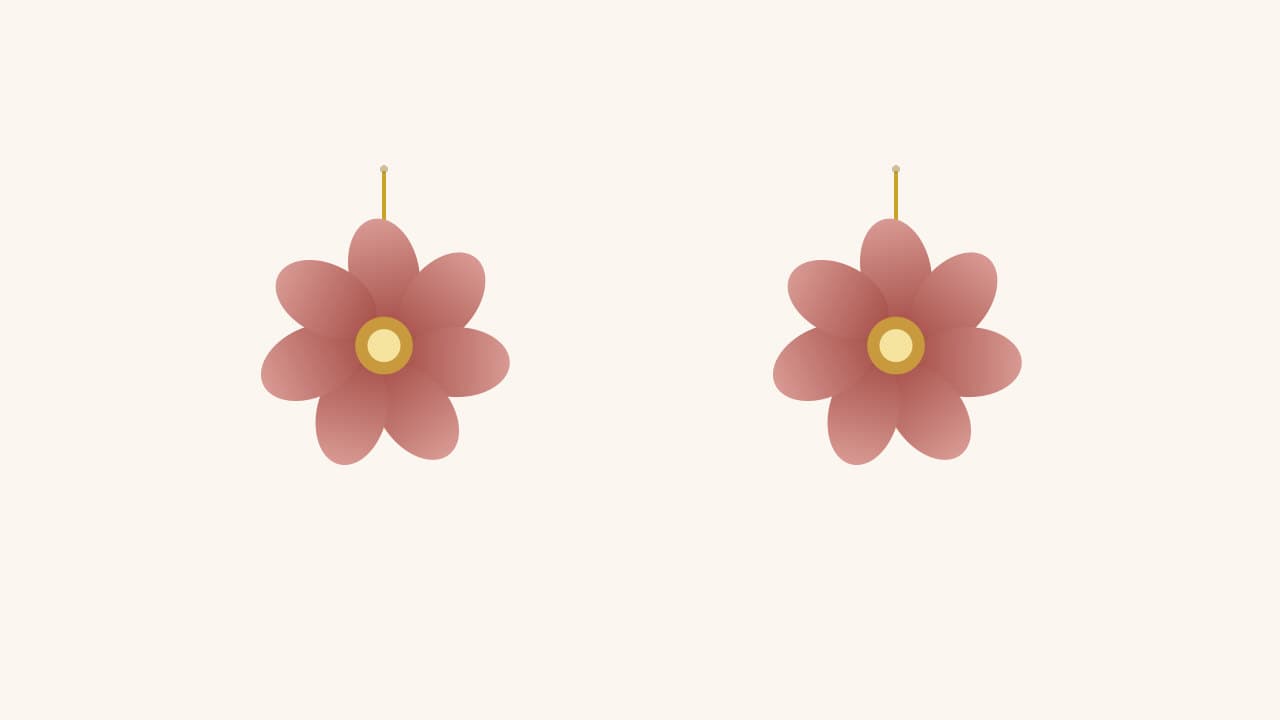
- Modern earrings and brooches styled with everyday clothing
- DIY kits that teach the wire-and-velvet technique to hobbyists worldwide
Because the pile catches light softly, ronghua photographs very differently from chanhua — which is exactly why many makers learn both.
Start with a ronghua DIY kit or compare it with chanhua silk flower art.
Frequently asked questions
What is ronghua in English?
Ronghua (绒花) is usually translated as “velvet flower” — a Chinese craft in which degummed silk velvet is wound onto copper wire frames and hand-trimmed into flowers for hair ornaments and jewelry.
What is the difference between ronghua and chanhua?
Both are silk flowers built on wire, but the material and finish differ. Chanhua wraps flat silk thread tightly around a flat frame, giving crisp, glossy petals. Ronghua builds up a velvet pile that is trimmed into shape, giving soft, matte, almost fur-like petals.
Why is ronghua considered lucky?
The word 绒花 sounds almost identical to 荣华, meaning glory and prosperity. That pun made ronghua the traditional festive flower for Lunar New Year and weddings.
Can I learn ronghua at home?
Yes. Our ronghua starter kits include prepared silk velvet, copper wire, tools, step-by-step English instructions and video tutorials.