Handmade in small batches · Free tracked shipping over $139
Silk Lineage logoSilk Lineage
Luodian (螺钿): The Imperial Art of Mother-of-Pearl Inlay

Luodian (螺钿): The Imperial Art of Mother-of-Pearl Inlay

From Tang dynasty court mirrors to butterfly hairpins: the history of Chinese luodian craft, how shell inlay works, its artistic value and how it is worn today.

Mother of pearl inlay art has many names around the world — in China it is Luodian (螺钿), shell embedded into lacquer and metal until it glows like captured moonlight. This is the craft behind our shimmering butterflies.

1 min read
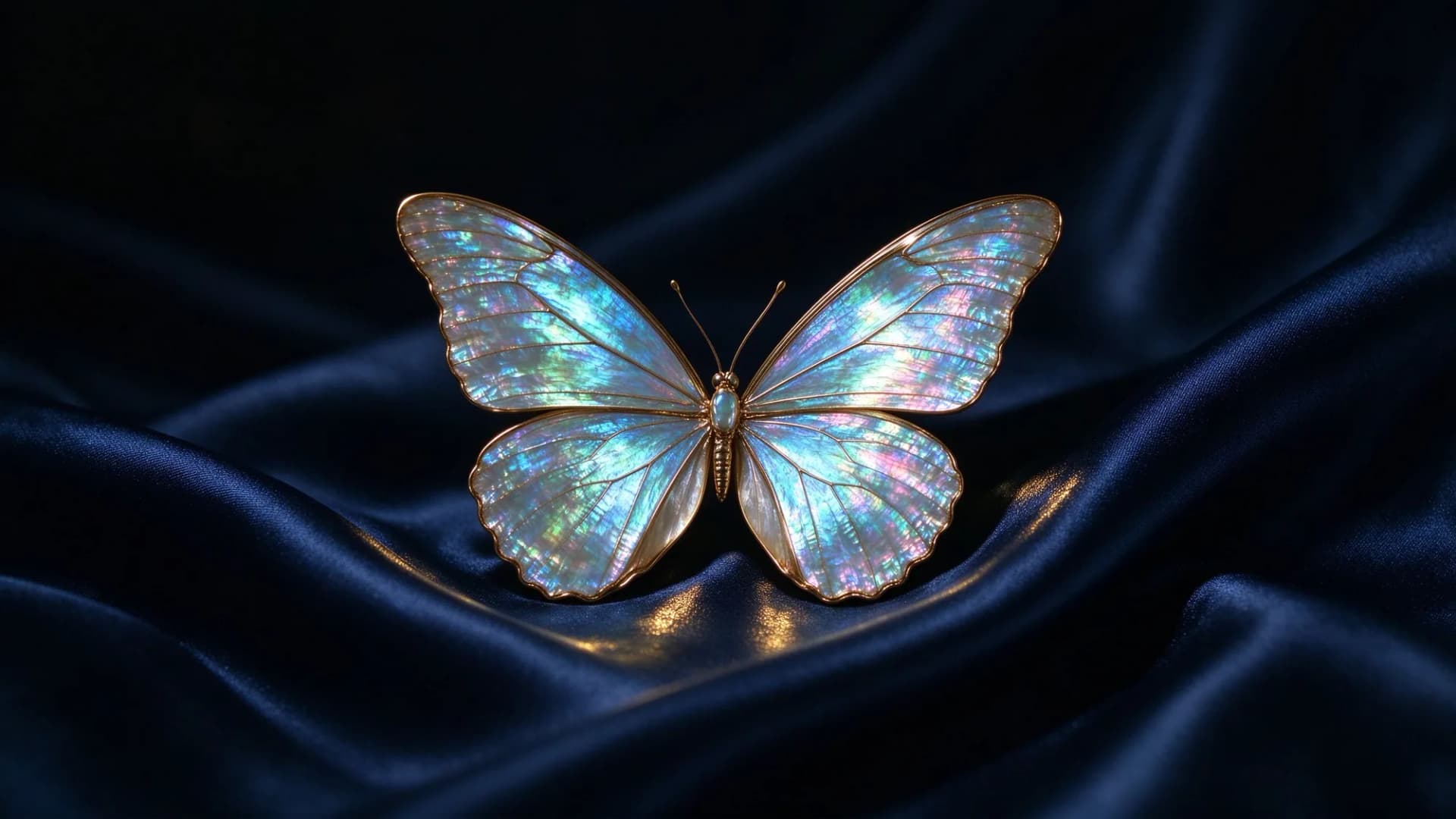
Luodian mother-of-pearl butterfly inspired by Tang dynasty craft

01

A craft born in the imperial court

Luodian reached its golden age during the Tang dynasty (618–907), when craftsmen inlayed shell into mirrors, musical instruments and lacquerware for the court. Song dynasty collectors prized it so highly that Luodian objects were passed down like jewelry.

The technique later spread to furniture, hairpins and small ornaments. Ming and Qing dynasty bridal furniture often featured shell butterflies and flowers — symbols of joy and transformation.
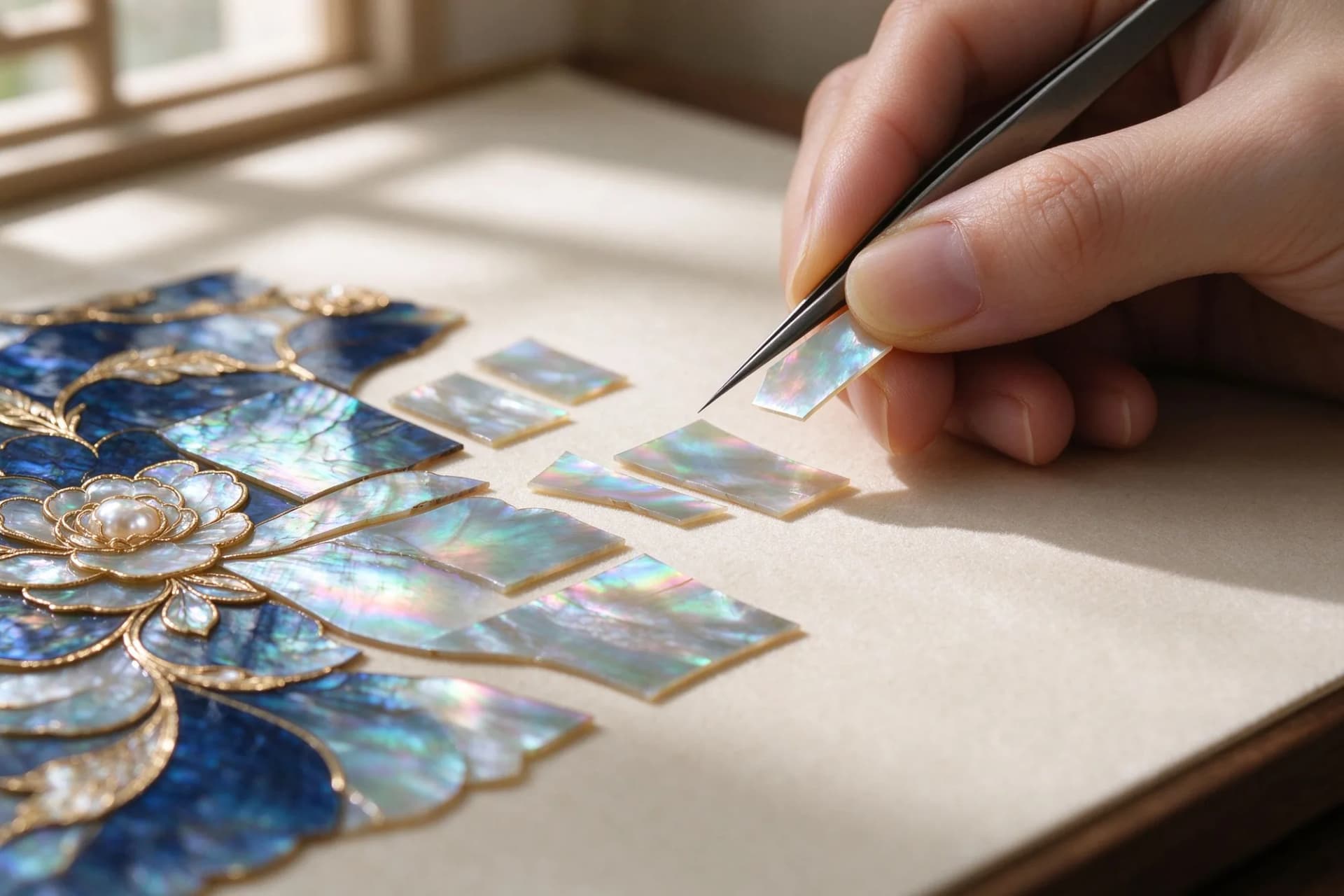
Luodian shell inlay technique showing nacre layers

02

How shell becomes light

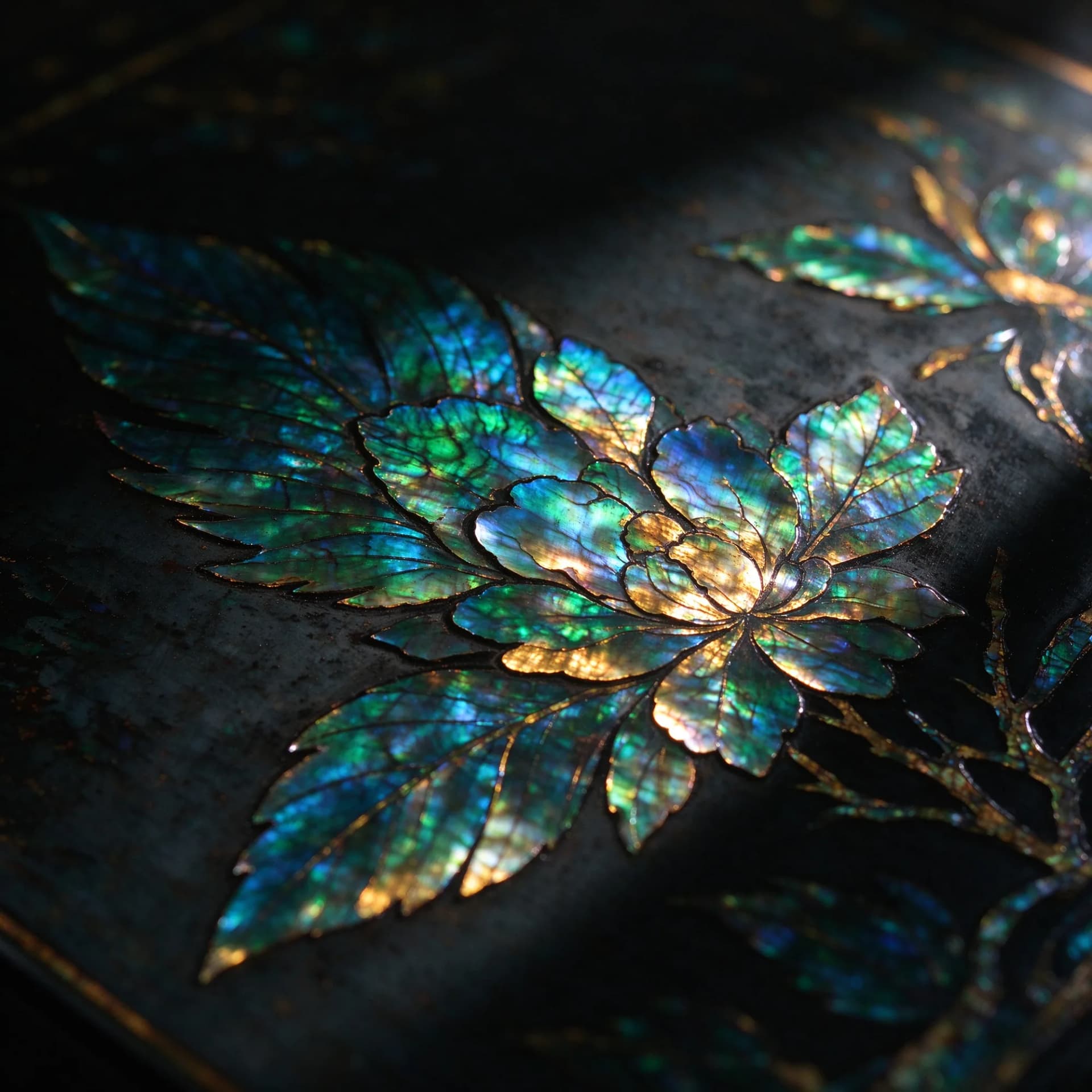
Luodian relies on the microstructure of nacre — the iridescent lining of shells. Layers of aragonite and protein bend light, creating shifting color.

Artisans cut shell into wafers, trace designs, then grind each fragment to fit perfectly. The pieces are adhered to a base and sealed with layers of lacquer or clear finish, then polished until smooth.
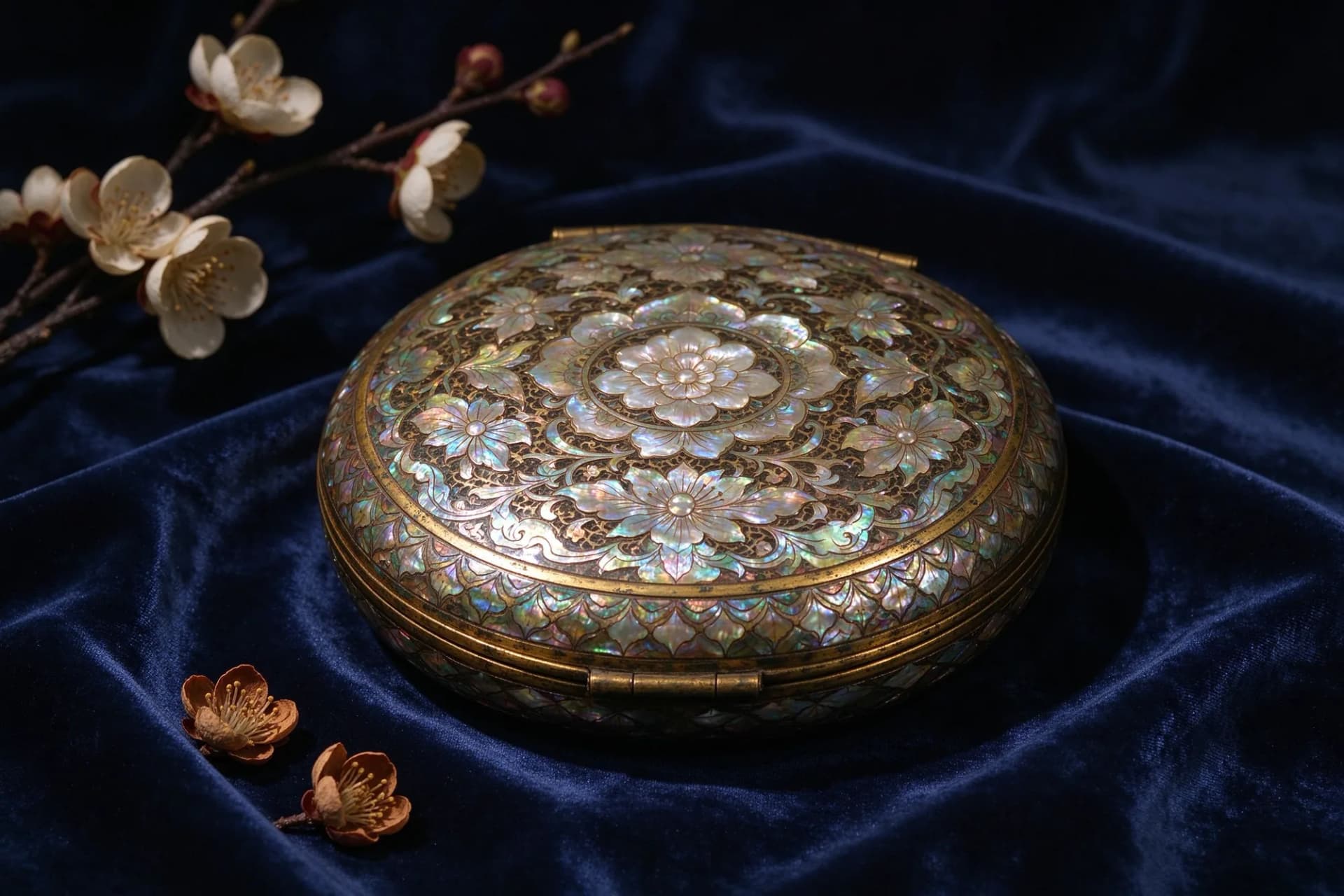
Polished Luodian fan brooch with mother-of-pearl inlay

03

Why it is called “art for a thousand years”

Luodian objects survive for centuries because shell and lacquer age gracefully. Museums worldwide hold Tang mirrors whose inlay still shimmers.

The artistic value lies in patience: a single small box could take months, and every shell fragment is chosen for its grain and tone. This is why genuine Luodian is never cheap — and never identical twice.
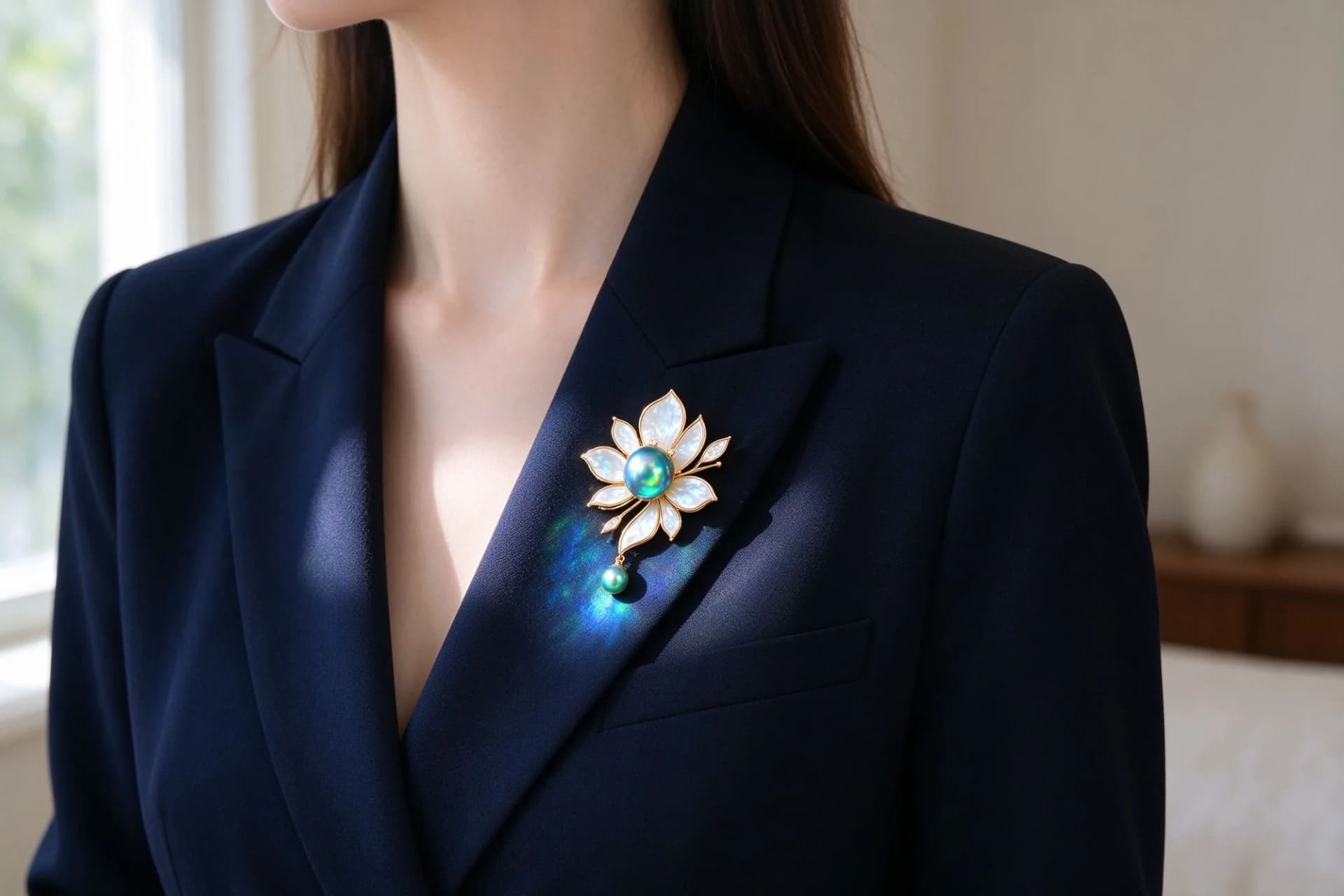
Modern outfit styled with Luodian mother-of-pearl jewelry

04

Luodian jewelry today

Modern wearers love Luodian for its living color: blue-green wings that flash gold in sunlight. It pairs beautifully with black evening wear, hanfu and minimalist tailoring.

Luodian is made with our collaborating inlay artisan, and those pieces are not in the online catalogue yet. To see what is available now, browse the shop; to learn the silk side of the craft first, start with a Chanhua DIY kit.

Frequently asked questions

What does Luodian mean?

Luódiàn (螺钿) combines luó (spiral shell) and diàn (inlay with shell or gems) — literally “shell inlay”.

Is the shell in your jewelry real mother-of-pearl?

Yes — we use genuine freshwater nacre, the same material used in historic Luodian objects.

Why does the color change in different light?

Nacre's layered structure refracts light at different angles, producing blue, green and gold flashes. That shimmer is natural.
See it in motion

How to Make a Chinese Silk Flower Hairpin | Chanhua Tutorial
Chanhua Making

How to Make a Chinese Silk Flower Hairpin | Chanhua Tutorial

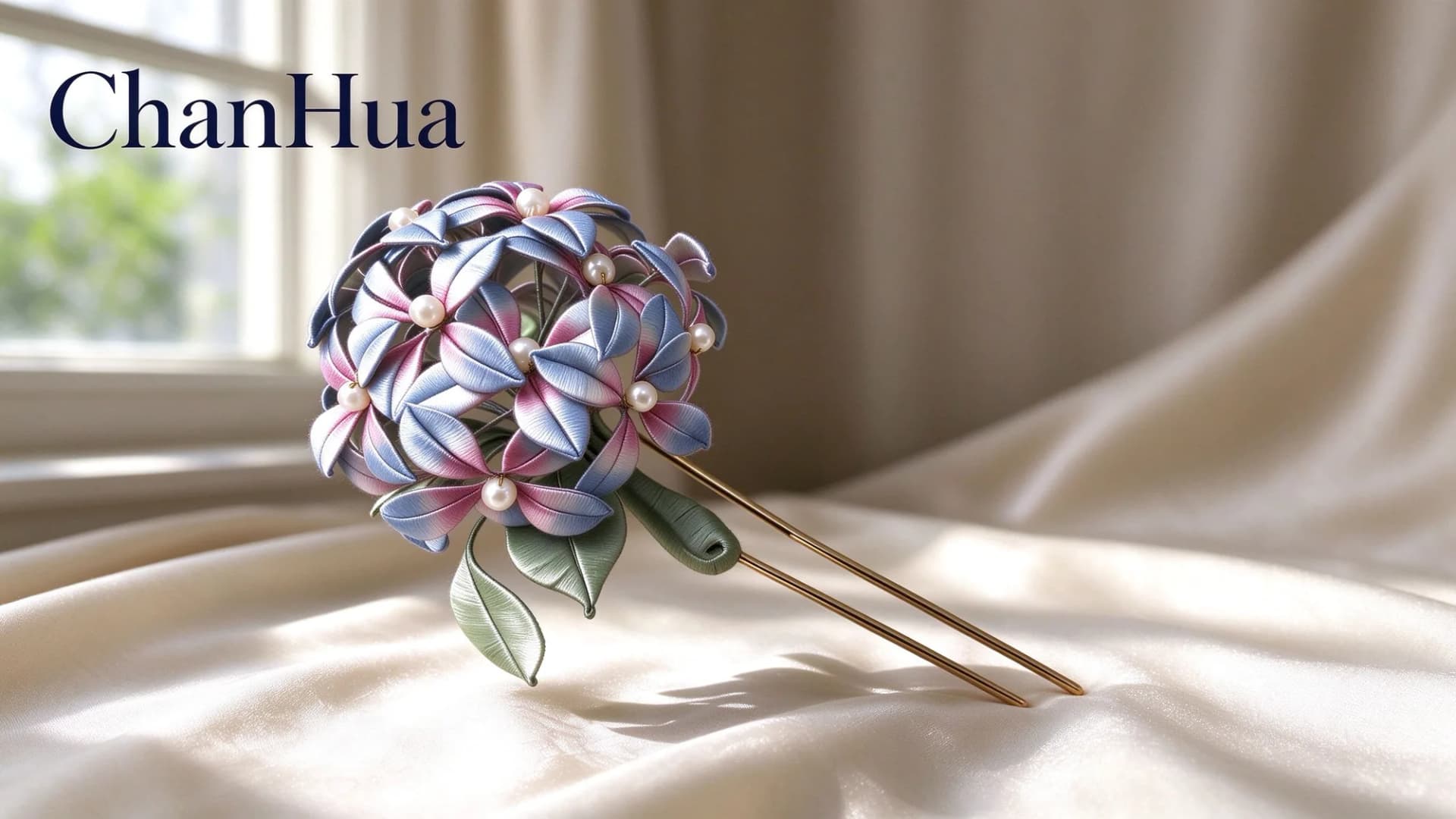
A silk flower hairpin, made from the first cut to the finished pin — dyed silk floss wound strand by strand over a shaped copper-wire frame. The craft is chanhua (缠花), and nothing about it is printed or molded: every petal is wrapped by hand. ## What happens in this video The whole method, in order: cutting the paper templates and the wire, wrapping the silk evenly around both, sealing the thread ends with a flame, shaping each petal, and fixing the finished piece onto the hairpin base. ## What you need of your own Three things: scissors, a lighter, and a cylindrical pen. The lighter seals the thread ends so the silk does not fray, and the pen barrel is what you shape the petals around — the small brush that comes in a kit is too thin for it. ## How long it takes A first piece runs from four to seven hours for a compact design such as the hydrangea hairpin, up to six to nine hours for a long stem like the trailing jasmine. Most of that time is the winding. You can stop at any point — wound silk holds its shape. ## Why the technique is different Chanhua is three-dimensional. It is closer to making a tiny silk sculpture than to sewing or embroidery: the silk is not stitched into fabric, it is wrapped around a wire skeleton until a flower appears. The same method builds every design in the shop — the wire frames decide which flower you get. ## Read more - What chanhua actually is: /blog/what-is-chinese-silk-flower-art-chanhua - How the silk is wrapped around the wire: /blog/how-to-wrap-silk-thread-around-a-wire-frame Wound by hand in Guang'an, Sichuan, by Hong.

Making a Blue Phoenix Brooch in Silk — 25 Quiet Minutes (No Talking)
Chanhua Making

Making a Blue Phoenix Brooch in Silk — 25 Quiet Minutes (No Talking)

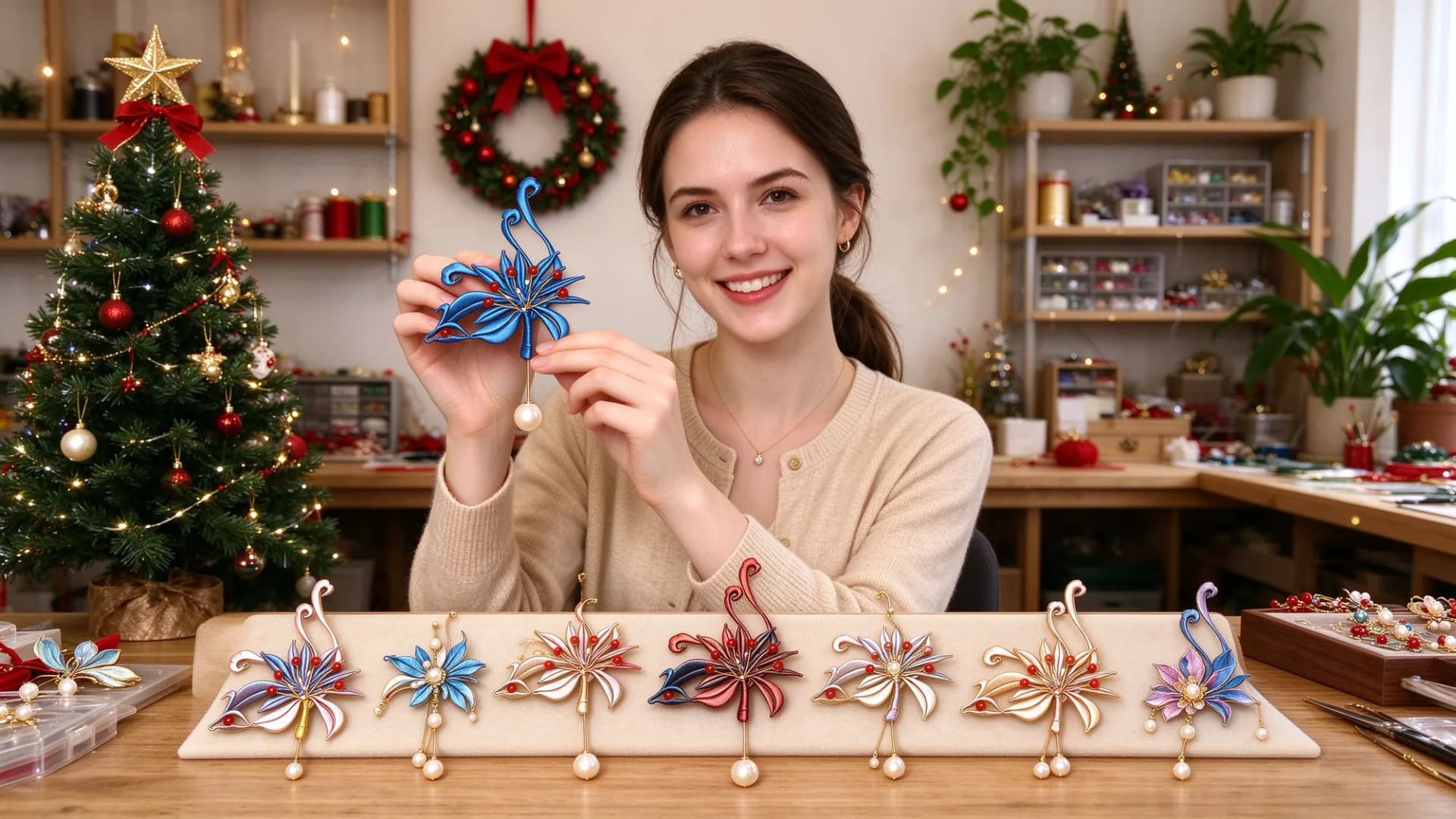
A blue phoenix brooch, wound from dyed silk floss over a copper-wire frame — twenty-five quiet minutes of chanhua, with no voice-over anywhere in it. What you hear is rain, quiet music, and the work itself: silk against wire, scissors, a lighter. There is nothing to follow and nothing to remember. Watch it while you study, while you work, or while you fall asleep. The brooch is built petal by petal and every petal is wrapped separately. Nothing here is printed and nothing is molded — the whole piece is wound by hand, and it takes six to nine hours. Wound in Guang'an, Sichuan, by Hong.

How to Make a Blue Trailing Jasmine Hairpin — Full Chanhua Tutorial
Chanhua Making

How to Make a Blue Trailing Jasmine Hairpin — Full Chanhua Tutorial

Making a blue trailing jasmine hairpin from start to finish — dyed silk floss wound over copper wire, the Chinese craft of chanhua. Fifteen centimeters of stem, and every bloom is wound separately. That is why one piece takes six to nine hours: there is no shortcut, and no machine does this. **You'll need:** scissors, a lighter and a cylindrical pen. The lighter seals the thread ends so the silk does not fray, and the pen barrel is what you shape the petals around. Everything used in this video is in our [blue trailing jasmine hairpin kit](/products/chanhua-trailing-jasmine-hairpin) — the same kit also covers the leaves in the [leaf tutorial](/videos/chanhua-leaf-tutorial). [Finished pieces](/products/chanhua-trailing-jasmine-hairpin) are available for anyone who would rather not make one.

Why collectors trust us