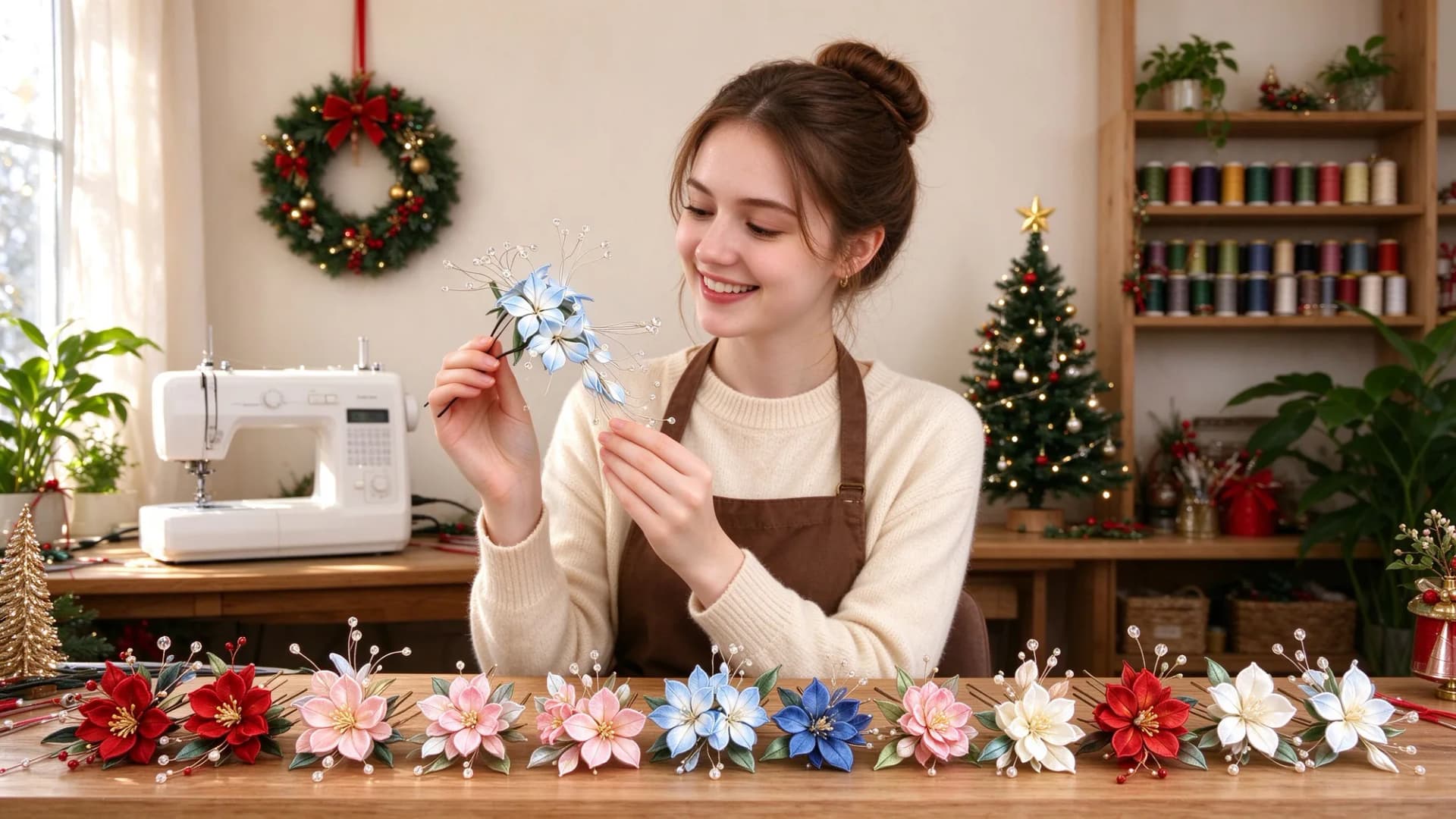
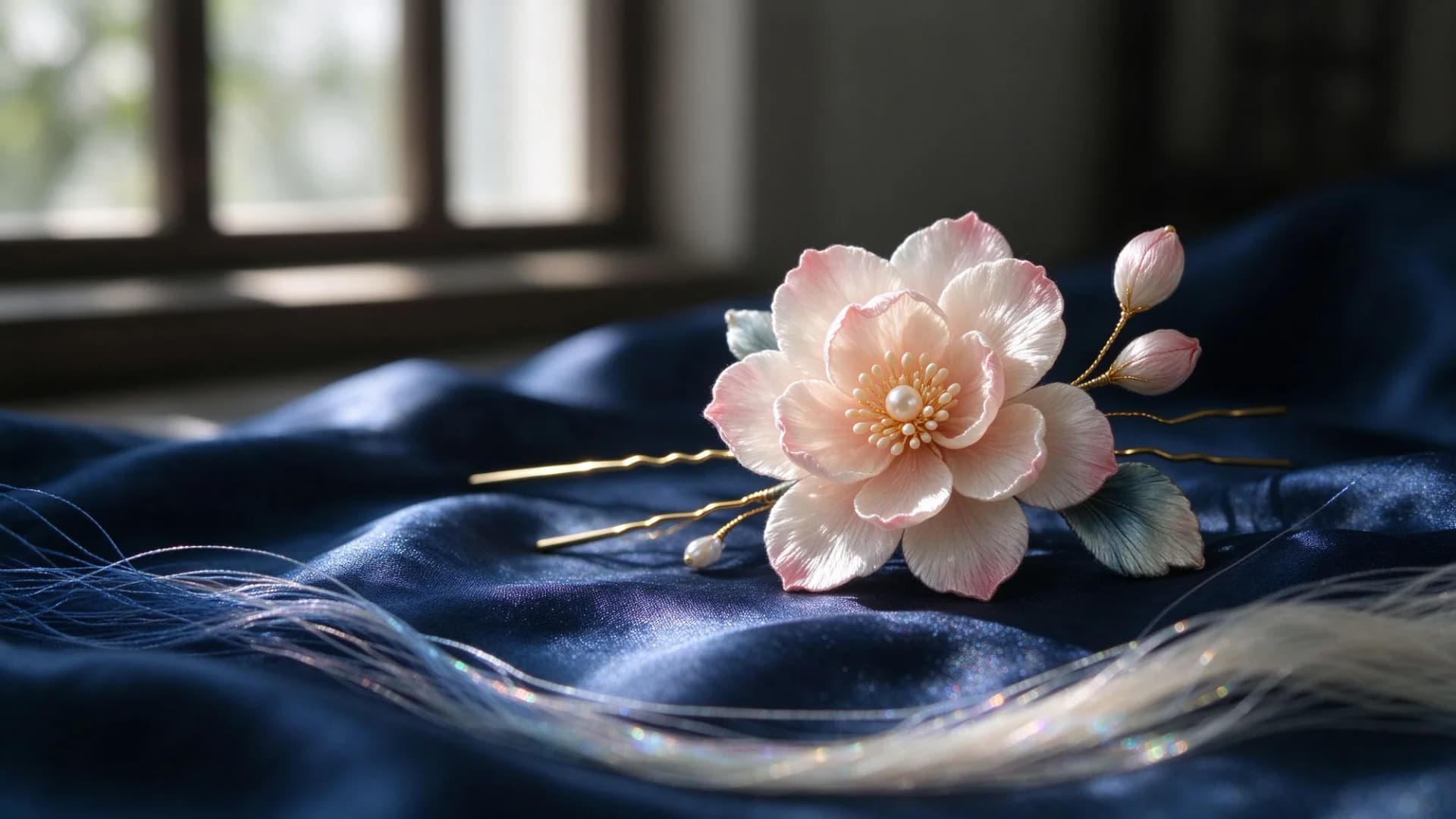
Handmade in small batches · Free tracked shipping over $139
Silk Lineage logoSilk Lineage
What Is Chanhua? Chinese Silk Flower Art & Hanfu Hair Accessories

What Is Chanhua? Chinese Silk Flower Art & Hanfu Hair Accessories

A complete guide to Chanhua (缠花): history of Chinese silk flower art, how silk flowers are made, their cultural meaning, and how to wear them today.

People searching what is Chinese silk flower art are usually meeting Chanhua for the first time through hanfu, wedding styling or a viral craft video. This guide answers the question properly — from Tang-era folk roots to the hairpin in your cart.

2 min read
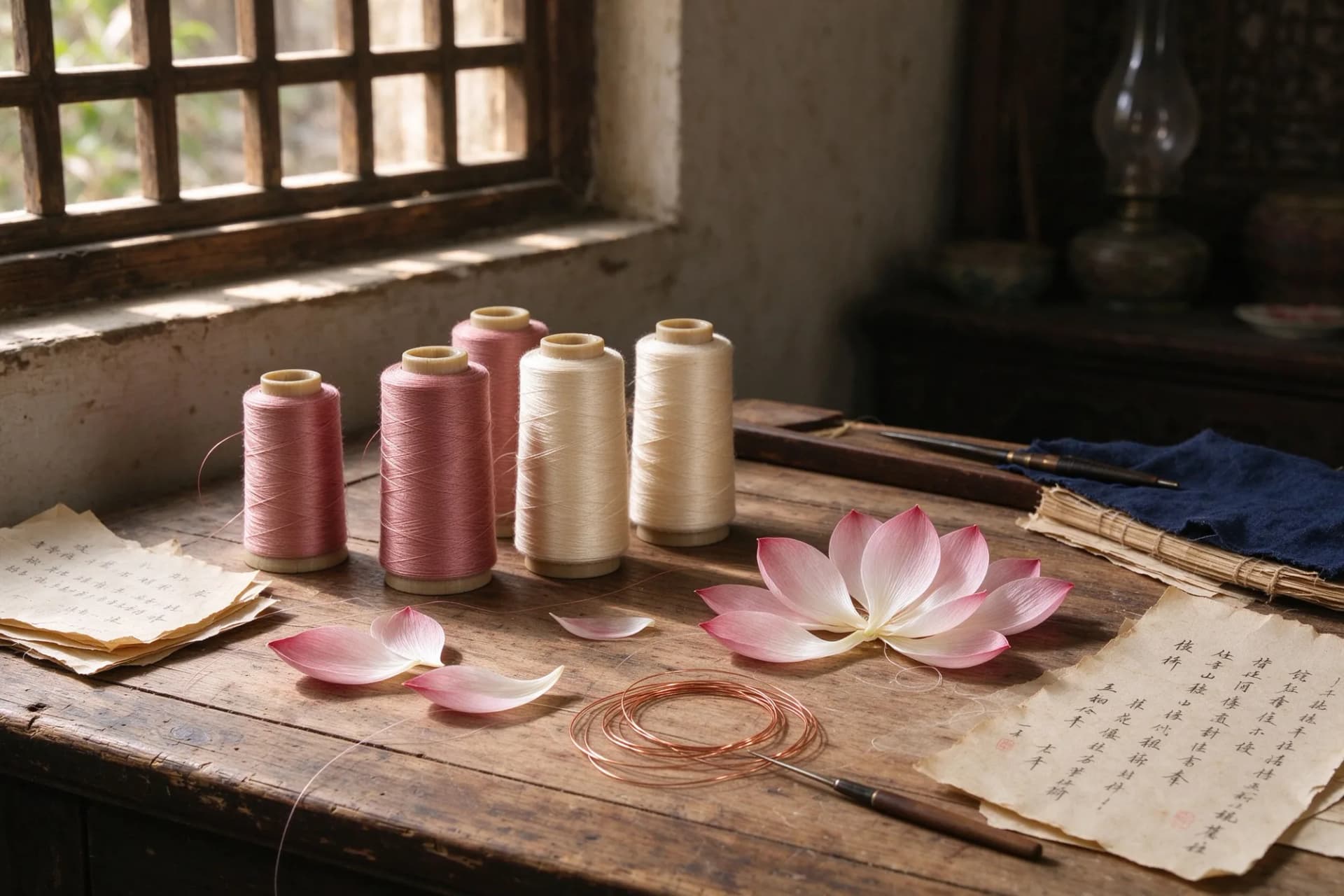
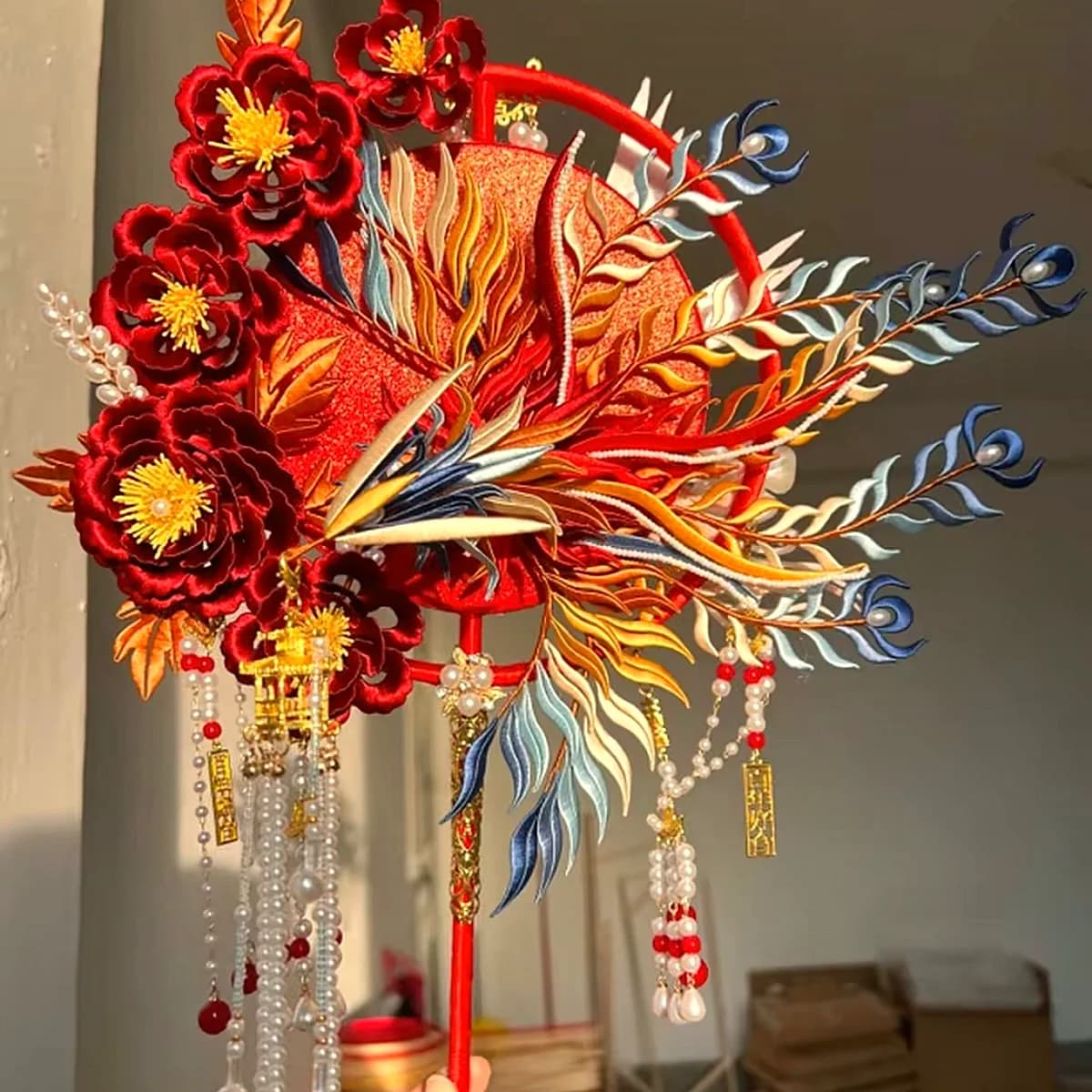
History of Chanhua silk flower hair accessories

01

History & origins

Chanhua's exact birthplace is debated, but the technique of wrapping silk around wire frames is centuries old, with strong folk traditions documented in Hubei, Fujian and Taiwan.

In agricultural China, silk was precious but leftovers were not wasted: craftswomen turned thread scraps and wire into hanfu hair accessories for festivals, weddings and New Year. Because silk flowers never wilt, they became symbols of luck and longevity.

The craft entered national heritage inventories in the 2000s, and today a new generation learns it through short video platforms — exactly how many of our customers first discover it.
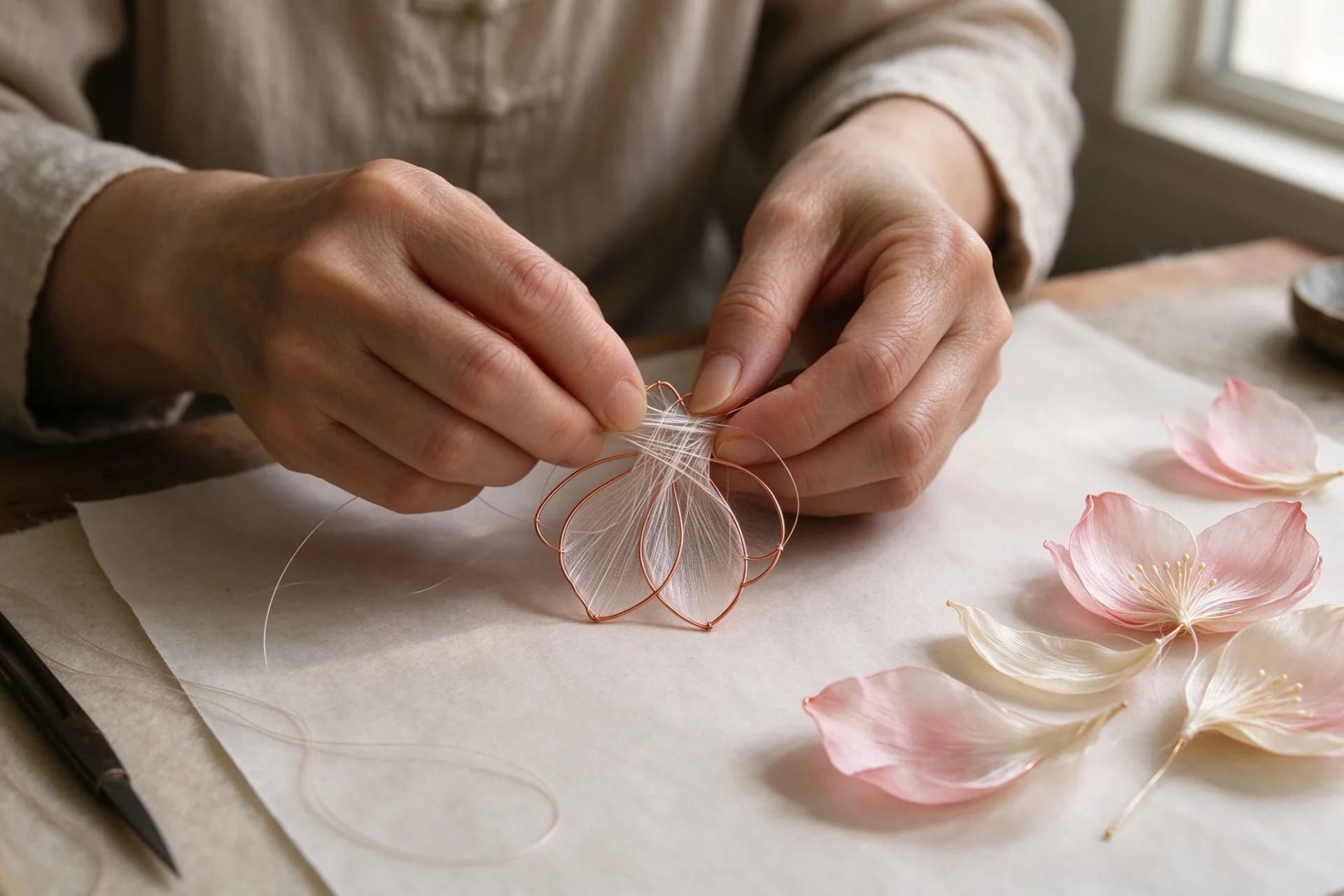
Hand-wrapped Chanhua silk flower technique close-up

02

How Chanhua flowers are made

Every Chanhua flower begins as dyed silk floss and shaped copper wire.

  1. The artisan bends wire into petal frames.
  2. A thin strand of silk is glued and wrapped around each frame at a slight angle.
  3. Petals are layered from the outside in.
  4. The flower is assembled onto a hairpin, comb, earring hook or brooch.

A complex peony can contain more than a hundred petals and take 2–6 hours of hand work.
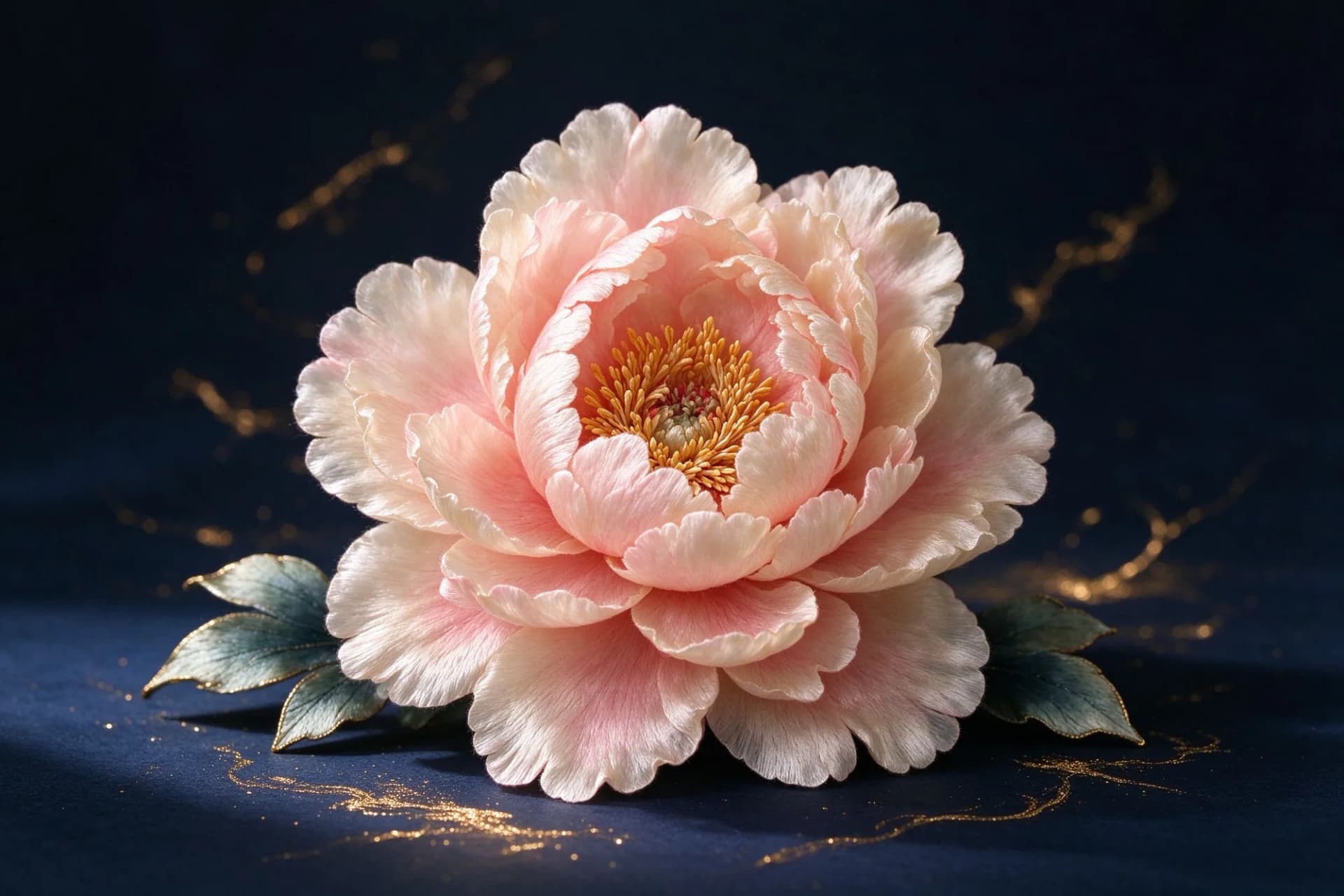
Peony Chanhua brooch symbolizing wealth and honor

03

Cultural meaning

Chinese flowers carry language: peony means wealth and honor, peach blossom means romance and spring, gardenia means purity and friendship.

Because silk flowers last, they are also tied to wishes for durability — in marriage, in friendship, in fortune. Wearing or gifting Chanhua is a quiet blessing.
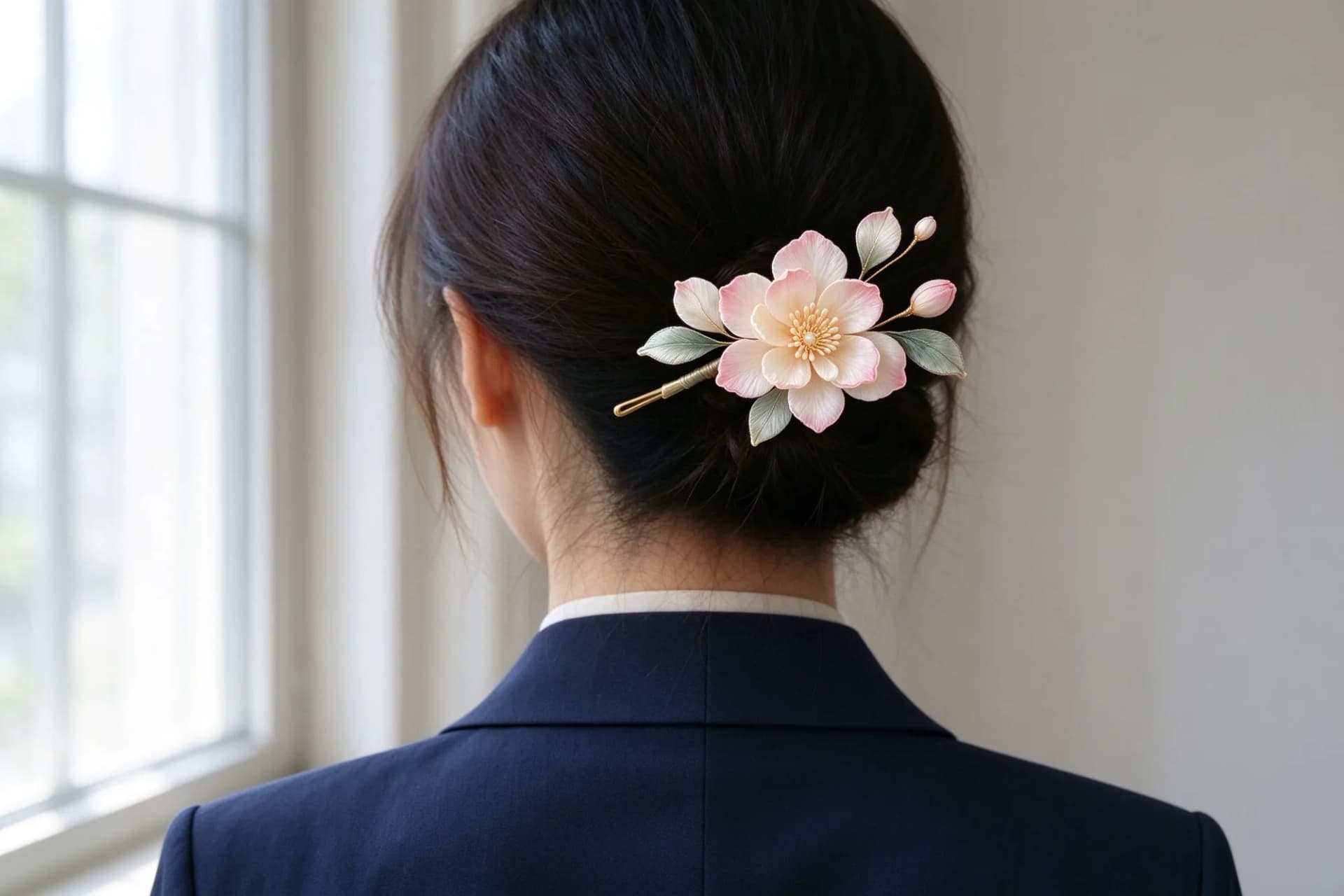
Modern styling with Chanhua silk flower hair accessories

04

Chanhua in modern accessories

Chanhua has left the costume box. Today you will see silk flowers on:

  • Hanfu hairpins and combs for festivals and weddings
  • Modern earrings and brooches with jeans or evening wear
  • DIY kits that teach the technique to hobbyists worldwide

Shop the finished collection or learn the art with a DIY kit.

05

Read next

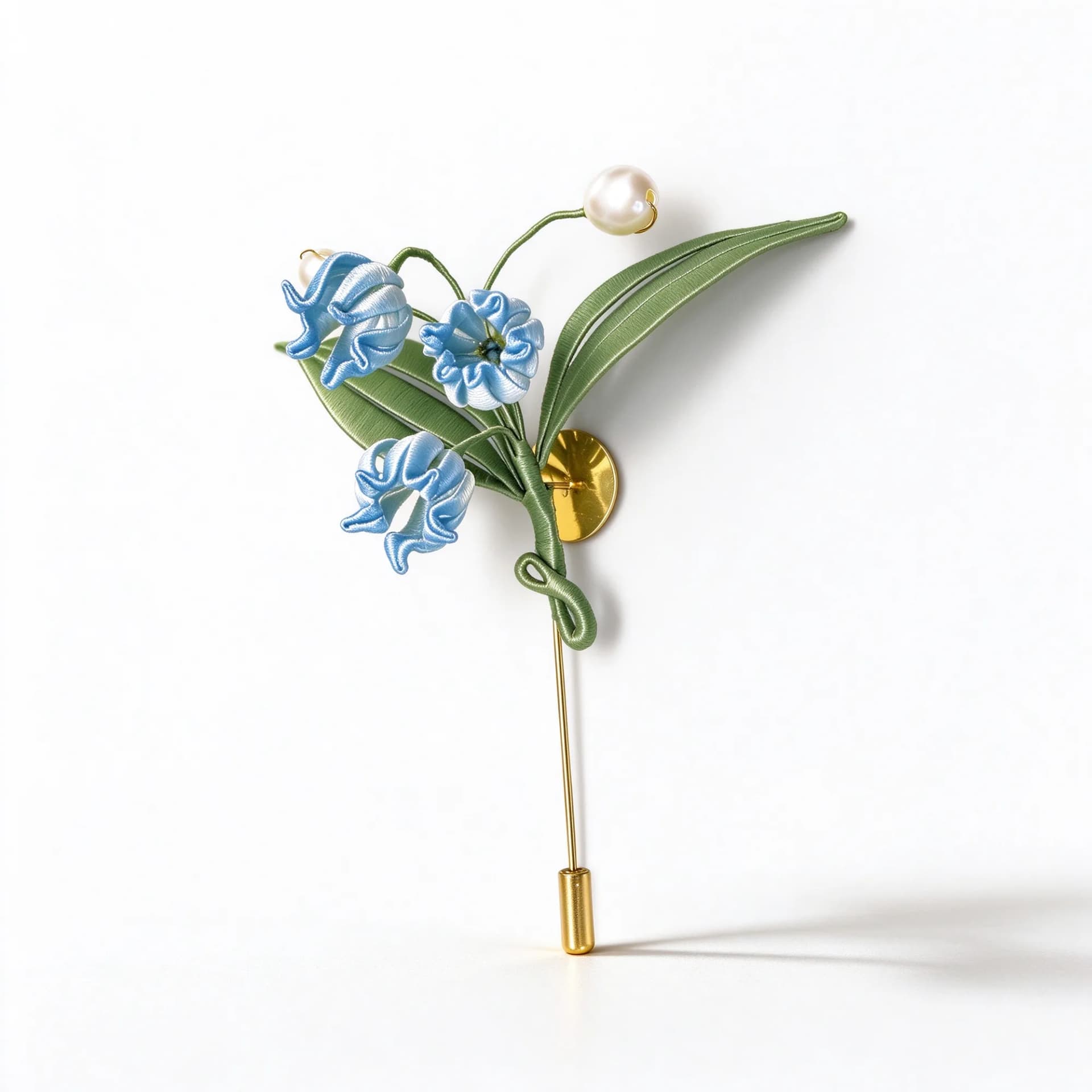
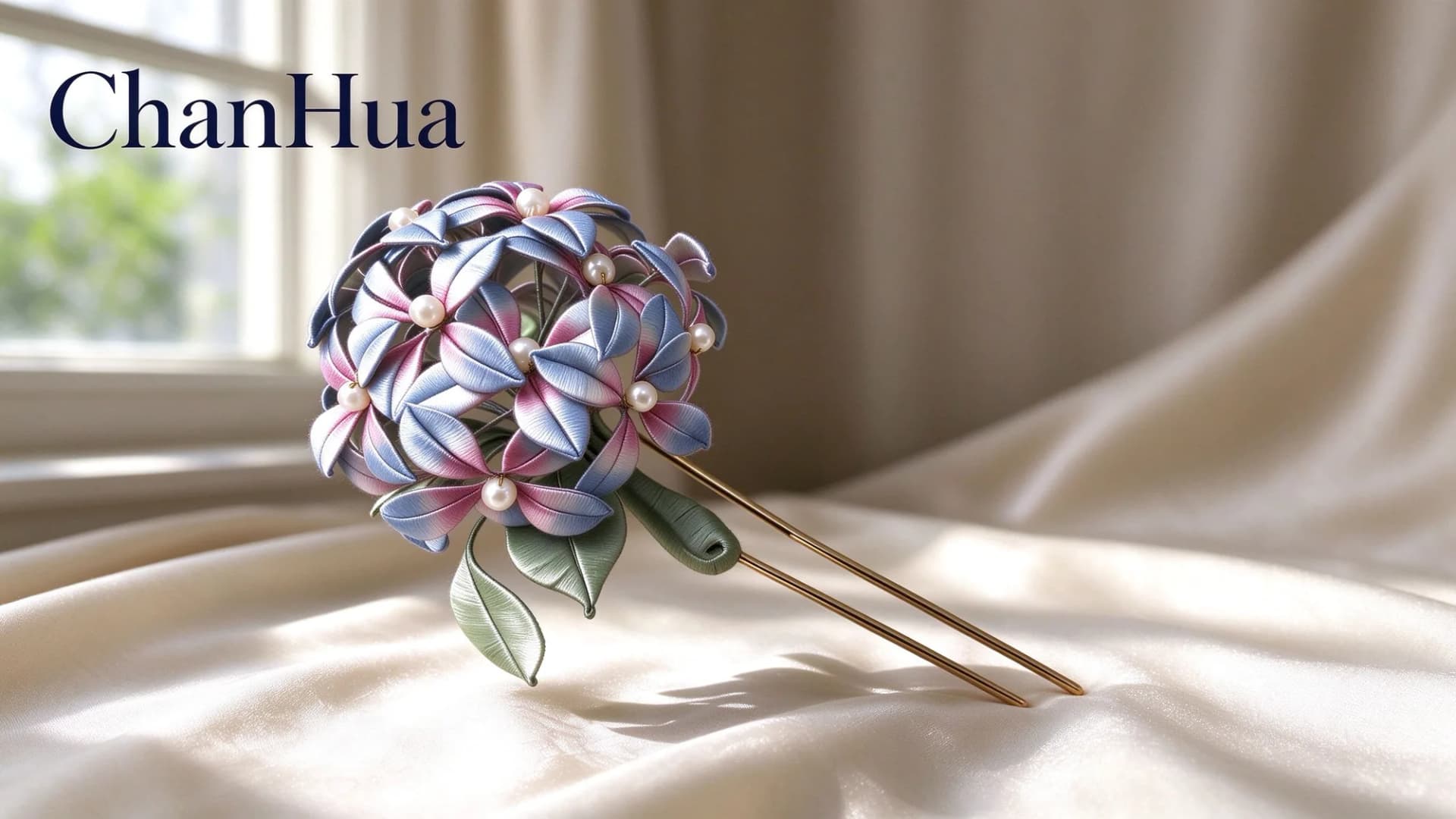
Ready to try it: the lily of the valley brooch kit and the trailing jasmine hairpin.

Frequently asked questions

What is Chanhua in English?

Chanhua (缠花) is usually translated as “wrapped flower” or described as Chinese silk flower art — silk thread wrapped over wire frames to make jewelry and ornaments.

Is Chanhua the same as silk embroidery?

No. Embroidery stitches thread onto fabric; Chanhua wraps thread around a wire skeleton to build a three-dimensional flower.

Can I learn Chanhua at home?

Yes — our starter kit includes silk floss, wire frames, tools, English instructions and video tutorials.
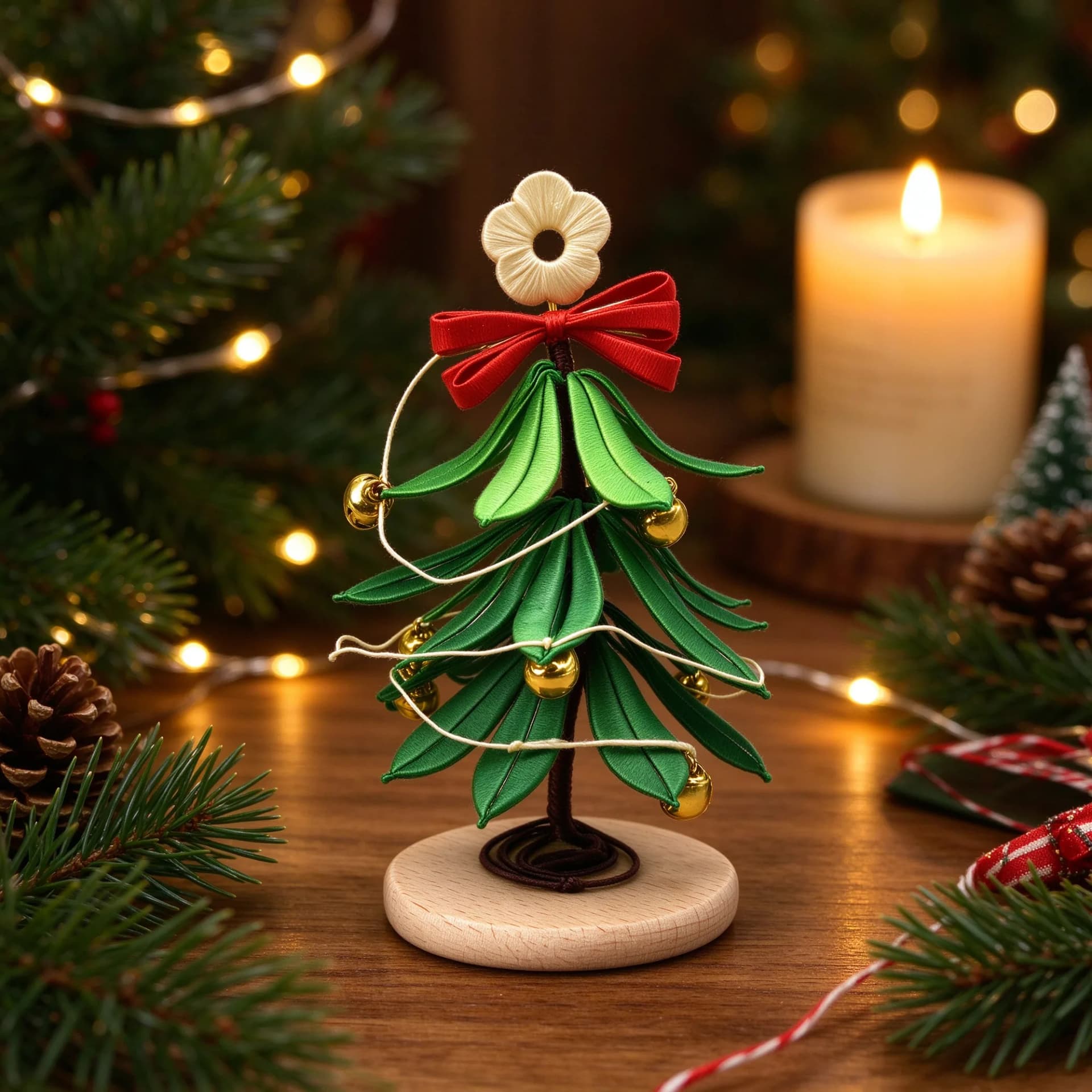
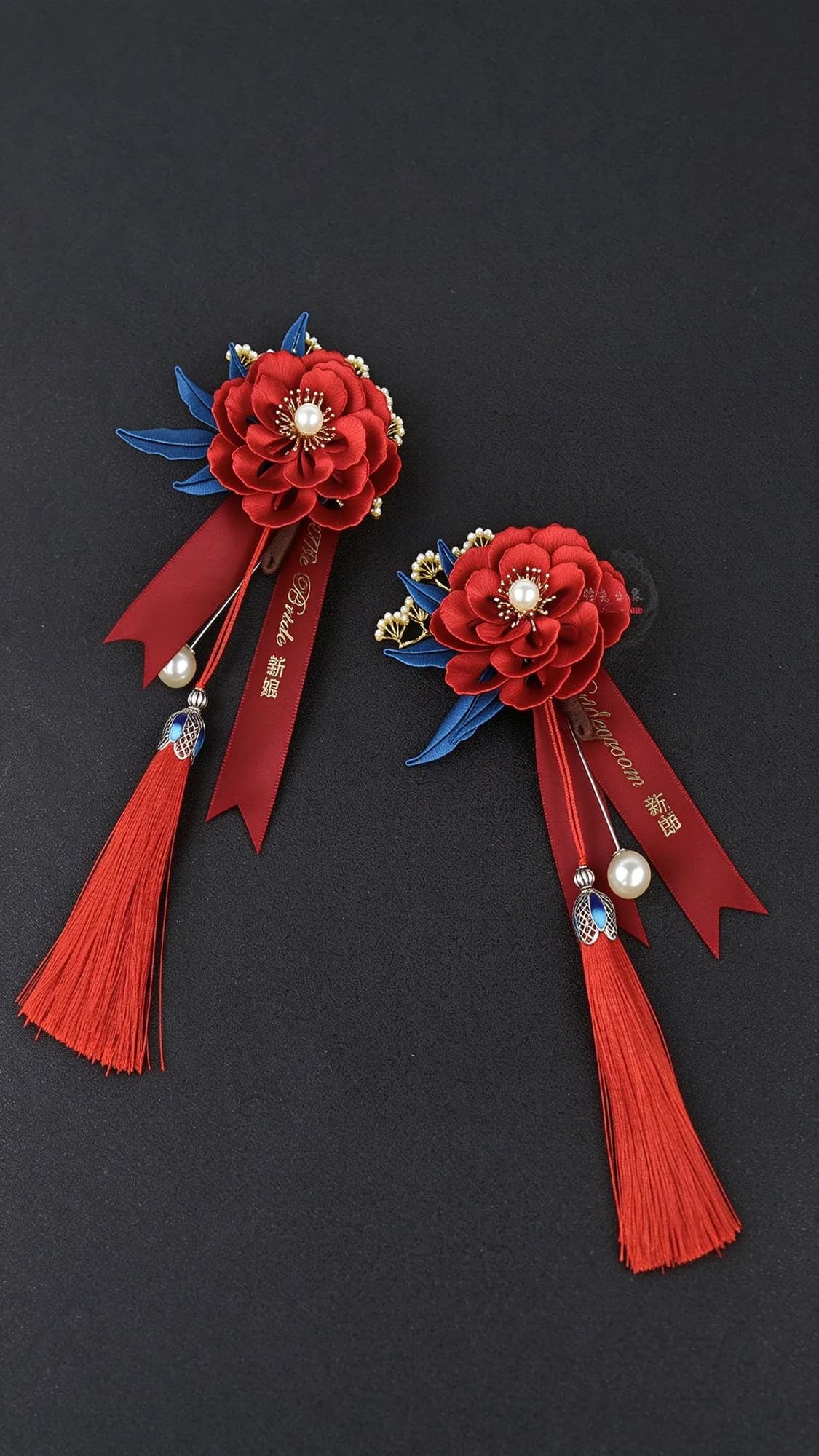
Shop Chanhua collection

See it in motion

How to Make a Chinese Silk Flower Hairpin | Chanhua Tutorial
Chanhua Making

How to Make a Chinese Silk Flower Hairpin | Chanhua Tutorial

A silk flower hairpin, made from the first cut to the finished pin — dyed silk floss wound strand by strand over a shaped copper-wire frame. The craft is chanhua (缠花), and nothing about it is printed or molded: every petal is wrapped by hand. ## What happens in this video The whole method, in order: cutting the paper templates and the wire, wrapping the silk evenly around both, sealing the thread ends with a flame, shaping each petal, and fixing the finished piece onto the hairpin base. ## What you need of your own Three things: scissors, a lighter, and a cylindrical pen. The lighter seals the thread ends so the silk does not fray, and the pen barrel is what you shape the petals around — the small brush that comes in a kit is too thin for it. ## How long it takes A first piece runs from four to seven hours for a compact design such as the hydrangea hairpin, up to six to nine hours for a long stem like the trailing jasmine. Most of that time is the winding. You can stop at any point — wound silk holds its shape. ## Why the technique is different Chanhua is three-dimensional. It is closer to making a tiny silk sculpture than to sewing or embroidery: the silk is not stitched into fabric, it is wrapped around a wire skeleton until a flower appears. The same method builds every design in the shop — the wire frames decide which flower you get. ## Read more - What chanhua actually is: /blog/what-is-chinese-silk-flower-art-chanhua - How the silk is wrapped around the wire: /blog/how-to-wrap-silk-thread-around-a-wire-frame Wound by hand in Guang'an, Sichuan, by Hong.

Making a Blue Phoenix Brooch in Silk — 25 Quiet Minutes (No Talking)
Chanhua Making

Making a Blue Phoenix Brooch in Silk — 25 Quiet Minutes (No Talking)

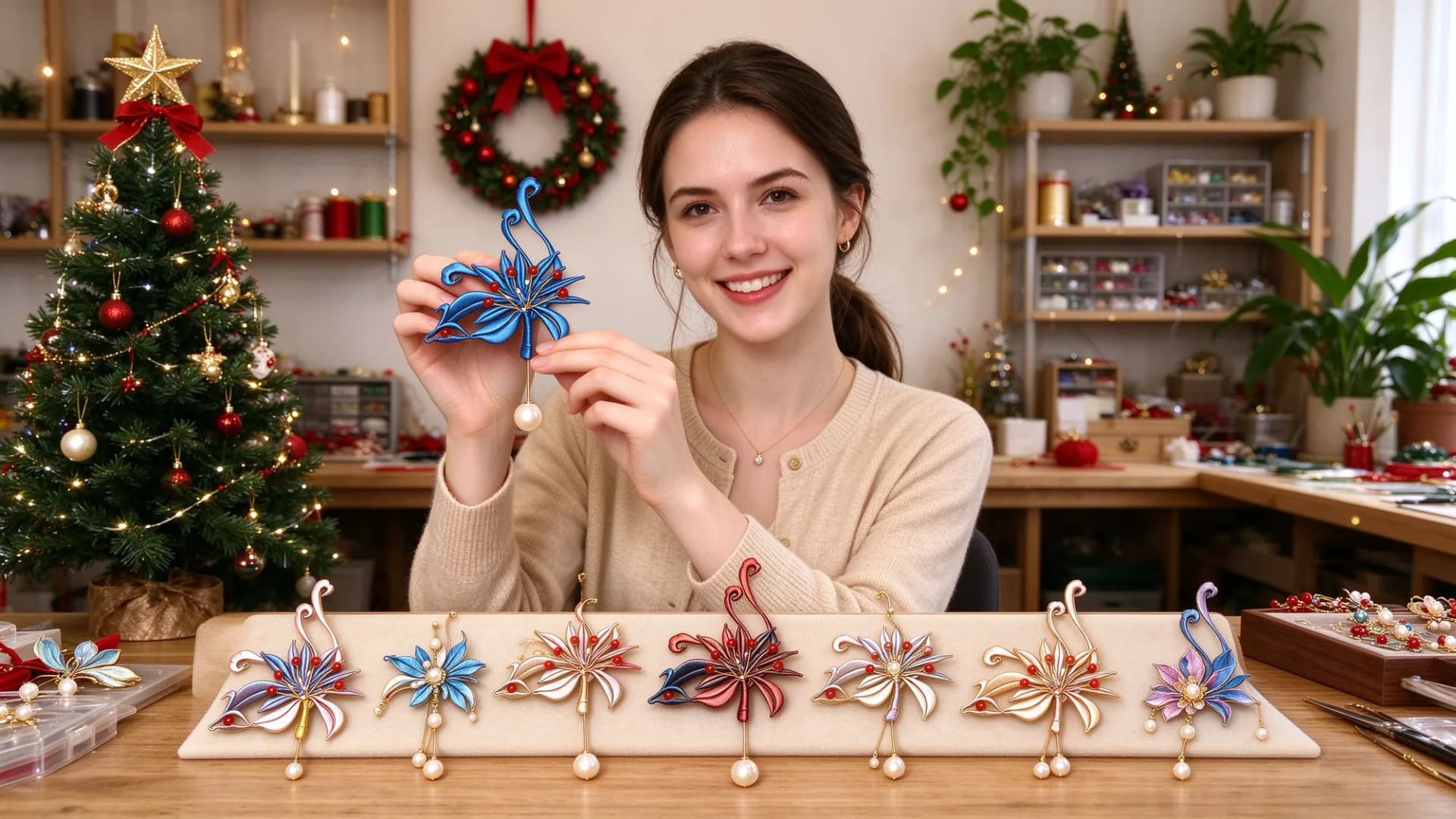
A blue phoenix brooch, wound from dyed silk floss over a copper-wire frame — twenty-five quiet minutes of chanhua, with no voice-over anywhere in it. What you hear is rain, quiet music, and the work itself: silk against wire, scissors, a lighter. There is nothing to follow and nothing to remember. Watch it while you study, while you work, or while you fall asleep. The brooch is built petal by petal and every petal is wrapped separately. Nothing here is printed and nothing is molded — the whole piece is wound by hand, and it takes six to nine hours. Wound in Guang'an, Sichuan, by Hong.

How to Make a Blue Trailing Jasmine Hairpin — Full Chanhua Tutorial
Chanhua Making

How to Make a Blue Trailing Jasmine Hairpin — Full Chanhua Tutorial

Making a blue trailing jasmine hairpin from start to finish — dyed silk floss wound over copper wire, the Chinese craft of chanhua. Fifteen centimeters of stem, and every bloom is wound separately. That is why one piece takes six to nine hours: there is no shortcut, and no machine does this. **You'll need:** scissors, a lighter and a cylindrical pen. The lighter seals the thread ends so the silk does not fray, and the pen barrel is what you shape the petals around. Everything used in this video is in our [blue trailing jasmine hairpin kit](/products/chanhua-trailing-jasmine-hairpin) — the same kit also covers the leaves in the [leaf tutorial](/videos/chanhua-leaf-tutorial). [Finished pieces](/products/chanhua-trailing-jasmine-hairpin) are available for anyone who would rather not make one.

Why collectors trust us