What Is Intangible Cultural Heritage? A Craft Lover's Guide
What is intangible cultural heritage?
Intangible cultural heritage is the knowledge and skill a community passes down rather than the objects it owns. It covers crafts, music, dance, festivals, foodways and oral traditions — anything that lives in people's hands and memory. A building is tangible heritage; knowing how to build it is intangible.
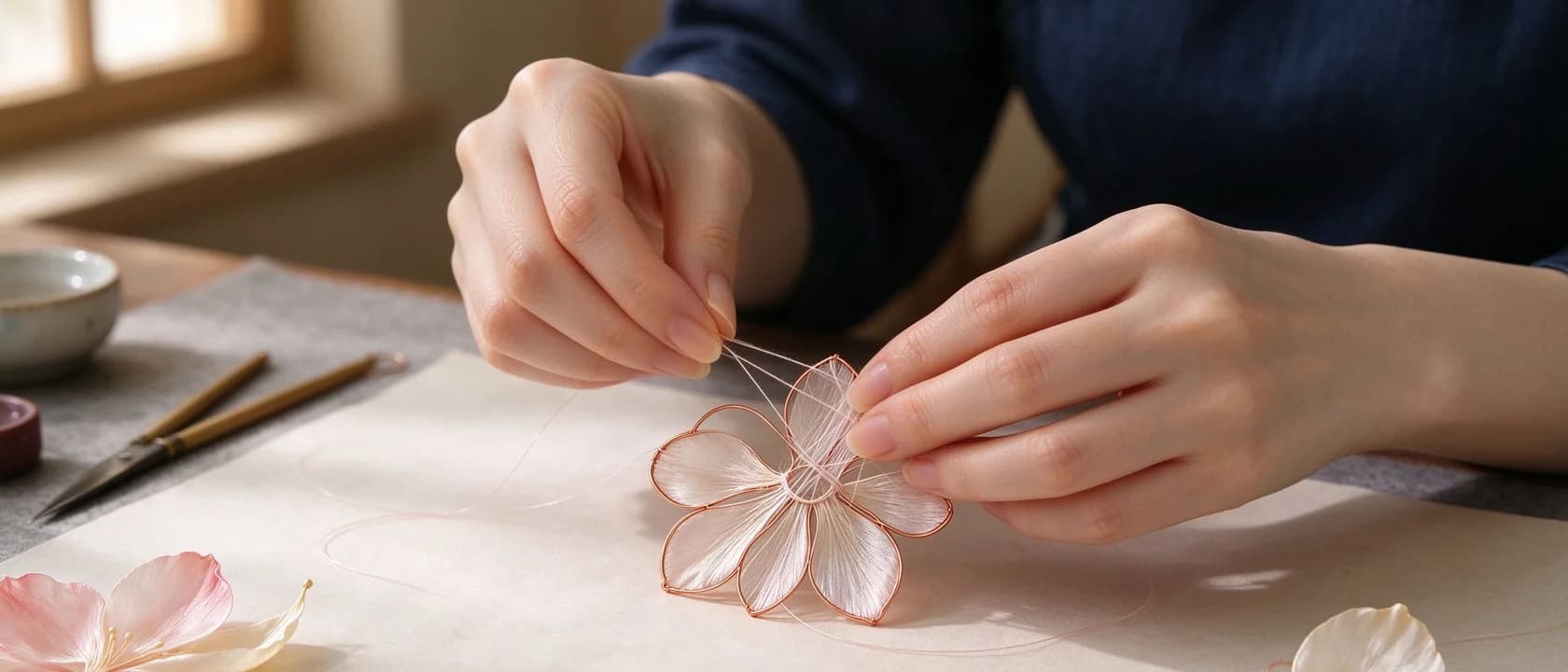
That distinction is the whole point. A monument can be preserved with no one involved. A craft cannot: if nobody is still winding the silk, the knowledge is gone even if the finished flowers survive in a display case.
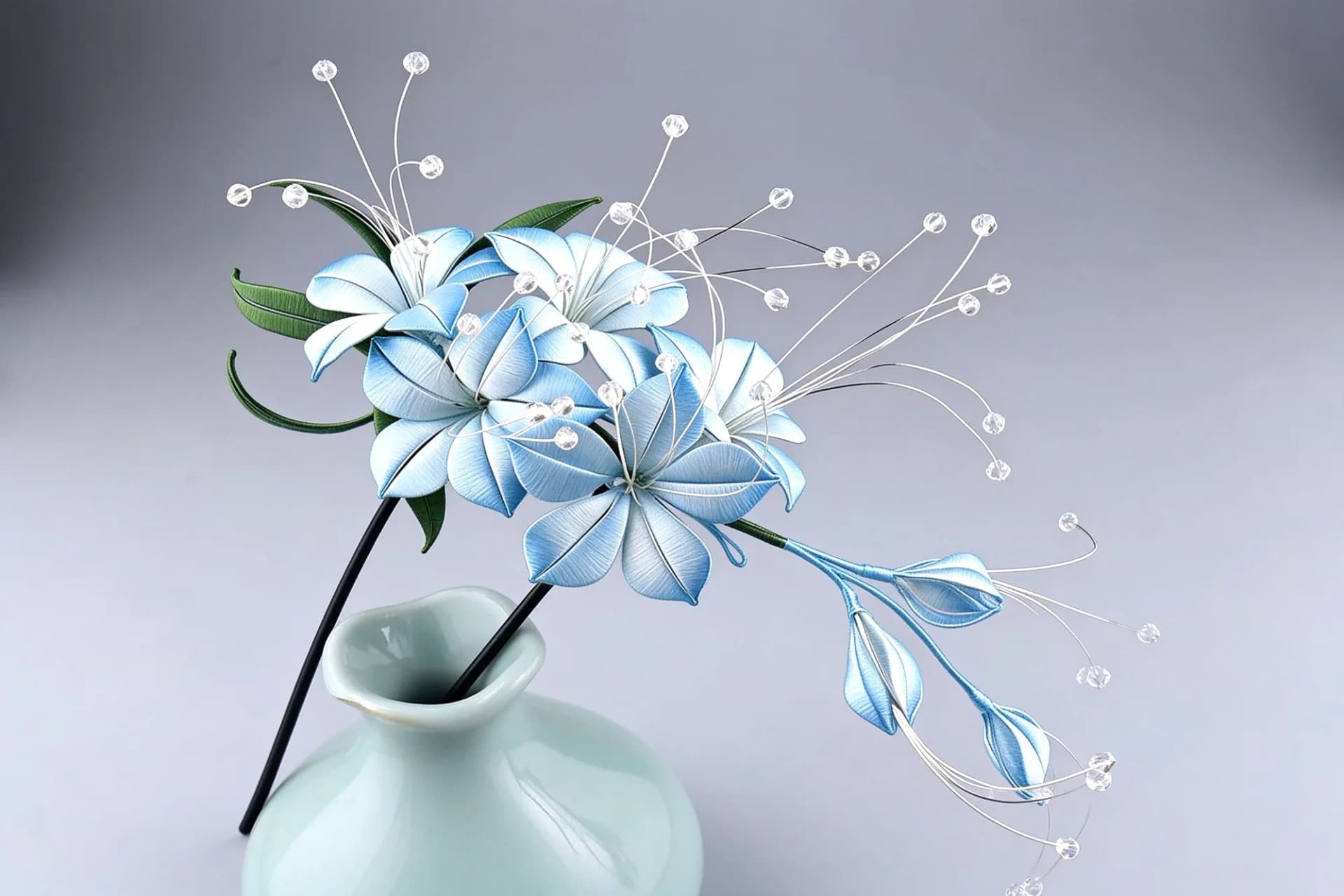
Our own work sits inside this idea, which is why the studio is built around the technique rather than around a pattern book. If you want the concrete example first, what chanhua is shows the craft being practised.
Where does the term come from?
UNESCO adopted the Convention for the Safeguarding of the Intangible Cultural Heritage in 2003, and it came into force in 2006. China ratified it in 2004 and now holds more entries on the UNESCO lists than any other country.
The word "safeguarding" was chosen deliberately. The convention is not about freezing traditions in place — it is about keeping them living, which means allowing them to change as the people who practise them change.
What are the five domains?
UNESCO groups intangible heritage into five areas:
| Domain | Examples |
|---|---|
| Oral traditions and expressions | Proverbs, storytelling, regional dialects |
| Performing arts | Music, dance, theatre, opera |
| Social practices, rituals and festivals | New Year customs, weddings, tea ceremony |
| Knowledge and practices about nature | Traditional medicine, farming calendars, food preservation |
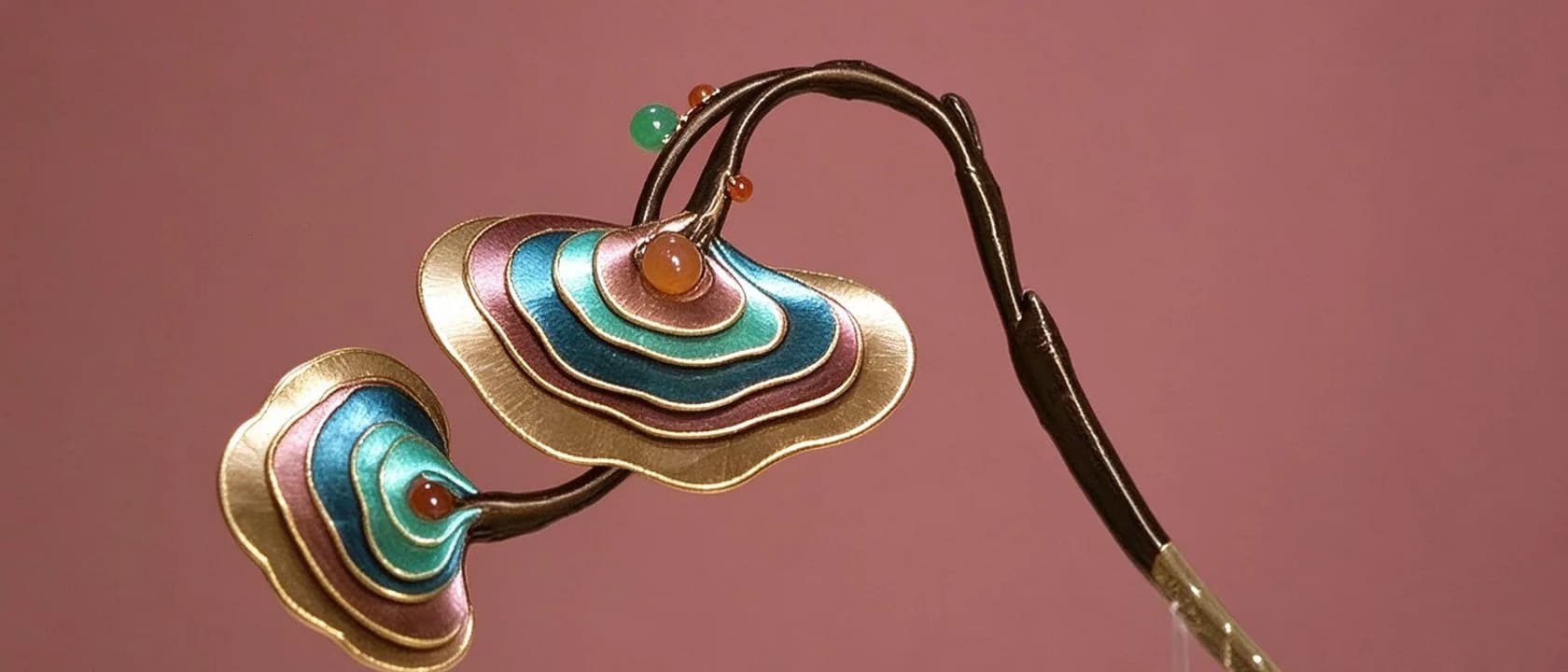
| Traditional craftsmanship | Silk flower making, weaving, inlay, metalwork |
Chanhua, ronghua and mother-of-pearl inlay all sit in the fifth domain. They are also the domain most directly affected by shopping habits, because the other four are usually funded by communities, governments or audiences, while a craft is funded by buyers.
How is it different from tangible heritage?
| Tangible heritage | Intangible heritage | |
|---|---|---|
| What it is | Buildings, monuments, artefacts | Skills, practices, knowledge |
| Where it lives | In the object | In people |
| How it is preserved | Conservation, restoration | Teaching, practising, transmitting |
| What threatens it | Weather, war, neglect | Loss of demand, loss of teachers |
| What success looks like | The object survives | The practice continues into new hands |
Why do crafts disappear?
Two reasons, and neither is mysterious:
The labour is real. A chanhua hairpin is four to six hours of hand work; a graduation cap is sixteen to twenty. Machine-made flowers cost a fraction of that, and they look acceptable in a photograph.
The demand moved. Crafts like silk flower making were supported by everyday traditional dress. When that stopped being worn daily, the funding for those hours went with it. It is not that people stopped caring about the craft — it is that nobody was paying for the time.
That is why the recent hanfu revival matters more than it looks. New people wearing the clothes created new buyers for the ornaments, and buyers are what allow a workshop to train apprentices instead of closing.
How does a craft come back?
A pattern repeats across crafts that have recovered:
- A new audience appears — often through dress, film, or social media.
- A few makers keep the technique alive long enough to meet that demand.
- Teaching becomes viable, so the knowledge stops depending on one person.
- Materials get easier to source, which lowers the barrier to starting.
- Buyers pay for the hours, which is what makes steps 1 to 4 possible.
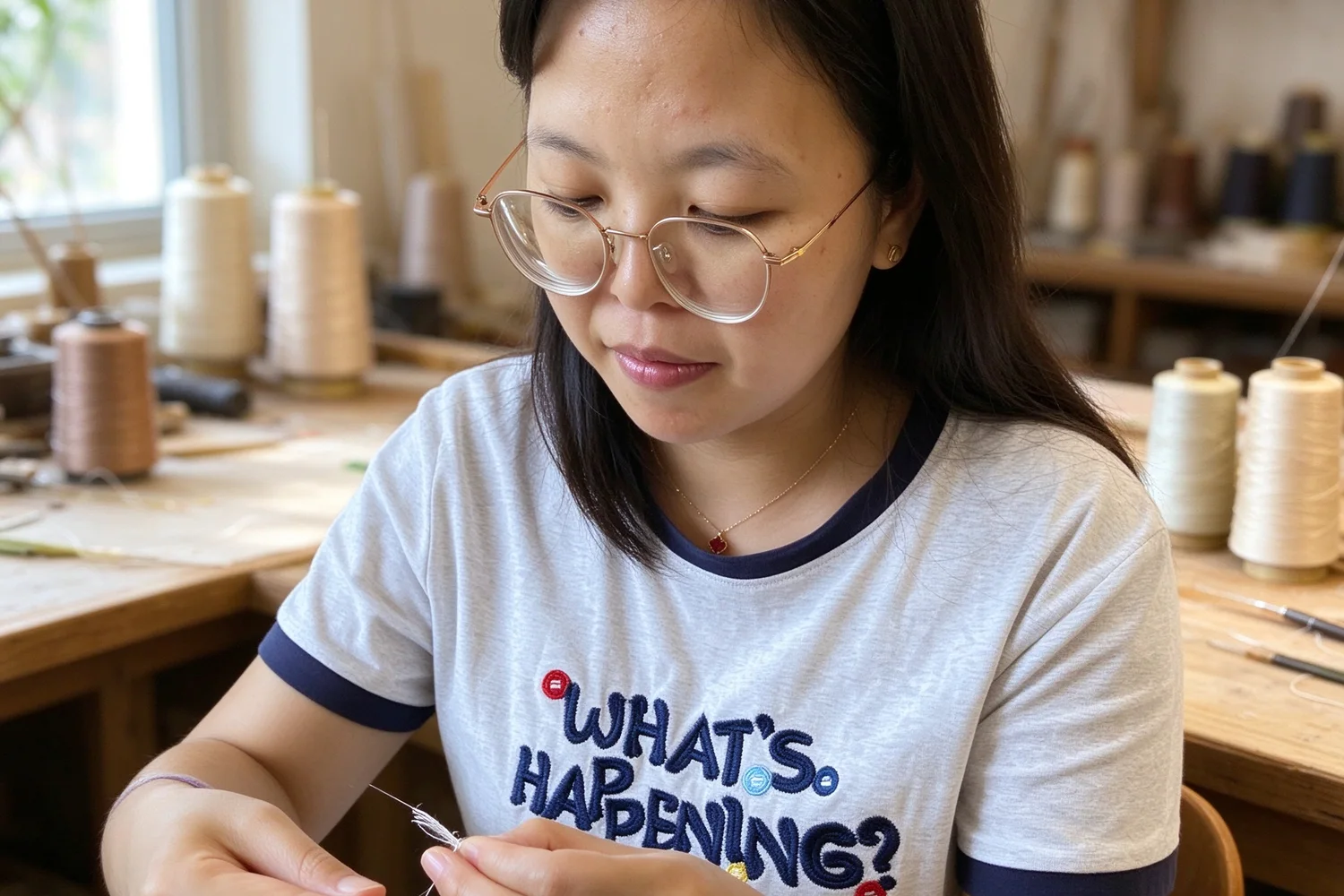
Step five is the one most often skipped in heritage writing, and it is the one that decides whether the rest happens.
How can a buyer support a craft?
| Do | Why it helps |
|---|---|
| Buy from makers who name the technique | The craft becomes the selling point, not a decorative label |
| Learn the technique yourself | Every person who can wind silk is one more carrier of it |
| Choose pieces that get worn | A craft survives on repeat wear, not on one ceremonial purchase |
| Ask who made it | Makers who are visible can build a reputation and charge properly |
| Accept the price of hours | Hand work cannot compete with machine work on price, only on value |
The single most useful thing a buyer can do is wear the piece. A craft that produces objects nobody uses becomes a museum subject; a craft whose objects are seen in daily life recruits the next person who wants to learn it.
Where to go next
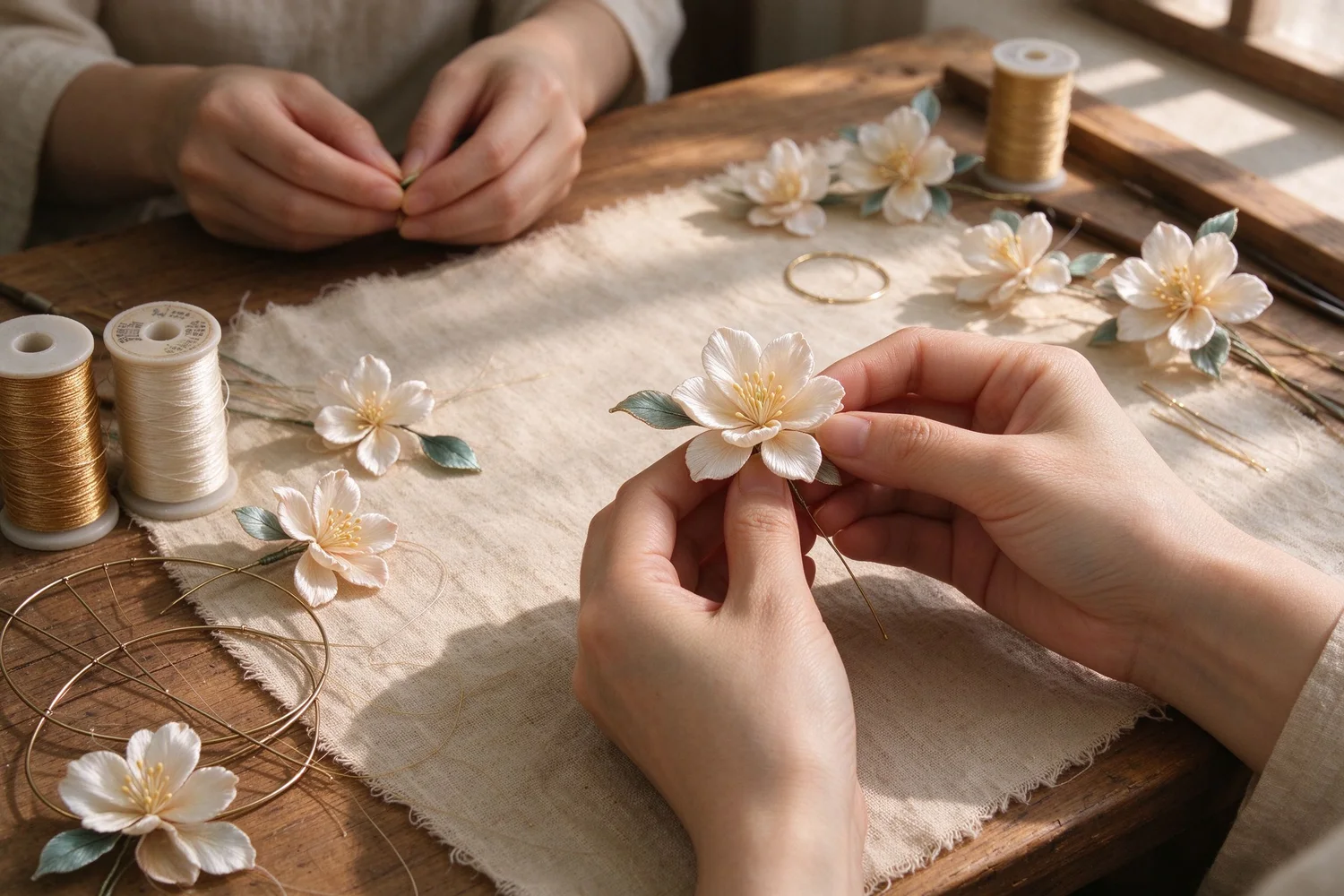
If you would like to try the technique rather than read about it, the Hydrangea Hairpin Kit is the shortest introduction and takes about four hours. The Lily of the Valley Brooch Kit is the same craft in a shape you can wear on a jacket. For the specific traditions this studio works in, start with what chanhua is and what ronghua is, and the Chinese intangible heritage guide ties them together.
Frequently asked questions
What is intangible cultural heritage in simple terms?
It is the knowledge, skill and practice that a community passes down between generations. A monument is tangible heritage; the craft of making something out of silk is intangible heritage, because it lives in people's hands rather than in an object.
What are the five domains of intangible heritage?
UNESCO groups it into oral traditions and expressions, performing arts, social practices and festivals, knowledge and practices about nature, and traditional craftsmanship. Silk flower making sits in the last of these.
How is intangible heritage different from a museum artefact?
An artefact can be preserved in a case with no one involved. A craft cannot: if nobody is still winding silk, the knowledge is gone even if the finished flowers survive. That is why safeguarding programmes focus on teaching people rather than storing objects.
Does buying handmade items actually help preserve a craft?
It is one of the few things that reliably does. Heritage status is recognition; income is what lets a maker keep working instead of taking another job. A craft with buyers can train apprentices; a craft with only an award usually cannot.
Why do so many traditional crafts disappear?
Because the labour is real and the market is small. Chanhua is measured in hours per piece, and machine-made flowers cost a fraction of that, so when traditional dress stopped being everyday clothing the demand that funded those hours went away.