Wedding Boutonnieres and Corsages: A Handmade Chinese Alternative
What are wedding boutonnieres and corsages?
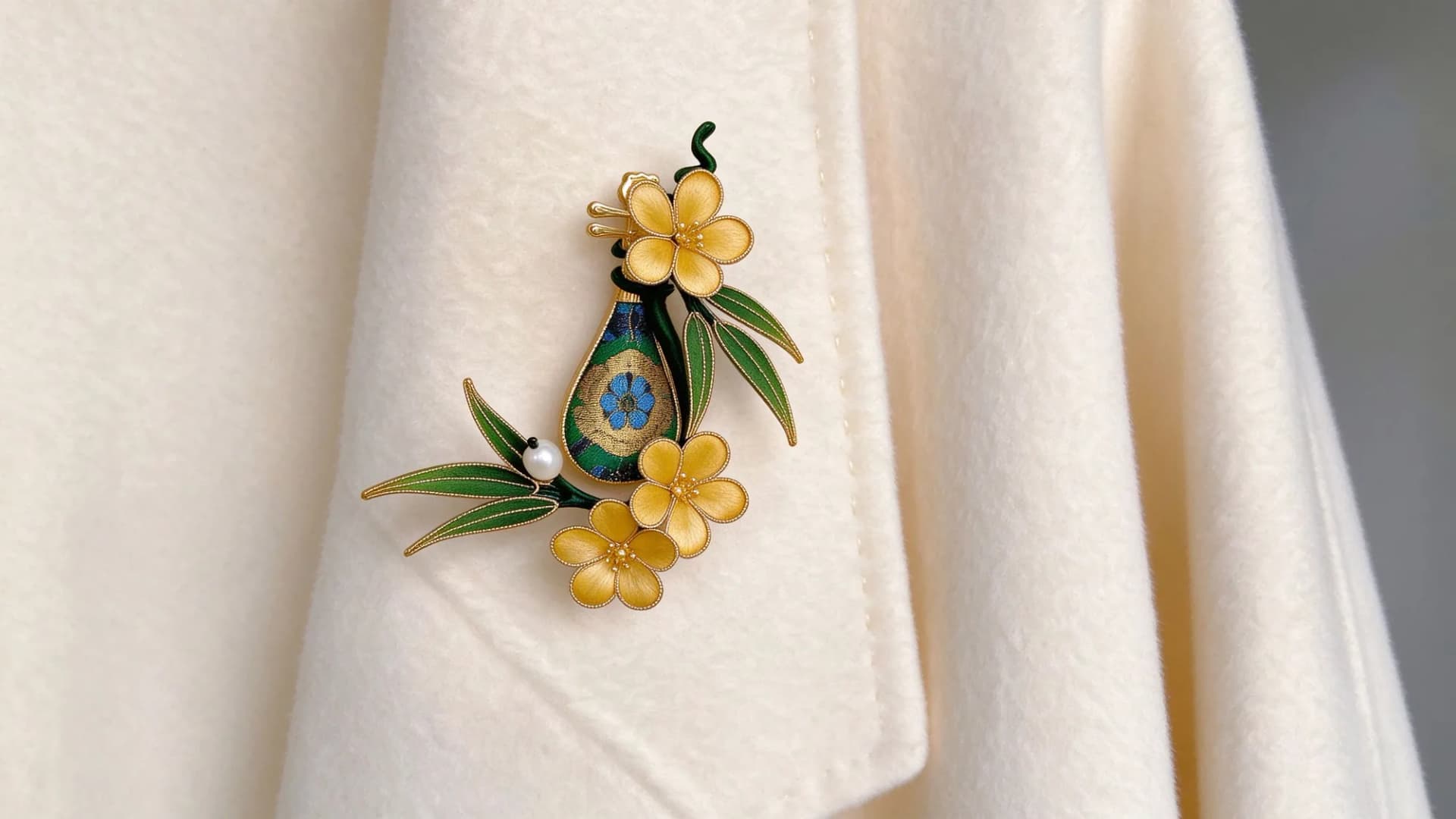
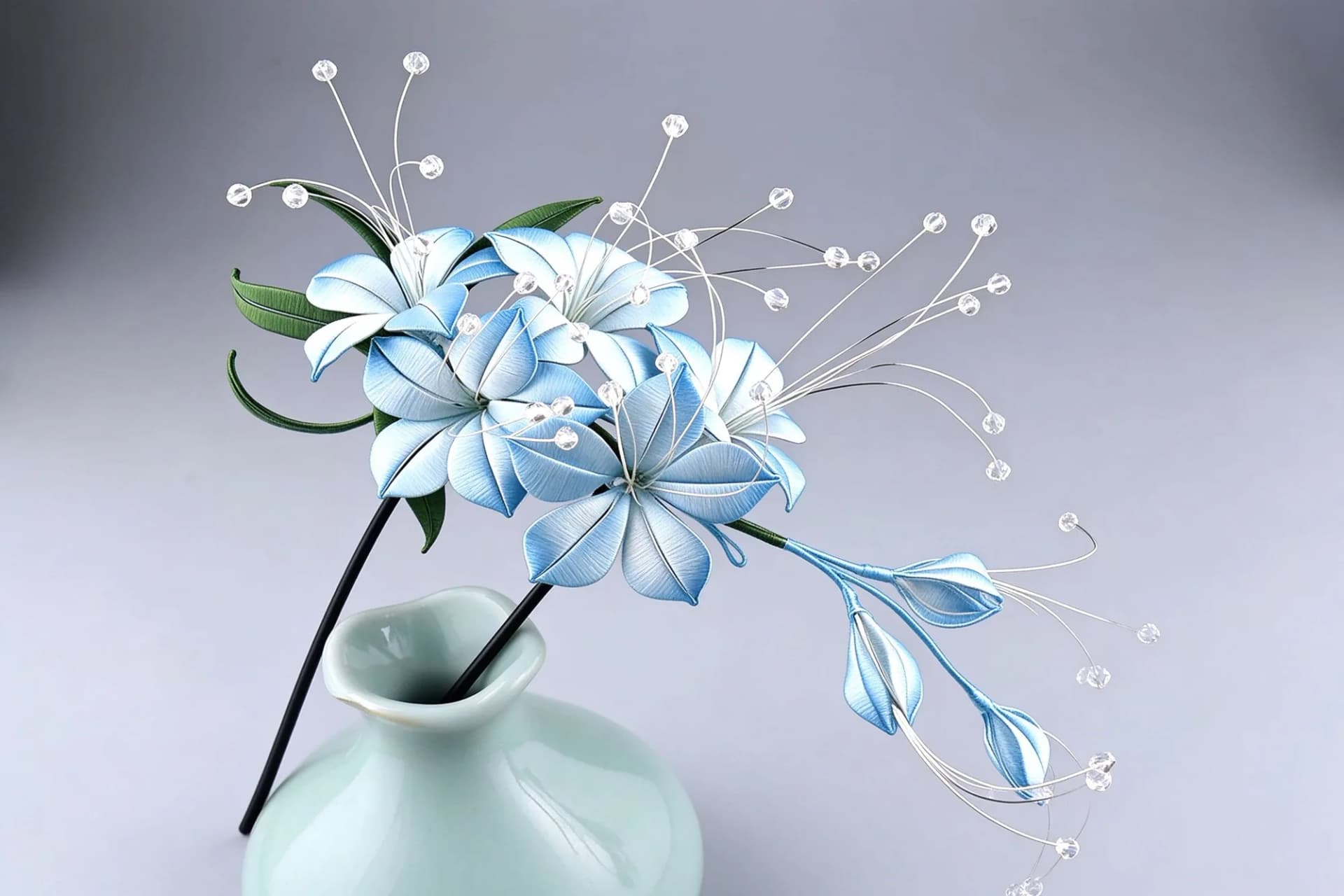
A boutonniere is the flower a groom wears on his suit lapel, usually through the buttonhole. A corsage is the flower a bride wears pinned to her dress or on her wrist. They are the same idea worn in two places, and at a Chinese wedding they are usually made as a matching pair in red — hand-wound silk rather than fresh stems, so the pair still matches the morning after.
Worth knowing before you shop: English uses two words for these and shops often list only one. If you search for a boutonniere you will find men's lapel flowers; if you search corsage you will find the bridal version. A pair needs both.
Why does a Chinese wedding wear them in red?
Because red is the wedding color, and it is not a subtle choice.
| Color | Chinese reading | Western reading |
|---|---|---|
| Red | Joy, celebration, good fortune — the bridal color | Romance, Christmas, bold |
| Gold | Wealth and status | Luxury |
| Pink | Romance, and increasingly popular for modern brides | Feminine |
| White | Mourning | Bridal |
That last row is the one that catches Western buyers out. A white corsage reads as bridal in Europe and America; in a Chinese context white is the color of funerals. If a guest is wearing white to a Chinese wedding, that is a choice someone has thought about.
Red, or red with gold, is the pairing a Chinese couple will recognise instantly — and it is the one that photographs well against both a suit and a red dress.
The wider context is in the Chinese intangible heritage guide, which explains how the ornaments of a Chinese wedding fit together as a set.
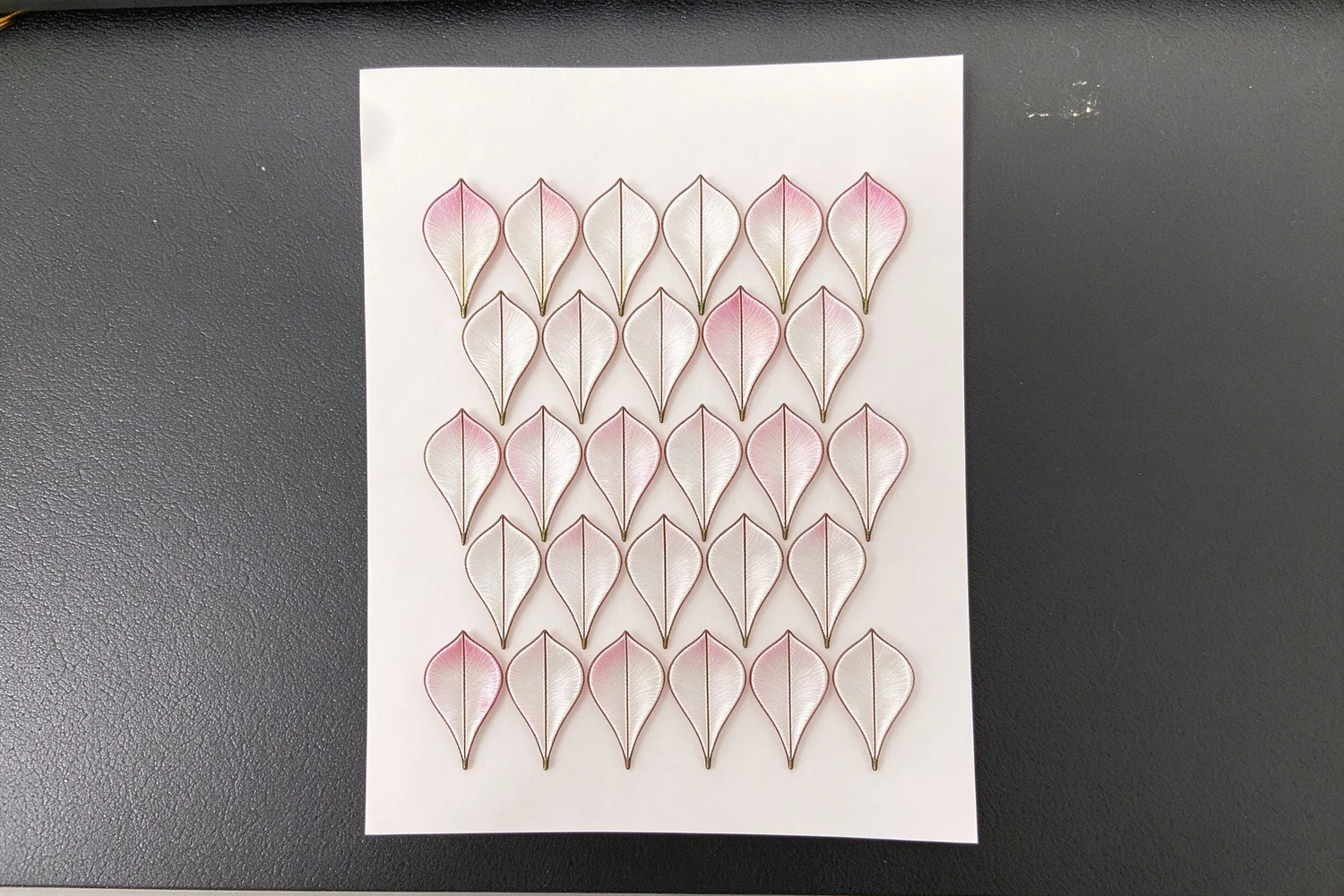
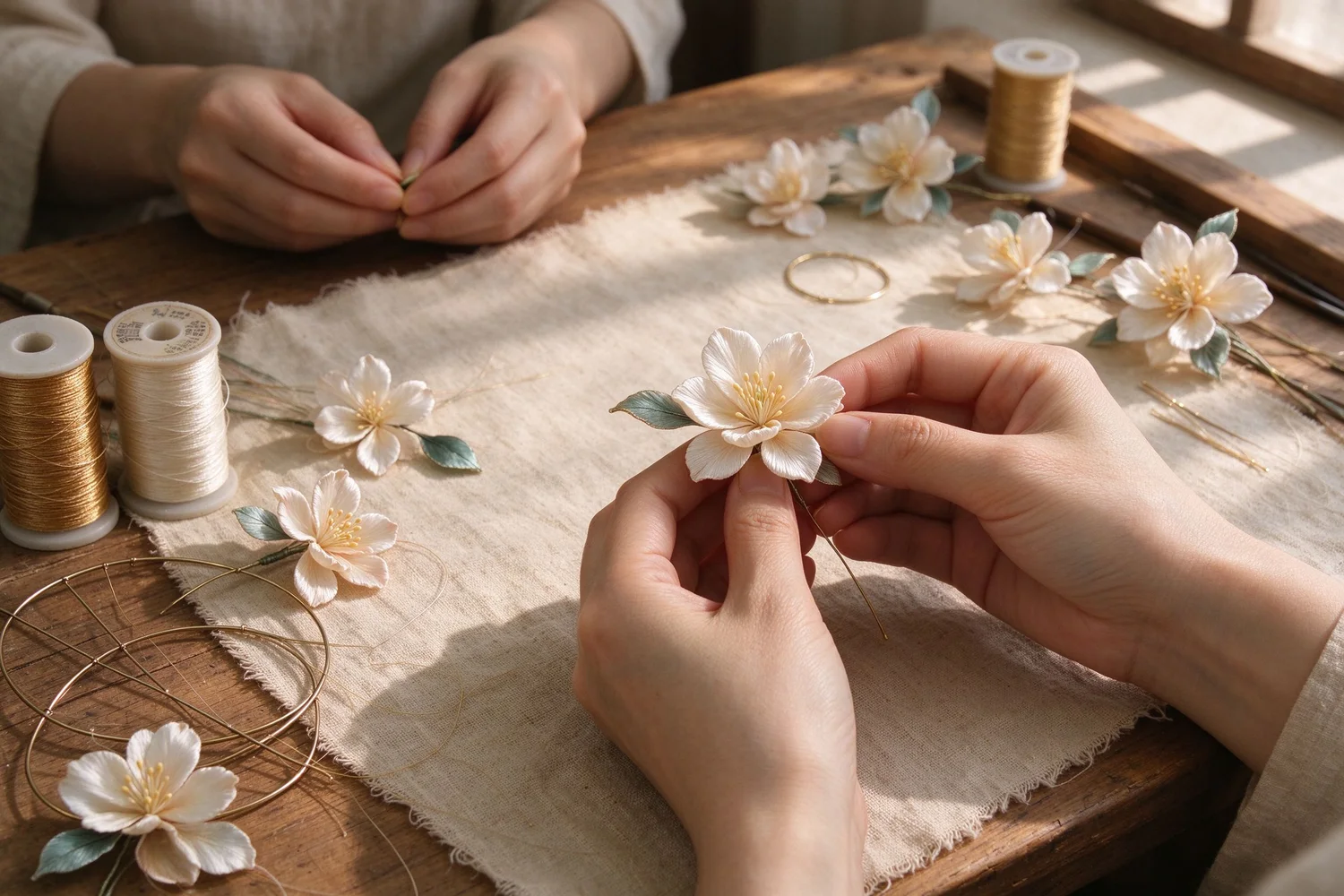
How do hand-wound silk flowers compare with fresh?
| Fresh flowers | Hand-wound silk (chanhua) | |
|---|---|---|
| Look by evening | Wilting | Unchanged |
| Next morning | Brown | Unchanged |
| Matching pair | Depends on the florist's stock | Made from the same thread, so they match exactly |
| Color | Limited to what is in season | Dyed to any color, including one that matches a dress |
| Afterwards | Thrown away | Kept in a box |
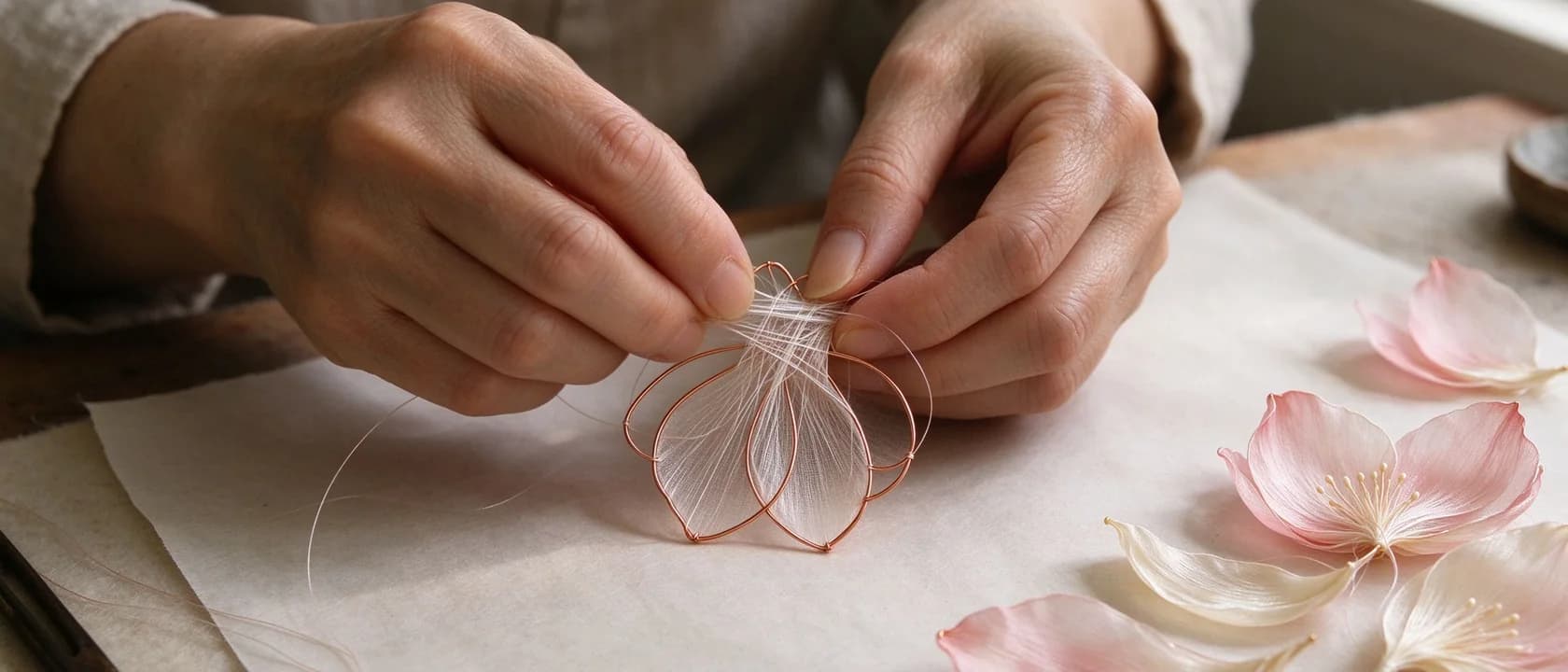
| Made in | Days | Weeks, because every petal is wound by hand |
The color point is the one couples underrate. A fresh corsage is limited by what the florist has on the day; a wound-silk one is built from thread that was dyed first, so it can be matched to a swatch of the dress rather than the other way round.
How are they worn?
The boutonniere. Pinned through or just above the buttonhole on the left lapel, stem pointing down. On a suit with no functioning buttonhole it is pinned directly to the lapel, angled the same way.
The corsage. Pinned to the dress at the chest, high enough to sit above the neckline and far enough from the shoulder that a handbag strap does not catch it. Wrist corsages are the alternative for dresses with delicate fabric, and they are the safer choice if the gown has no structure to pin into.
Both should be small enough to survive being hugged. This is the practical reason wedding pieces are usually made tighter and more firmly bound than everyday ones.
What should you tell the maker?
Four things, and if you can answer them the piece will be right:
- The color, ideally with a photograph of the fabric in daylight.
- Where it will be worn — lapel, chest, wrist — because that decides the fitting.
- The size of the wearers, in the loosest sense: a small frame looks lost under a large flower.
- The date, so you know whether there is time to make a pair rather than one piece.
How far ahead should you order?
| Before the wedding | What to do |
|---|---|
| 4–6 months | Decide the palette; ask what can be made |
| 3 months | Order the pair, with a fabric swatch |
| 8 weeks | Final fitting with the real pieces |
| 4 weeks | Last comfortable window |
| Under 2 weeks | Not really possible when every petal is wound by hand |
Everything in our studio is wound by hand in Guang'an, Sichuan. The wedding pair is not listed as a standard product yet — the flowers and colors we currently make are in the shop, and the kits with English tutorials are in the Chanhua DIY collection. If you have a date and a color, ask through the contact page and we will tell you honestly whether it can be made in time.
What pairs with them?
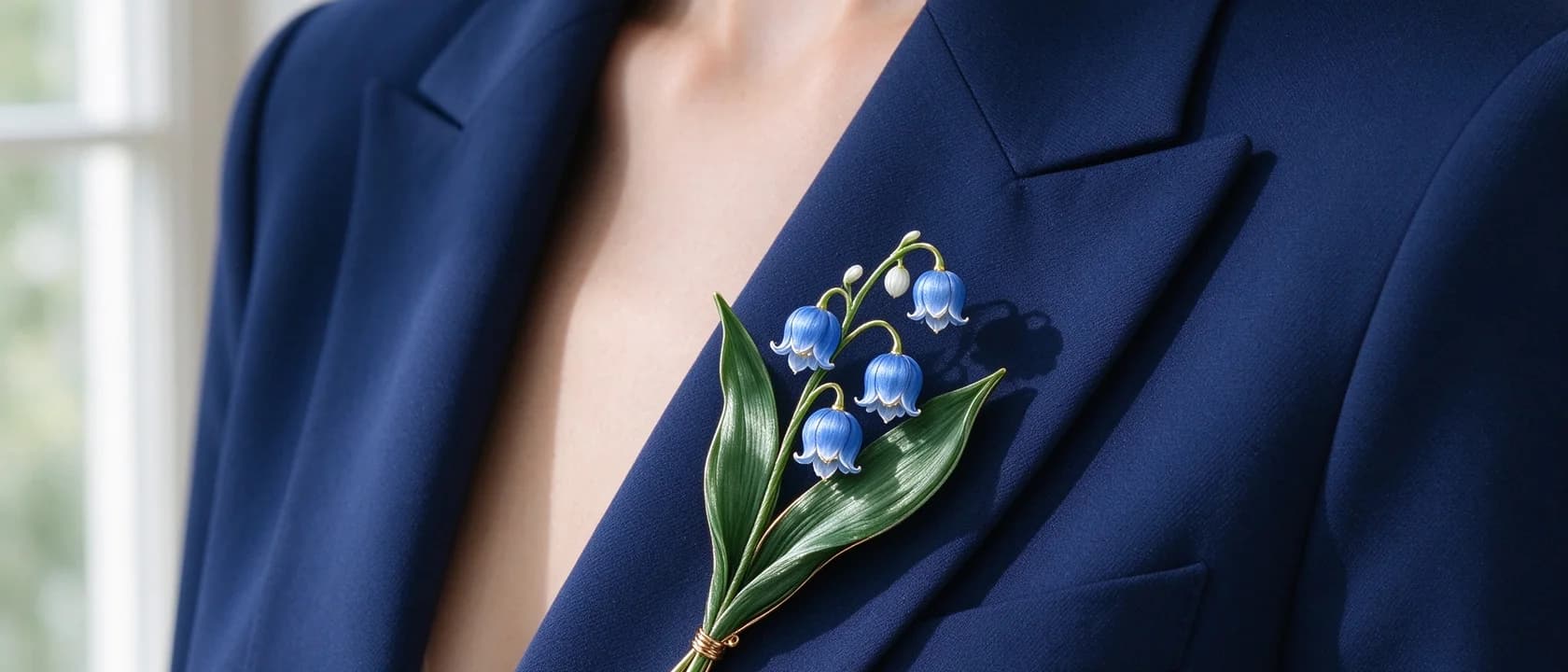
A wedding set is usually three things, not one: the couple's flowers, the bride's hair, and something for the guests to notice. The Chinese wedding hair accessory guide covers the hair side, and Chinese flower symbolism in jewelry explains what each flower means — which matters more at a wedding than at any other occasion. The Blue Phoenix Brooch carries the Fenghuang, the traditional blessing motif, and the Lily of the Valley Brooch is the smallest finished piece if you want something for a small frame.
Frequently asked questions
What is the difference between a boutonniere and a corsage?
A boutonniere is the flower a man wears on a suit lapel, usually through the buttonhole. A corsage is the flower a woman wears pinned to a dress or on the wrist. They are the same idea worn differently, which is why English uses two words.
Why do Chinese weddings wear red?
Red is the traditional celebratory colour in Chinese culture, associated with joy and good fortune rather than with romance in the Western sense. A Chinese wedding pair is normally red or red and gold.
Do silk flowers look cheap next to fresh ones?
Hand-wound silk does not, because it is a craft object rather than an imitation. The petal is built petal by petal over wire, and up close it reads as jewellery. Cheap printed fabric flowers are a different thing entirely.
How far ahead should I order wedding flowers?
Three months for a matching pair, so you have them for the final fitting and any photographs. Two months is workable; less than a month is risky because everything is made by hand.
Can they be kept after the wedding?
That is the point. A fresh boutonniere is brown by the next morning; a silk one goes back in its box and can be displayed or worn again on an anniversary.