The Symbolism of Peonies, Lotuses and Plum Blossoms in Chinese Jewelry
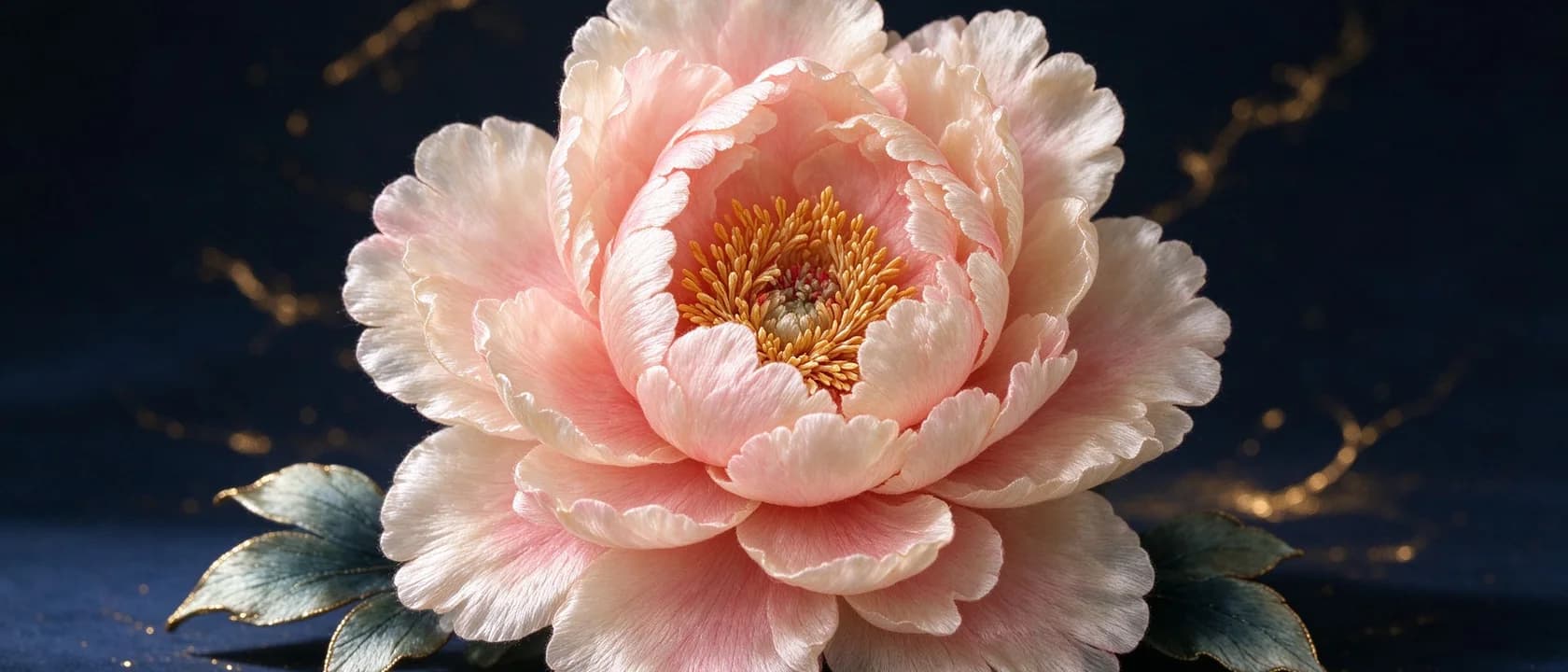
What do flowers mean in Chinese jewelry?
In Chinese jewelry a flower is a sentence, not a pattern. The peony says prosperity, the lotus says purity, the plum blossom says endurance, and osmanthus says a noble future. Choosing the bloom is choosing the message, which is why traditional pieces are rarely assembled at random.
This matters in practice when you buy or make a silk flower: the flower you pick is the wish you are sending. If the craft itself is new to you, what chanhua is explains how the flowers are made before we get to what they mean.
What does each flower mean?
| Flower | Chinese | Meaning | Given for |
|---|---|---|---|
| Peony | 牡丹 | Wealth, honour, prosperity | Weddings, promotions, new homes |
| Lotus | 莲 / 荷 | Purity, integrity; two on one stem means a devoted couple | Graduations, fresh starts, weddings |
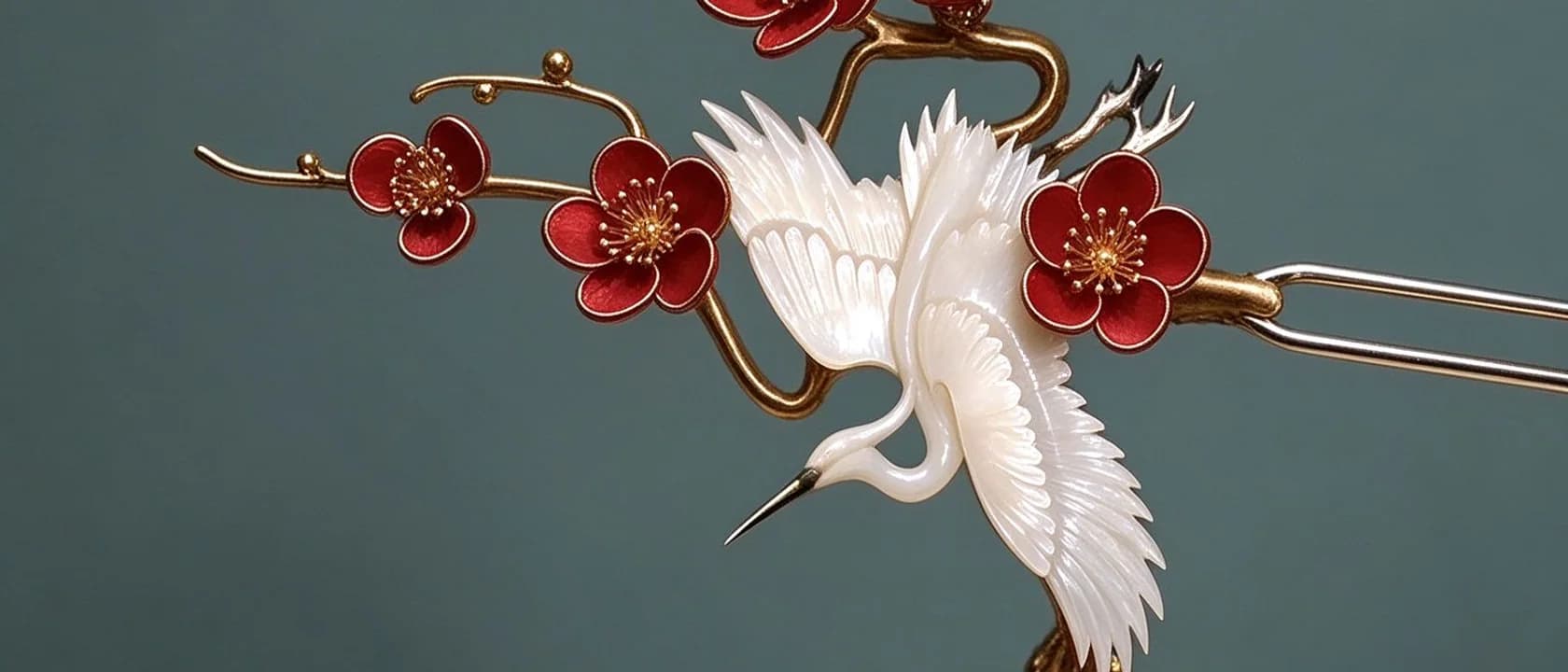
| Plum blossom | 梅花 | Endurance through hardship | Encouragement, recovery, new ventures |
| Osmanthus | 桂花 | Nobility, a distinguished future | Exams, careers, a child's milestone |
| Chrysanthemum | 菊 | Longevity, autumn, the quiet life | Birthdays of older relatives |
| Orchid | 兰 | Refinement, friendship, integrity | Friends, scholars, a subtle gift |
| Pomegranate | 石榴 | Many seeds, therefore many children | Weddings, births |
| Peach blossom | 桃花 | Romance and attraction | Courtship, Valentine's gifts |
Two groupings come up constantly and are worth recognising. The Three Friends of Winter are pine, bamboo and plum blossom — the plants that stay green or flower through the cold. The Four Gentlemen are plum blossom, orchid, bamboo and chrysanthemum, the classical subjects of ink painting.
Why do the meanings matter to how a piece is worn?
Because they decide where a piece belongs, not just what it looks like. A peony is a public flower — it is meant to be noticed, which is why it suits a wedding or a formal occasion. A plum blossom is a private flower: it says "I know this is hard", which makes it a strange choice for a celebration and a good one for a gift to someone in a difficult month.
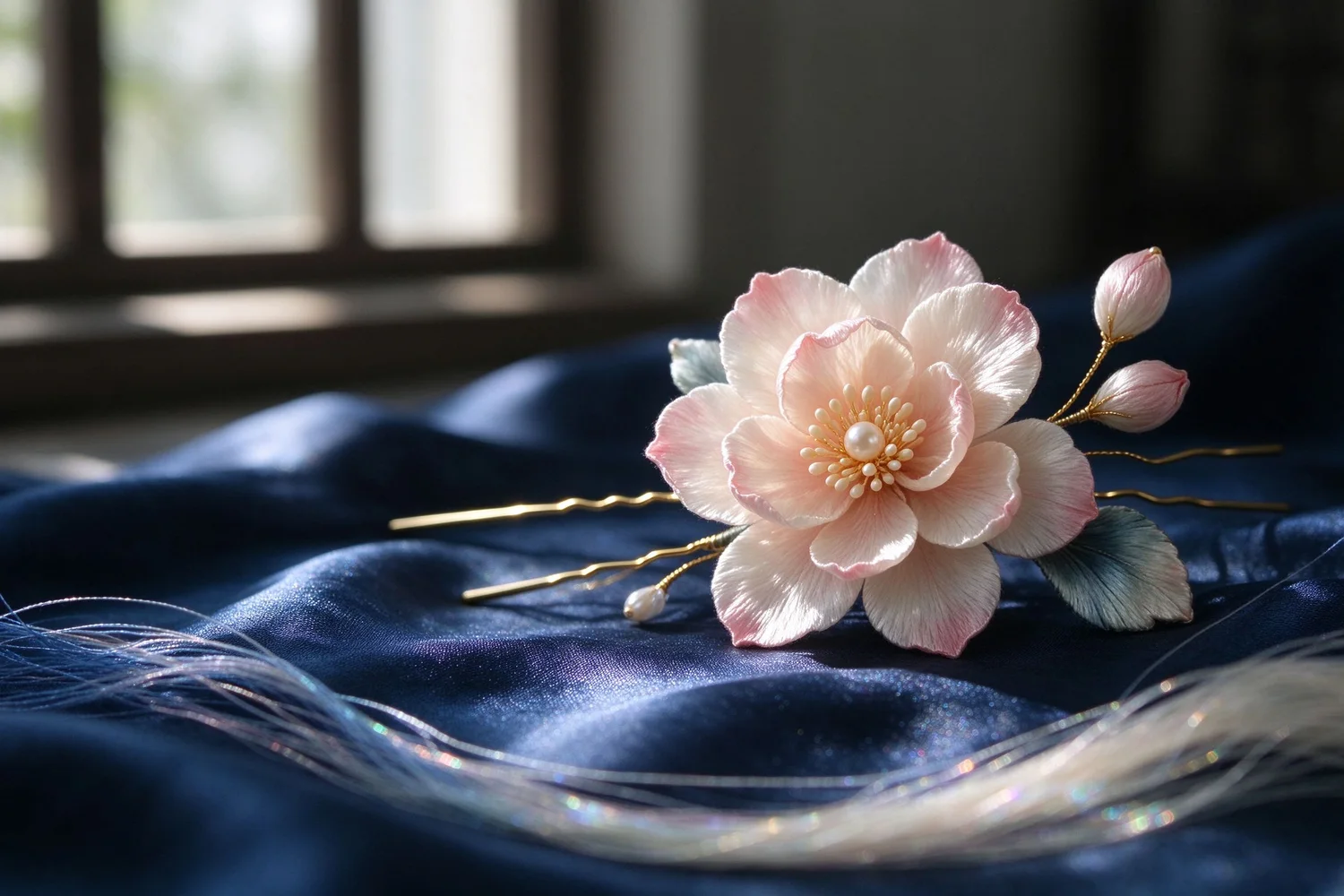
What about colour?
Colour carries its own message, and one of them is a genuine cultural trap:
| Colour | Traditional reading |
|---|---|
| Red | Joy, celebration, luck — the bridal colour |
| Gold | Wealth, status |
| Blue and green | Coolness, refinement, spring |
| White | Mourning, funerals |
| Black | Historically formal; in modern styling, simply dramatic |
This is the one place where a Western instinct goes wrong. White flowers read as bridal in Europe and America, but in a Chinese context white is the colour of mourning. A white silk flower is elegant and perfectly wearable — it is simply not the piece to give at a Chinese wedding.
How does this translate into silk flowers?
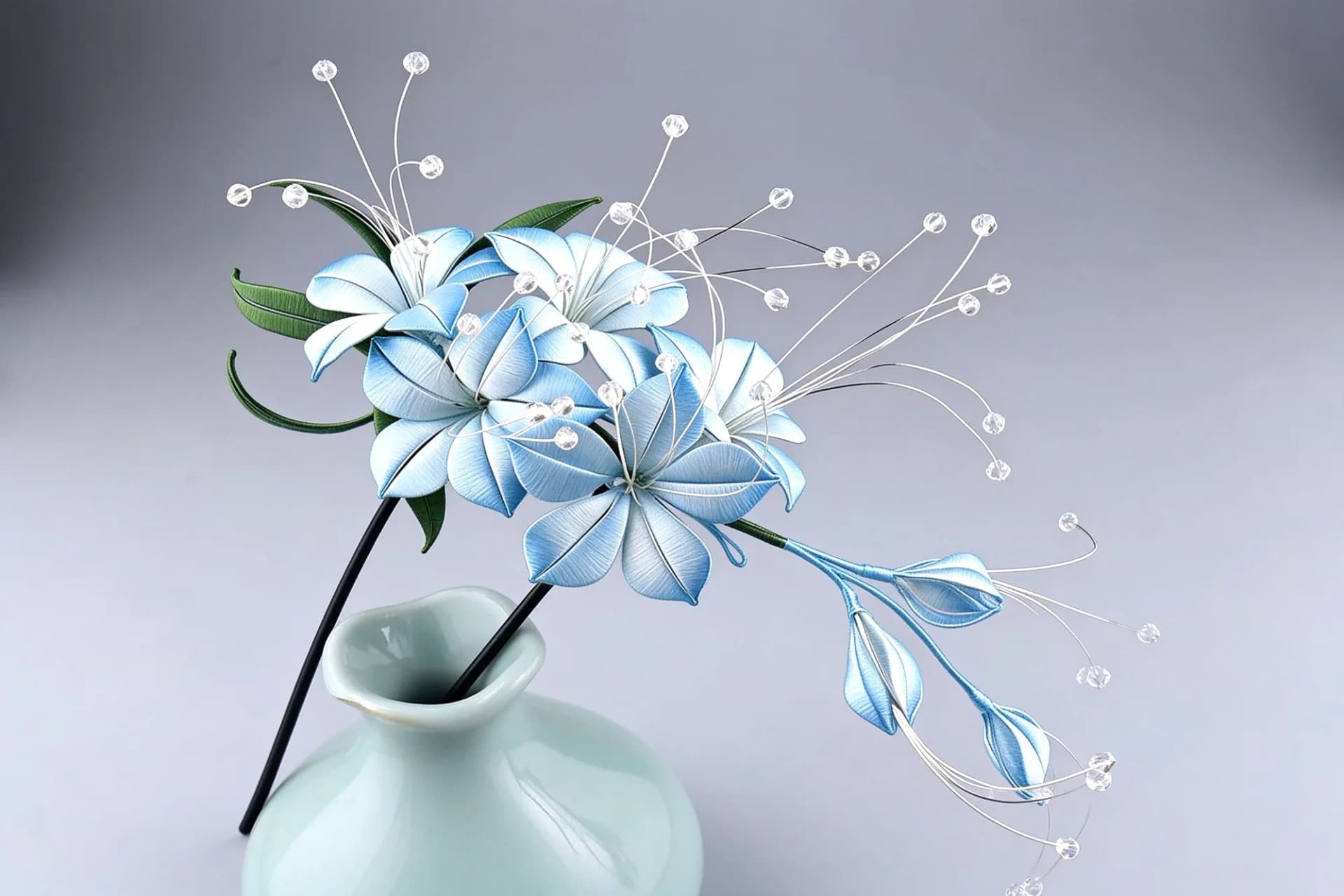
Silk flowers carry the same meanings as the real ones, with one advantage: the colour can be chosen exactly. Because chanhua is wound from dyed thread rather than grown, a maker can match the thread to a specific dress, or produce a peony in a colour that does not exist in nature.
That is also why traditional pieces combine specific flowers deliberately. A peony with a butterfly, for instance, is not a random pairing — the butterfly introduces a further pun on long life and on romance, and the combination was chosen for an occasion.
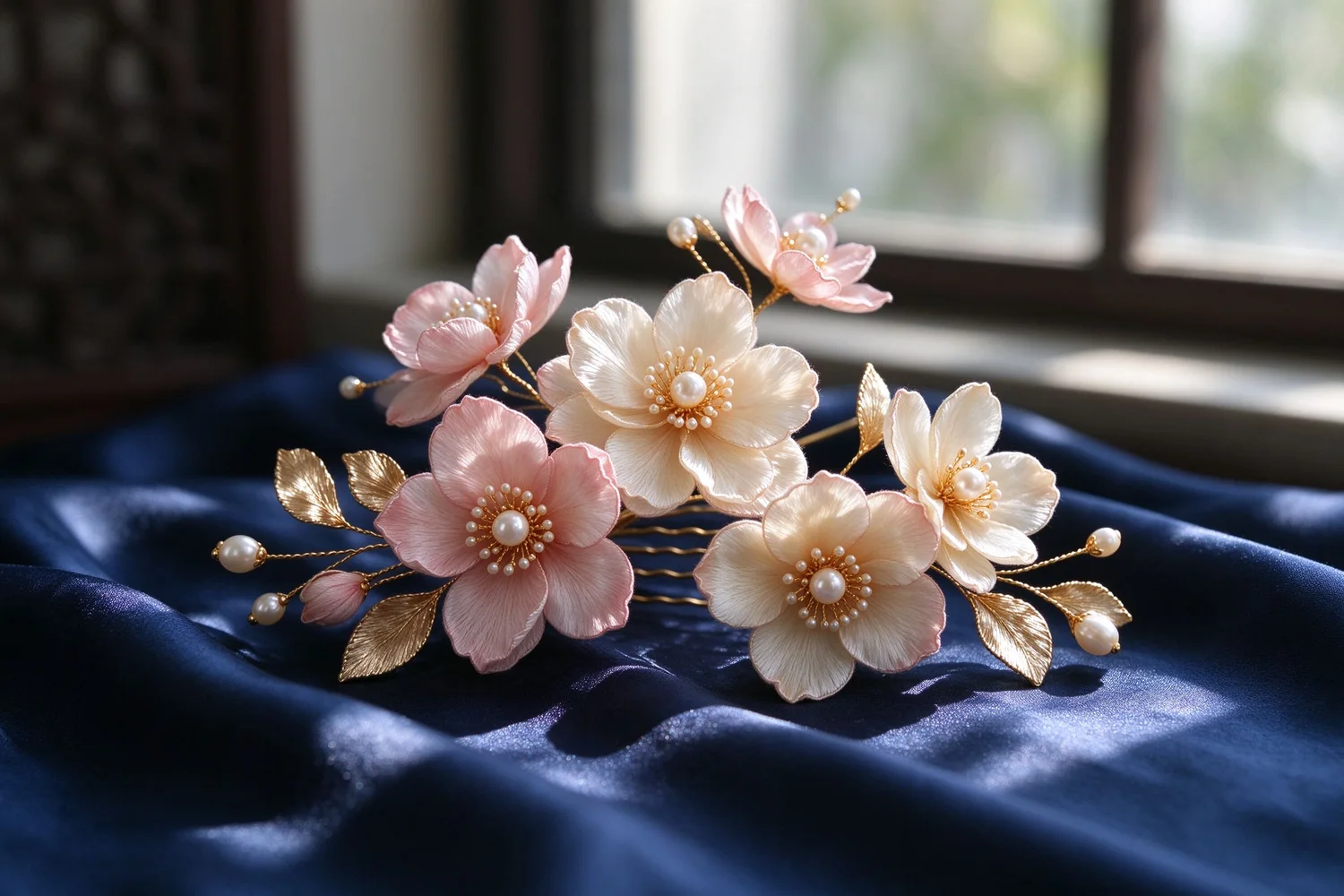
Which flower should you choose?
| If you are buying or making for | Choose |
|---|---|
| A wedding | Peony, or a pair of lotus on one stem |
| A graduation | Lotus, or the graduation cap build itself |
| A promotion or a new job | Osmanthus or peony |
| A birthday for an older relative | Chrysanthemum or peony |
| Someone going through a hard time | Plum blossom |
| A first piece you will wear often | Hydrangea or jasmine — softer, and easier to wear daily |
If you are unsure, peony is the safest choice: prosperity is good news in almost any context, and it is the most recognisable of the flowers.
Where to start
The Blue Phoenix Brooch Kit is the most sculptural piece in the range, and phoenix symbolism in China carries renewal and good fortune on top of the flowers it carries. The Hydrangea Hairpin Kit is the lighter, everyday counterpart. For the wider craft and its history, the Chinese intangible heritage guide is the natural next read, and what is ronghua explains the velvet version of the same tradition.
Frequently asked questions
What does a peony mean in Chinese jewelry?
Wealth, honour and a prosperous household. The peony is called the king of flowers, and it was the emblem flower of the Tang dynasty, so it carries the strongest association with status and good fortune of any bloom.
Why is the lotus a symbol of purity?
Because it grows out of mud and opens clean. That image made it a natural emblem for integrity, and it is also a core Buddhist symbol. Two lotus flowers on one stem, bingdi lian, stand for a devoted couple.
What does the plum blossom represent?
Endurance. It is the flower that opens in the coldest weeks of the year, before anything else, so it stands for perseverance through hardship. Its five petals are also read as the five blessings: long life, wealth, health, virtue and a good end.
Do colours carry meaning too?
Yes, and the one worth knowing before buying is white. In Chinese tradition white is associated with mourning rather than with brides, so a white silk flower reads as elegant in the West and as inauspicious at a Chinese wedding. Red and gold are the celebratory pairing.
Which flower should I choose as a gift?
Peony for a promotion, a new home or a wedding; lotus for a graduation or a fresh start; plum blossom for someone going through something hard; osmanthus for a career step. If you are unsure, peony is the safest, because prosperity reads as good news to almost everyone.