What is Chinese Silk Flower Art (Chanhua)?
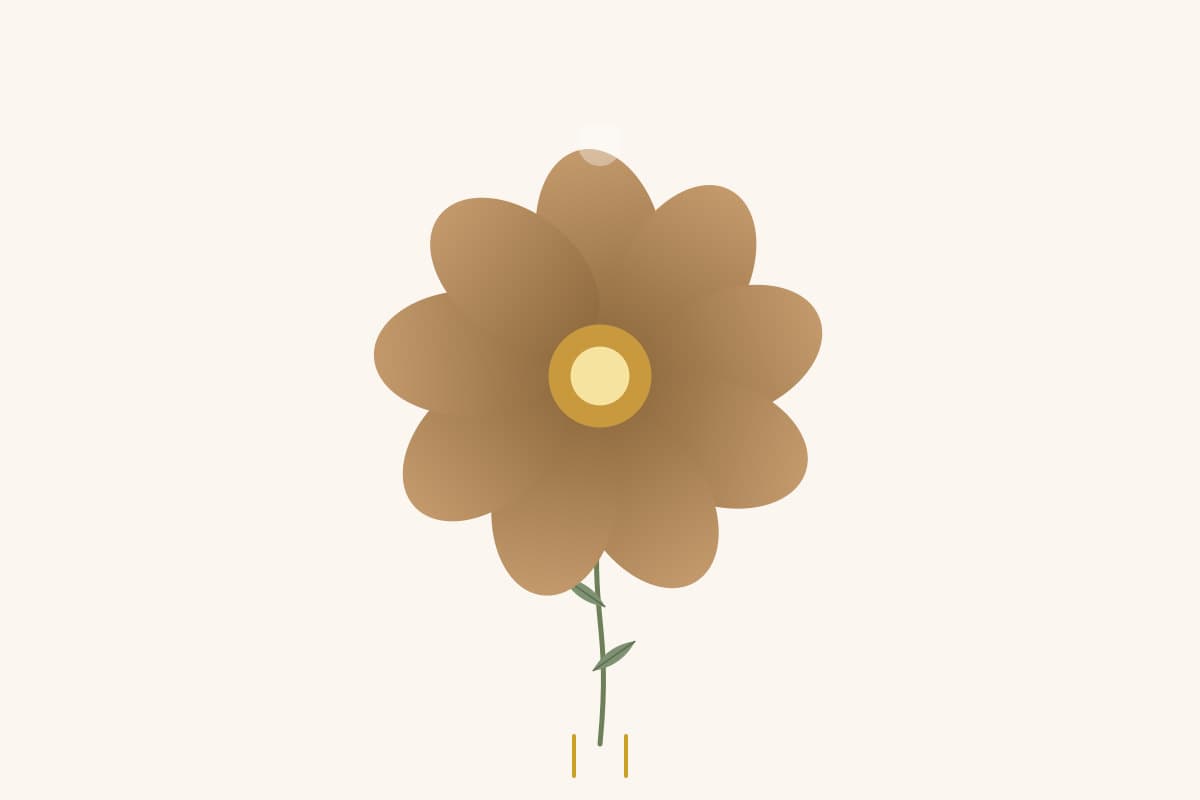
Silk that blooms forever
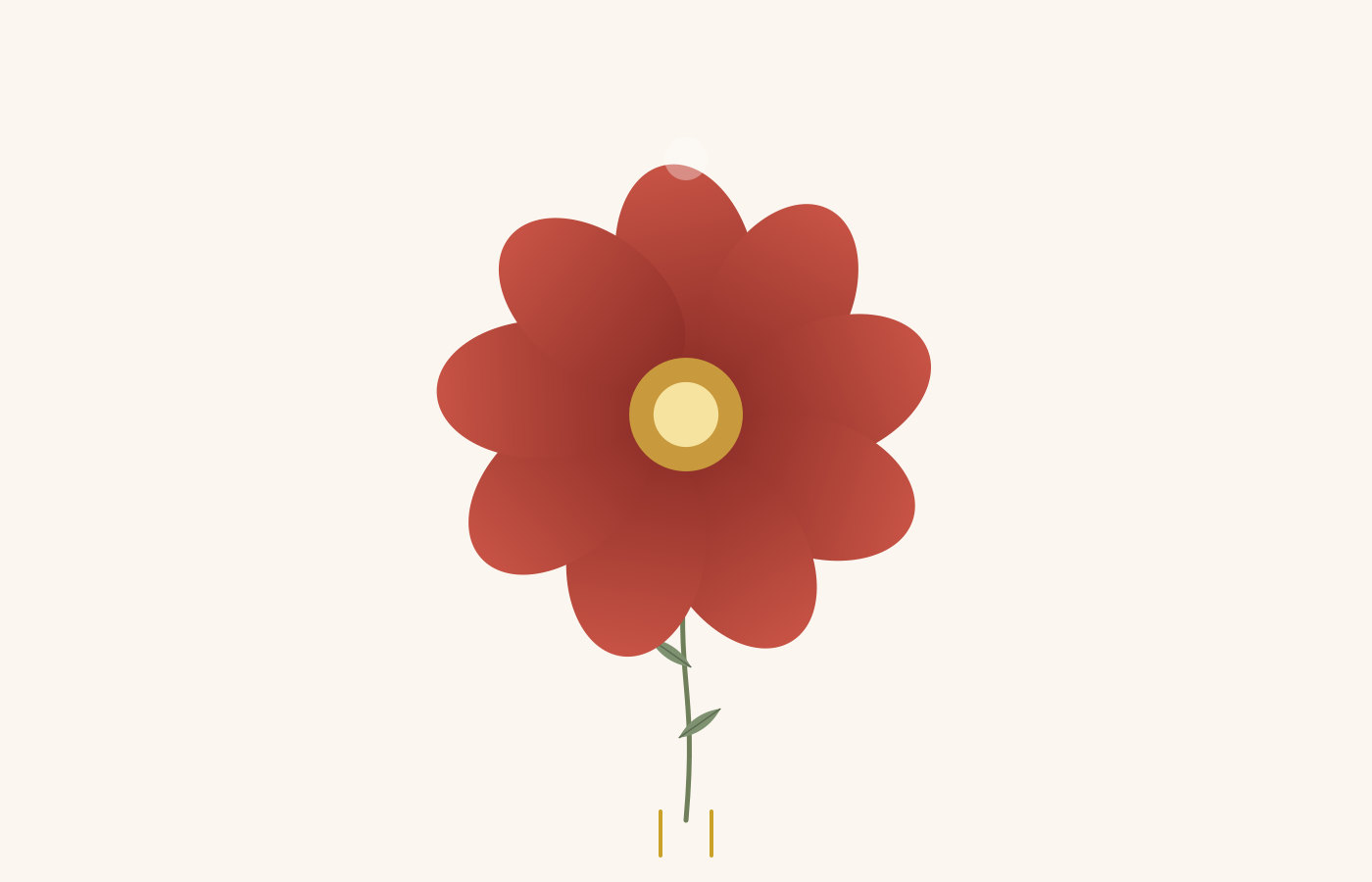
Chanhua (缠花) literally means "wrapped flower". Artisans wrap dyed silk thread around shaped copper-wire frames, petal by petal, until a flower emerges that never wilts.
It is one of the many arts recognized as Chinese intangible cultural heritage, carried by craft families for centuries.
Where did Chanhua come from?
Silk-wrapping techniques have been traced through folk costume accessories in central and southern China. In regions like Hubei, mothers passed the craft to daughters so they could make hanfu hair accessories for festivals and weddings.
Unlike embroidery on fabric, Chanhua is a three-dimensional, sculptural use of silk — closer to making a tiny silk sculpture than to sewing.
Why "What is Chinese silk flower art" matters today
People searching what is Chinese silk flower art usually meet Chanhua through hanfu, TikTok craft videos or museum exhibitions. Understanding its roots turns a pretty hairpin into a story you can share.
A single peony can contain 60–120 separately wrapped petals.
Try it yourself
Our Chanhua starter kit teaches the same wrapping method used by craftswomen today. Finished pieces such as the Vermilion Peony Hairpin let you wear the art immediately.