Chinese New Year: What the Preparations Involve
What does preparing for Chinese New Year involve?
A month of small jobs rather than one day of celebration: cleaning the house, writing couplets, buying new clothes, cooking a reunion dinner, and handing out red envelopes. The holiday itself is the fifteenth day of the first lunar month — the preparation is what most families actually spend their energy on.
That is why the season feels longer than it looks from outside. If you are invited into a Chinese home in the weeks before, you are walking into the middle of a job that has been going on for a while.
What happens in the weeks before?
Five stages, roughly in this order.
| When | What happens |
|---|---|
| Two to three weeks before | House cleaning, repairs, buying new clothes, ordering food |
| One week before | Red couplets on the door, paper cuts on windows, flowers and plants bought |
| New Year's Eve | Reunion dinner, the most important meal of the year |
| Day one | Visits to elders, red envelopes, no sweeping |
| Day fifteen | Lantern Festival, which ends the season |
The exact timing shifts by family and by region, but the order rarely does.
Why is the cleaning so serious?
Because it is not only cleaning. The sweeping is understood as clearing out the previous year — the bad luck, the unfinished business, the dust of twelve months — so the new year starts in an empty, orderly house.
The practical consequence is that the work has to be finished before New Year's Day. Sweeping on the first day is traditionally avoided, because the luck of the new year is not to be swept out of the door. In many homes the broom is put away for the day entirely.
What goes on the door?
Red couplets: two vertical strips of paper with paired lines, one on each side of the door, plus a horizontal strip above. The text is usually a wish for the year — prosperity, health, peace — and it is chosen or written for the household.
Paper cuts go on windows, and the character for good fortune is pasted on doors and walls, sometimes upside down on purpose, because "upside down" and "arrived" sound the same. Red is the color throughout, and the reason is simple: it is the color of celebration, and of protection in the old stories.
What is eaten at the reunion dinner?
The dinner is the center of the holiday, and the menu is a set of wishes disguised as food.
| Dish | Why it is there |
|---|---|
| Fish | The word sounds like surplus — a wish for more than enough |
| Dumplings | Shaped like old silver ingots; standard in the north |
| Rice cake | Sounds like "higher every year" |
| Spring rolls | Shaped like gold bars |
| Whole chicken | Completeness, family unity |
The table is deliberately fuller than the family can finish. Leftovers are not a failure; they are the point.
How do red envelopes work?
Married adults give them to children and to younger unmarried relatives. The money is new notes, the envelope is red, and the amount should be even.
Four is avoided in any position, because it sounds like the word for death. Eight is welcome. The giving is usually accompanied by a short wish — for study, for health, for a good year — and the envelope is received with both hands.
If you are a guest and want to give something, the etiquette is in Chinese gift-giving taboos. The short version: red, paired, even-numbered, and never a clock.
What should you wear?
Something new, and something red if you have it. New clothes are part of the holiday in the same way the cleaning is: the year starts with things that have not been worn before.
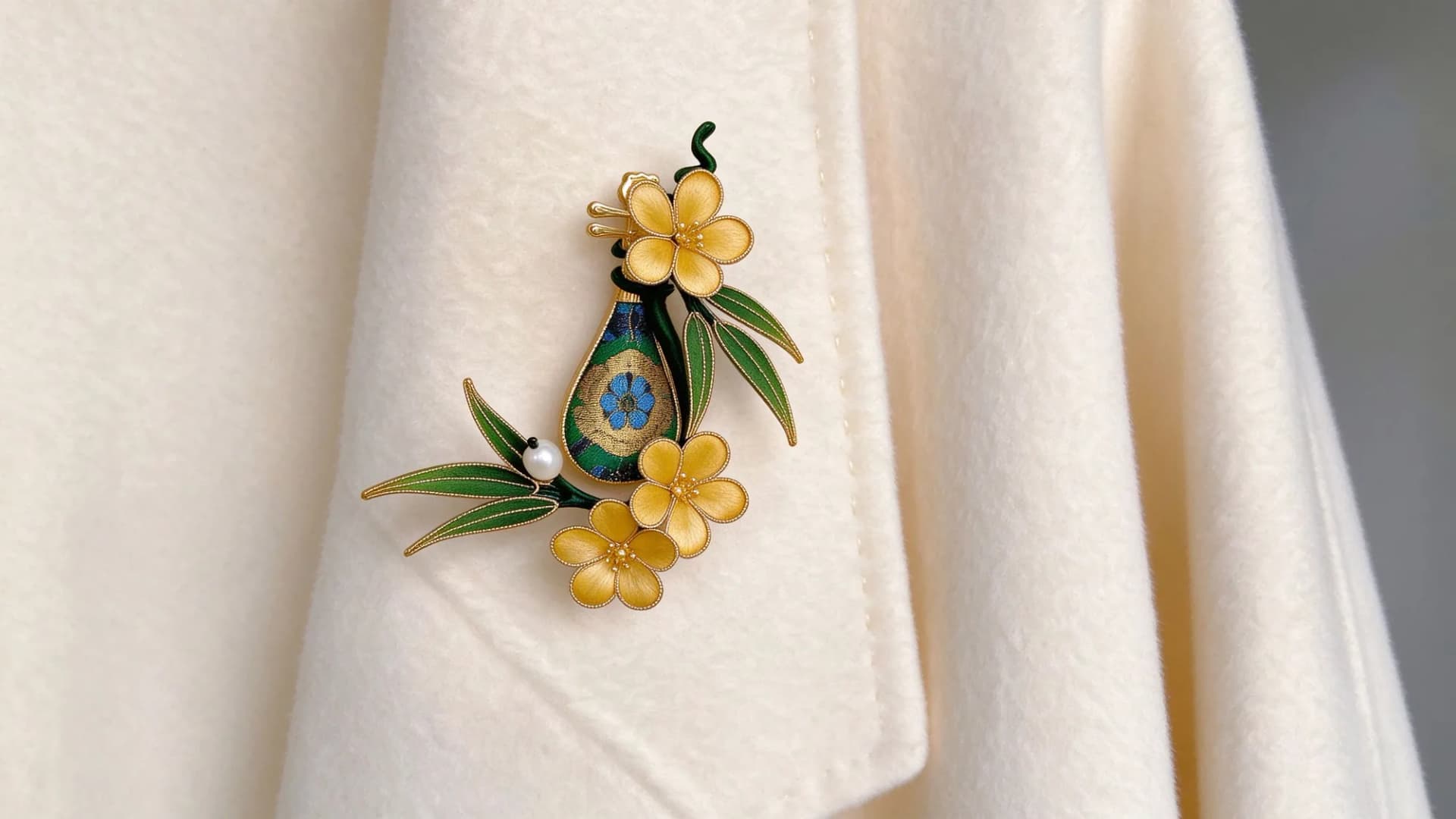
For a visit to elders, the safest version is a red top or a red accessory rather than a full red outfit. A single silk flower at the shoulder, such as the phoenix brooch, reads as a wish rather than as decoration, and the color does the work before anyone speaks.
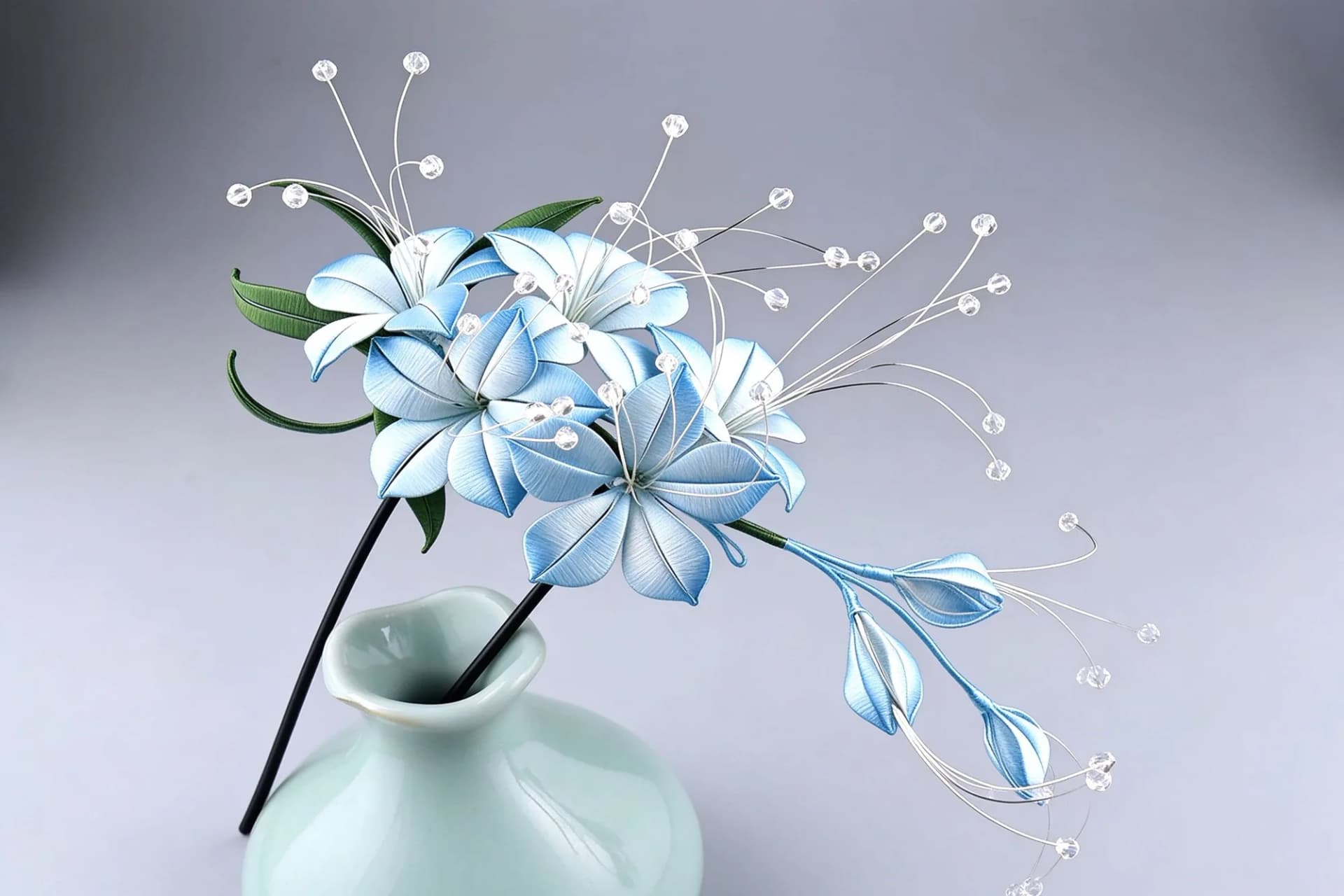
If you are wearing your hair up, a red hydrangea hairpin plays the same role at the head. What matters is one clear red object, not several.
What should you bring if you are invited?
Fruit, tea, or a box of pastries, in a pair if the shape allows it, and never in an amount of four. A bottle of wine is fine for a friend's home and awkward for an elder's, where tea or fruit is the safer choice. If there are children in the house, red envelopes are expected from married guests, and the amount should be even.
Bringing something for the table is more useful than bringing a decoration, because the household already has its decorations by then. The exception is a gift that is clearly for one person — a hairpin for the host, a brooch for a grandmother — and that should be handed over quietly rather than announced.
What happens after the first day?
Visiting continues for days, in a set order — the wife's family, the husband's family, elders before friends, depending on the region. Many families avoid haircuts during the first lunar month, though this is a folk custom with plenty of exceptions.
The season ends on the fifteenth with the Lantern Festival: lanterns, sweet rice balls, and the last night of the holiday. After that, the couplets come down and the year properly begins.
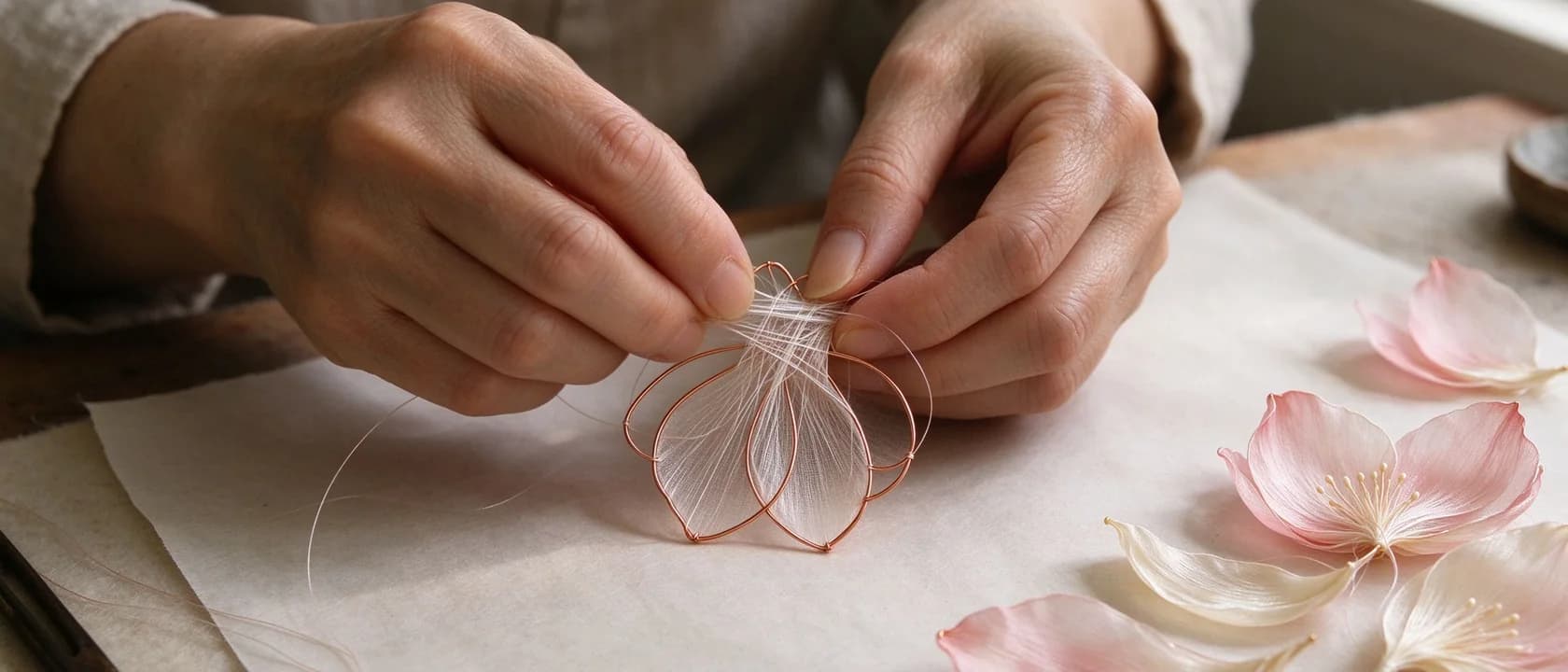
The chanhua craft page explains why a flower is a natural gift for this season, and Chinese flower symbolism covers which flower means what — useful if you are choosing a piece for someone else's household.
Frequently asked questions
When does Chinese New Year preparation start?
In most households, two to three weeks before the holiday. The cleaning, the shopping for food and new clothes, and the writing of couplets all happen in that window, and the last week is the busiest.
Why do people clean the house before Chinese New Year?
The cleaning is understood as sweeping out the previous year's bad luck and making room for the new one. It has to be finished before New Year's Day, because sweeping on the first day is traditionally avoided — the luck of the new year is not to be swept out.
What is eaten at the reunion dinner?
It varies by region, but fish is almost universal because the word sounds like surplus, and dumplings are standard in the north. In the south you will see rice cakes, spring rolls and whole chickens. The point is a table that is fuller than the family can finish.
Who gives red envelopes?
Usually married adults give them to children and to younger unmarried relatives. The amount should be even and should avoid four, which sounds like the word for death. Eight is welcome because it sounds like prosperity.
How long does Chinese New Year last?
Fifteen days, ending with the Lantern Festival. Most of the public celebration happens in the first three, but the period officially runs to the fifteenth, and some customs — visiting relatives, avoiding haircuts — are observed across it.