Gifts for Crafters Who Have Everything
What do you buy a crafter who has everything?
Buy them a finished piece made by somebody else. Makers spend their evenings producing work for other people and almost never end up owning a handmade object that is not their own. A well-chosen finished piece is therefore something they genuinely do not have — and they are the one person who will immediately understand how long it took.
That is the whole answer, and it is the opposite of the instinct most people have. The rest of this guide is why.
Why is a kit usually the wrong gift for a crafter?
Because a kit solves a problem they do not have.
| What a kit assumes | What is actually true for a maker |
|---|---|
| They lack the tools | They own the tools, usually in three sizes |
| They lack the materials | They have a shelf of materials, some of it older than the friendship |
| They want a project | They already have four unfinished ones |
| A new craft will excite them | Only if it is genuinely new to them |
A kit in a discipline they already practise is, bluntly, a box of things they own. It also quietly adds to a backlog almost every maker feels slightly guilty about.
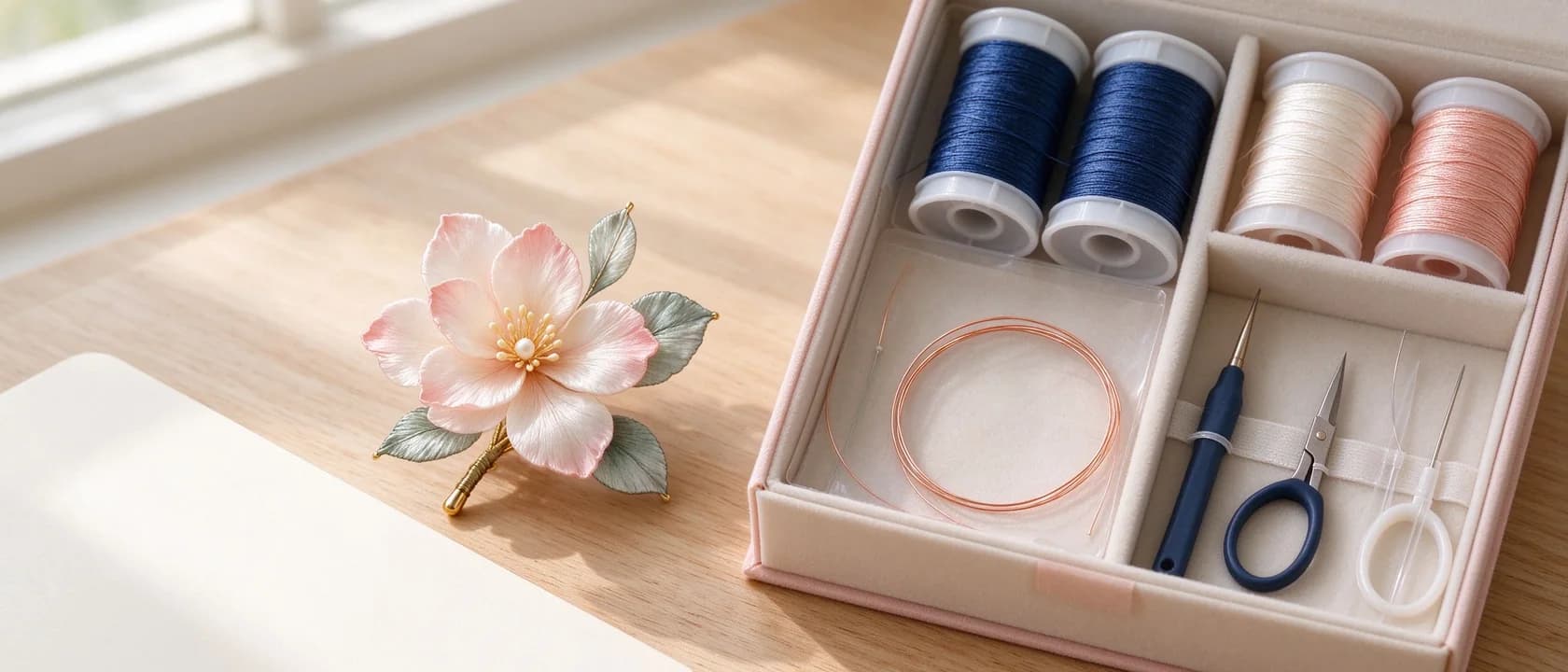
The exception is a craft they have never touched. A knitter given a silk flower kit is being offered a genuinely new skill, not more supplies — and the tools are household items rather than a new equipment category.
Why does a finished piece land so well?
Two reasons, and the second one is the one people miss.
First, they do not have one. Ask a maker to show you the handmade things in their own home and you will usually get an awkward pause. Everything they make leaves. What they keep is other people's work, which is why a finished piece slots straight into a gap they had not noticed.
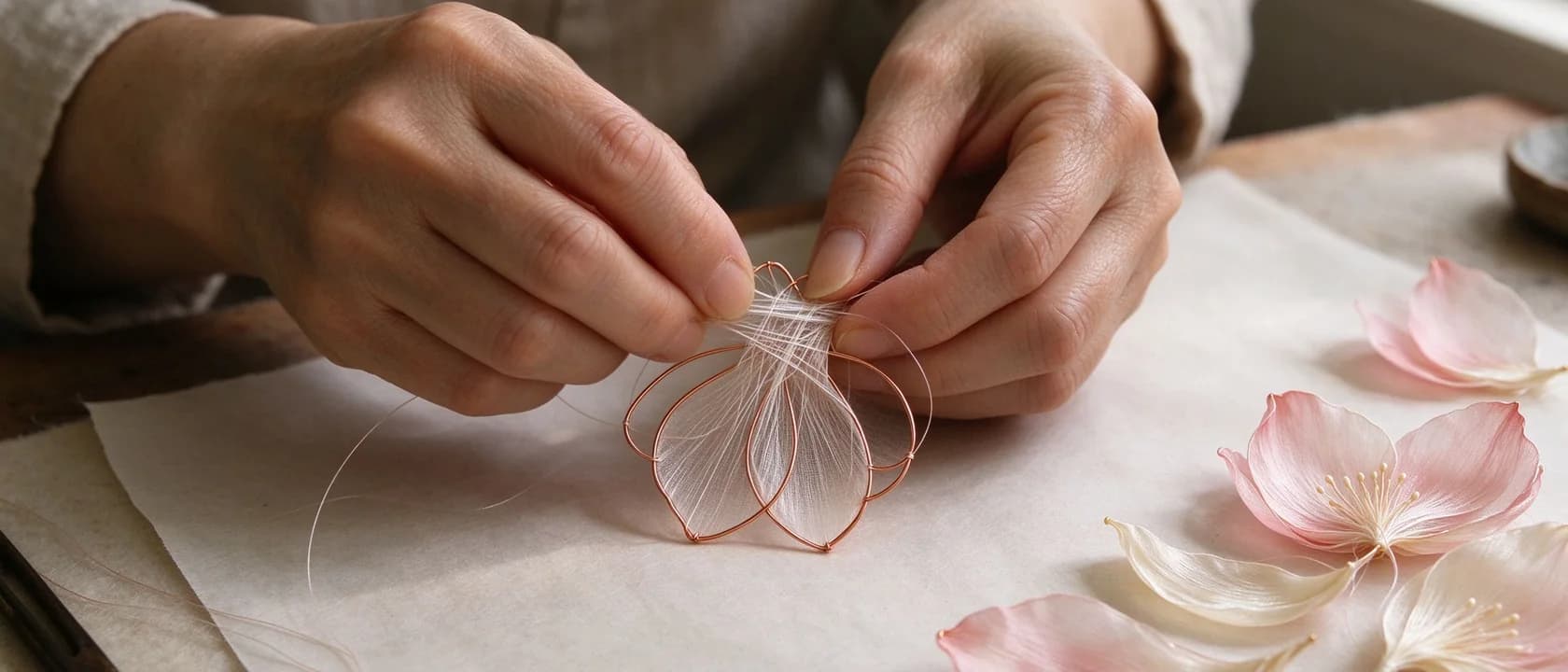
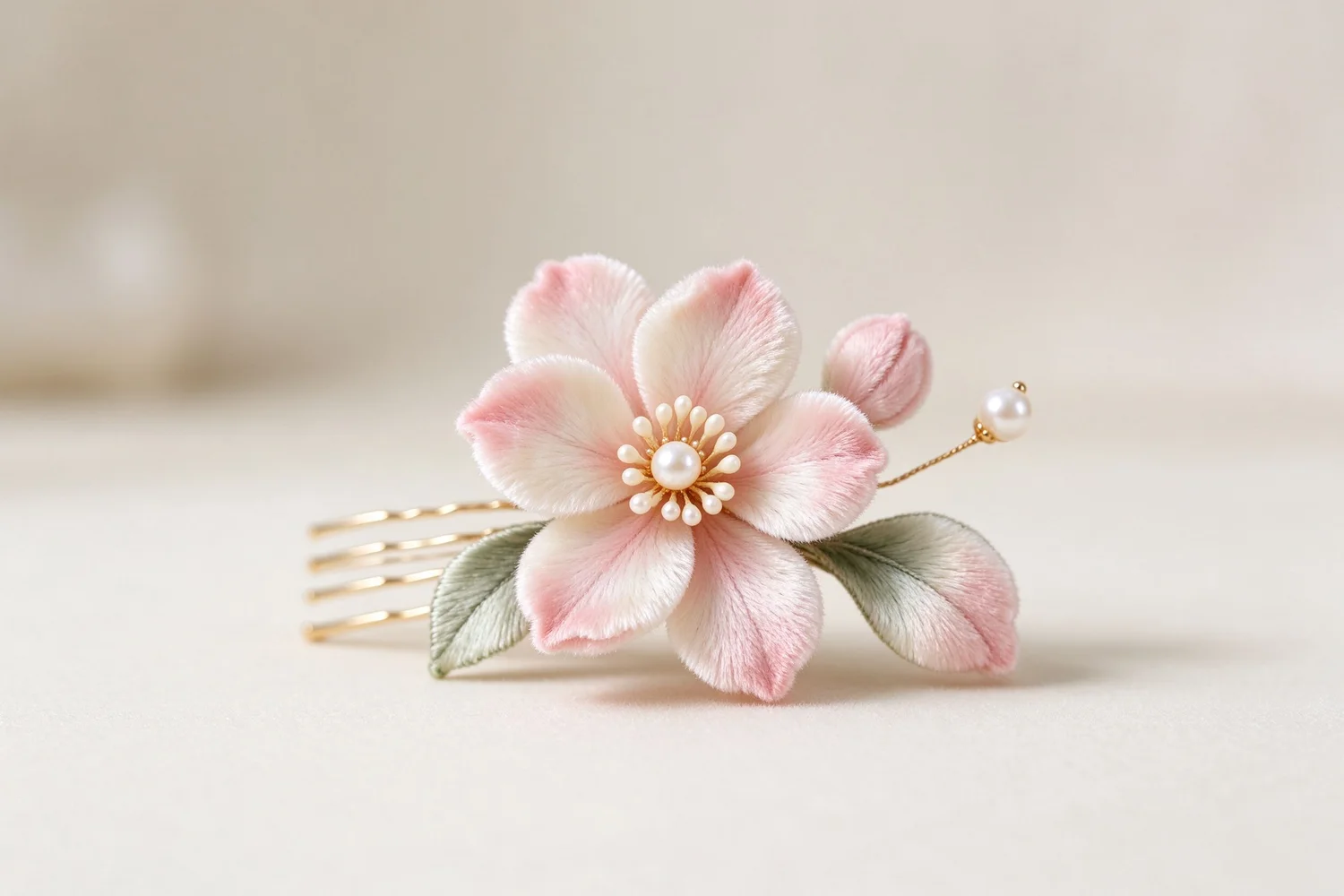
Second, they will read it properly. A maker looks at a hand-wound piece and sees the density of the wrap, whether the tension holds along the petal, whether the center is finished. You are giving it to the only person in the room who will appreciate the hours rather than just the object.
How do you choose one?
| Type of crafter | Give | Why |
|---|---|---|
| Knitter or sewer | A small brooch | It sits on the same clothes they already make |
| Someone who works with color | A piece in a single clear color | They will notice whether the dye is even, and it is |
| A tool collector | A piece with visible hand-work | Density and finish are what they will inspect |
| Someone who makes for others | Anything they can wear | They own nothing that was made for them |
| A beginner crafter | A finished piece, not a kit | They are still building skills; do not set homework |
| Someone with no craft at all | A small hairpin or brooch | No assembly required, no tools needed |
If you are guessing, buy small and buy neutral. A piece in one clear color, in the smallest size available, gets worn; a large statement piece needs the right outfit and the right occasion and stays in the box.
What about a piece they could make themselves?
That is not a reason to avoid it — it is the reason it works.
A maker can judge this kind of work better than anyone. They will notice that the wrap has no gaps, that the petals match each other, that the center is finished rather than left bare. Those are the things they spend their own hours getting right, and they are the things a machine cannot fake.
There is also something quietly pleasing about giving a specialist a good example of their own field. It is the gift equivalent of a chef being taken out to dinner.
What should you avoid?
- Materials in bulk. A maker's taste in materials is personal and specific. Buying it for them is like buying someone else's palette.
- A kit in their own discipline. Covered above — you are buying them things they own.
- Something that needs a display case. If it cannot be worn, it needs a home, and not everyone wants to reorganize a shelf.
- Anything that implies their work is not good enough. A "better" set of tools is a compliment only if you know exactly what they want.
Three shapes that work for almost anyone
| Piece | Best for | Why it travels well |
|---|---|---|
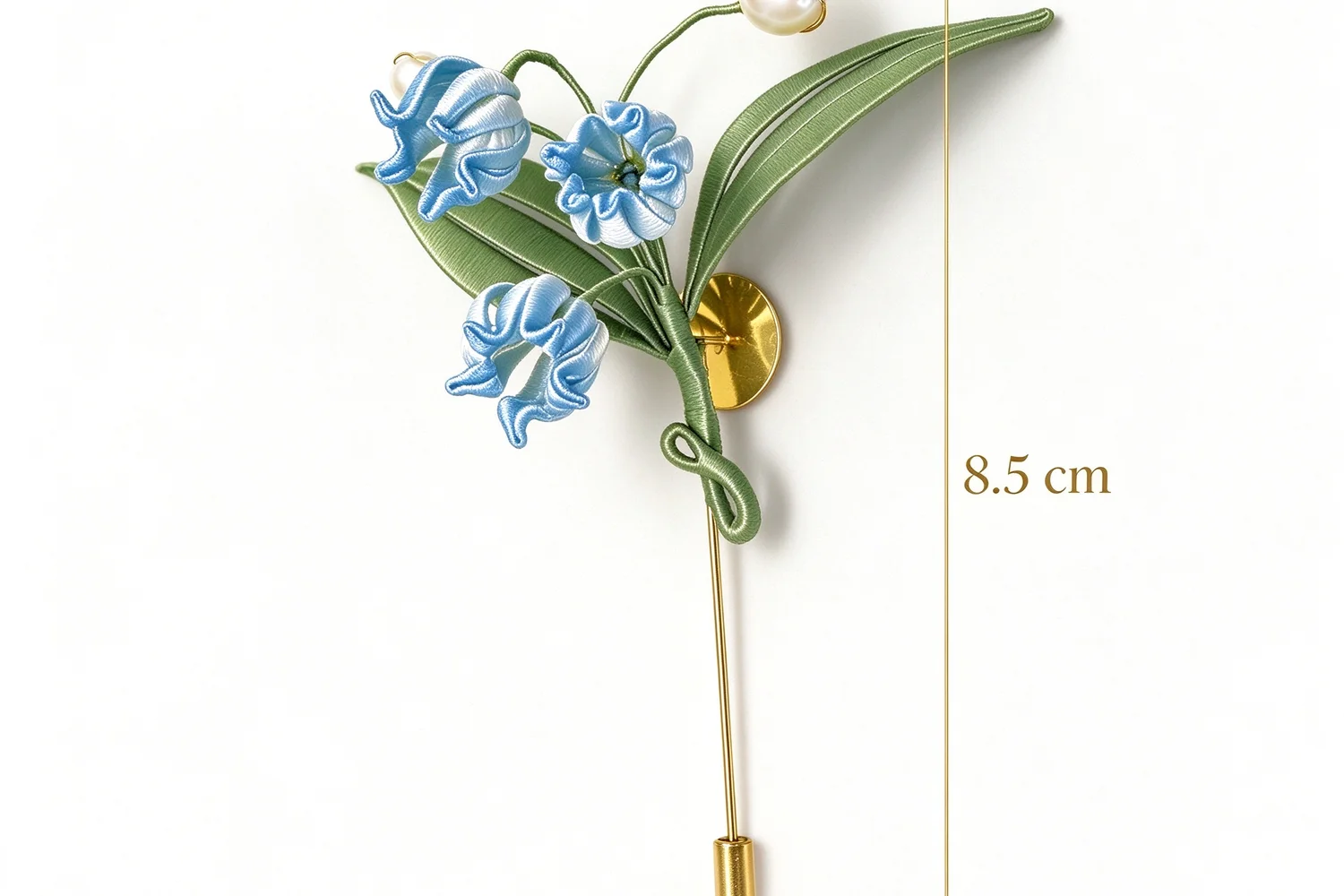
| Lily of the Valley Brooch | Jackets, coats, knits | Curved stem, sits naturally on a lapel |
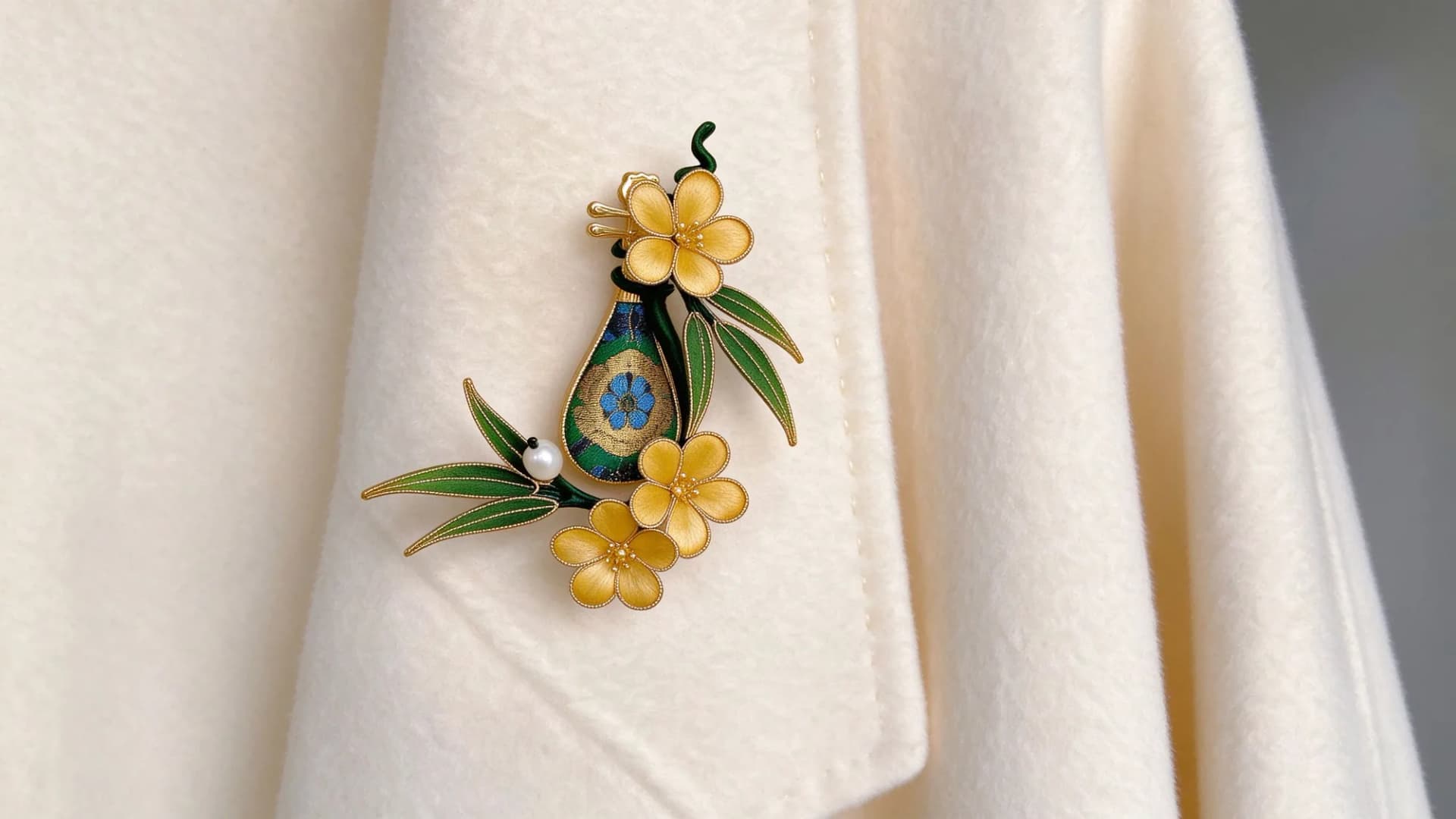
| Blue Phoenix Brooch | Someone who likes a statement | Sculptural, but still small enough for a collar |
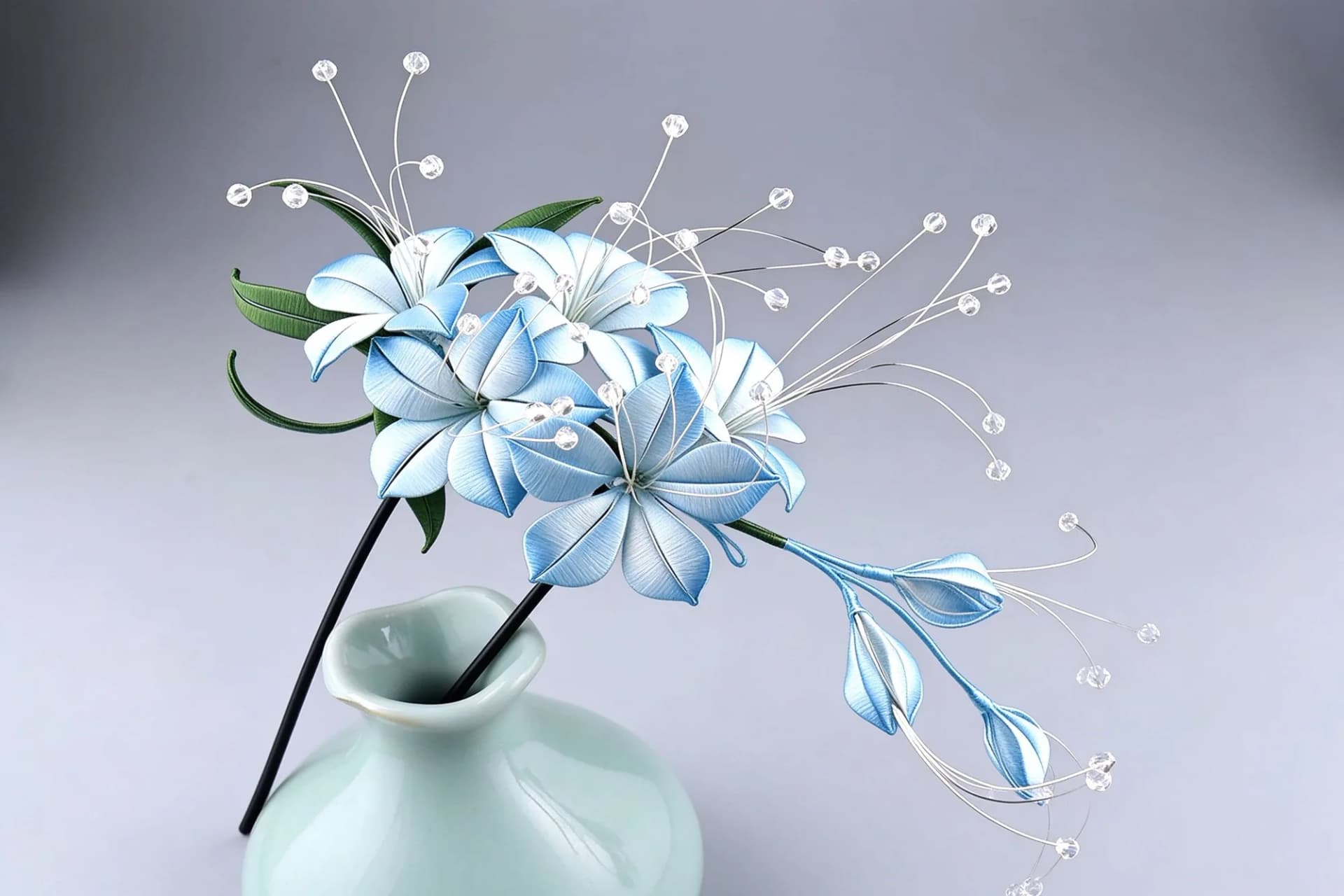
| Hydrangea Hairpin | Anyone with long enough hair to pin | Light, soft, works with an ordinary bun |
All three are wound by hand in our studio in Guang'an, Sichuan, and all three arrive in the box that is also how the piece should be stored. If the recipient is a maker, that box will be appreciated as much as the flower.
What if you still cannot decide?
Think about what they wear rather than what they make. A crafter's own favorite work is often not their style — many makers spend their time on commissions and colors they would not choose for themselves.
If the answer is still unclear, the guide to choosing a first piece covers length, weight and how each type attaches, and Chinese flower symbolism in jewelry will help you match the flower to the occasion. The Chinese intangible heritage guide explains the craft itself if you want to write a card that says something more specific than "happy birthday".
Frequently asked questions
What do you buy a crafter who already has everything?
A finished piece made by someone else. Makers spend their time producing work for other people and rarely end up owning any handmade object that is not their own - which makes a well-chosen finished piece something they genuinely do not have.
Is a craft kit a good gift for a crafter?
Only if it is a craft they have never tried. A kit in a discipline they already practise is usually a box of things they already own, and it also adds to a project backlog most makers are quietly guilty about.
What if I do not know their style?
Buy small and buy neutral. A piece in one clear colour, in the smallest size available, gets worn. A large statement piece needs the right outfit and the right occasion, so it stays in the box.
Are handmade gifts too personal to choose for someone?
Not if you keep it small. The rule that works is the same one that applies to jewellery: choose the piece you would wear with an ordinary outfit, not the one you admire most in a photograph.
Should I buy a piece they could make themselves?
Yes, and that is often the point. A maker can judge a hand-wound piece better than anyone, and they will notice the hours immediately - which is exactly what makes it land.