Before You Buy a Ronghua Kit, Ask Yourself Three Things
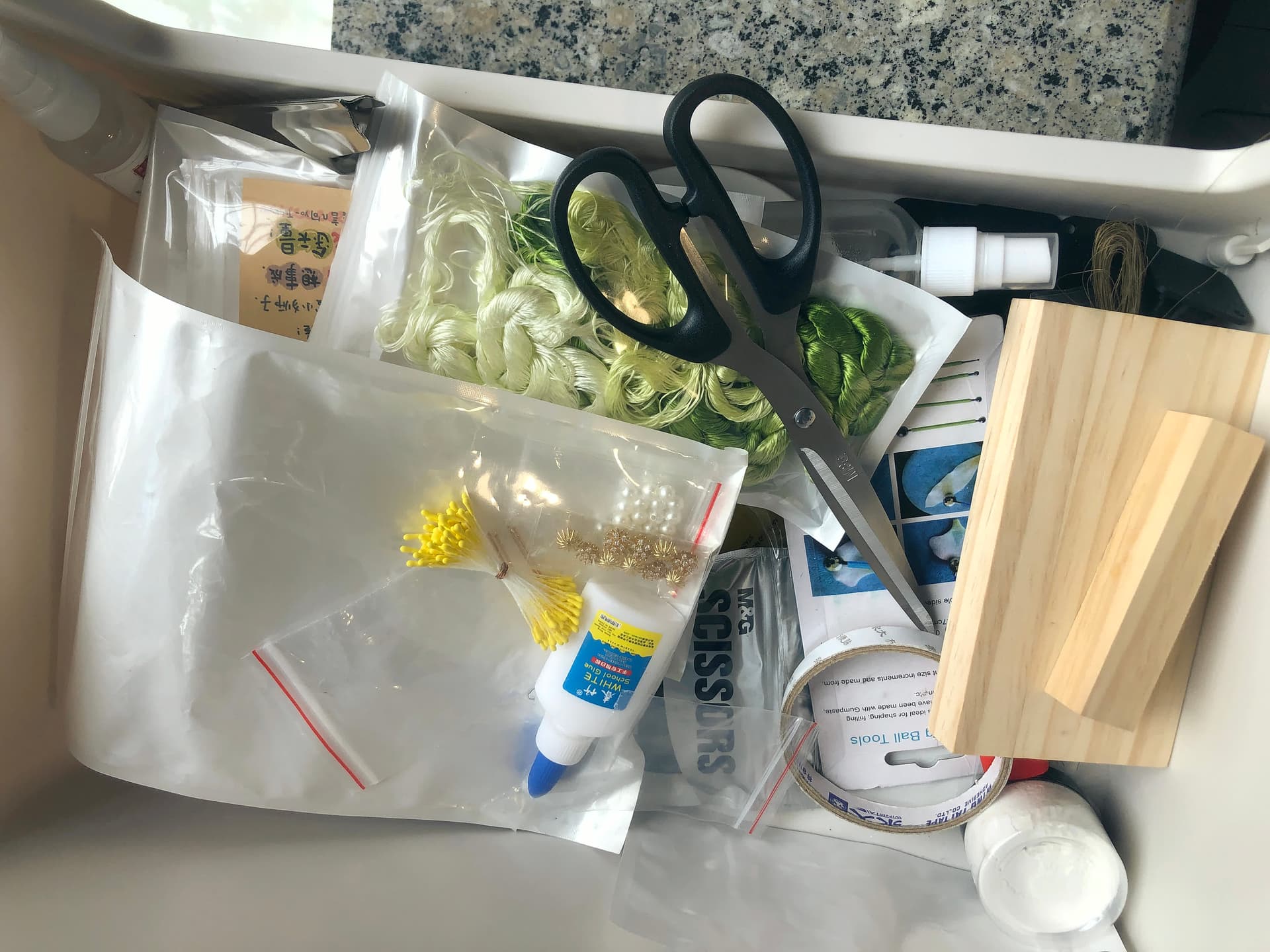
Should you buy a ronghua kit?
Only if you want the hours, not just the flower. A finished piece takes four to six hours of work, and a first attempt takes longer. The people who finish are not more talented — they decided in advance that sitting still was part of what they were buying.
That is the honest version of the question you are asking when you look at a kit listing. The materials are not the problem. The mismatch between the evening you expect and the evening you get is.
I am Hong, and I have two children. My first flower started at nine at night, after both of them were finally asleep. That was the only quiet hour I had. In the beginning it was close to overwhelming, and I nearly stopped.
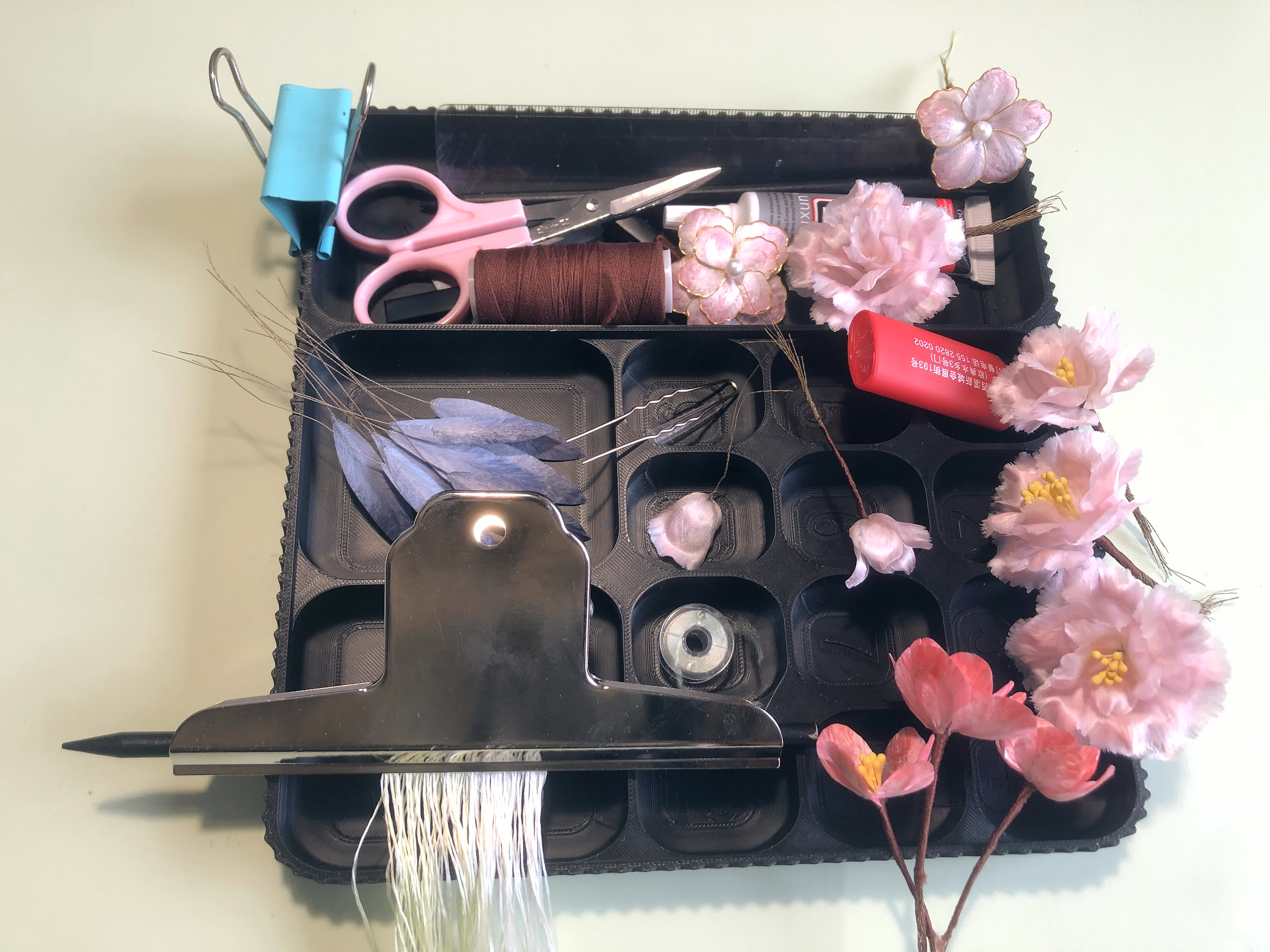
Why do most first kits get abandoned?
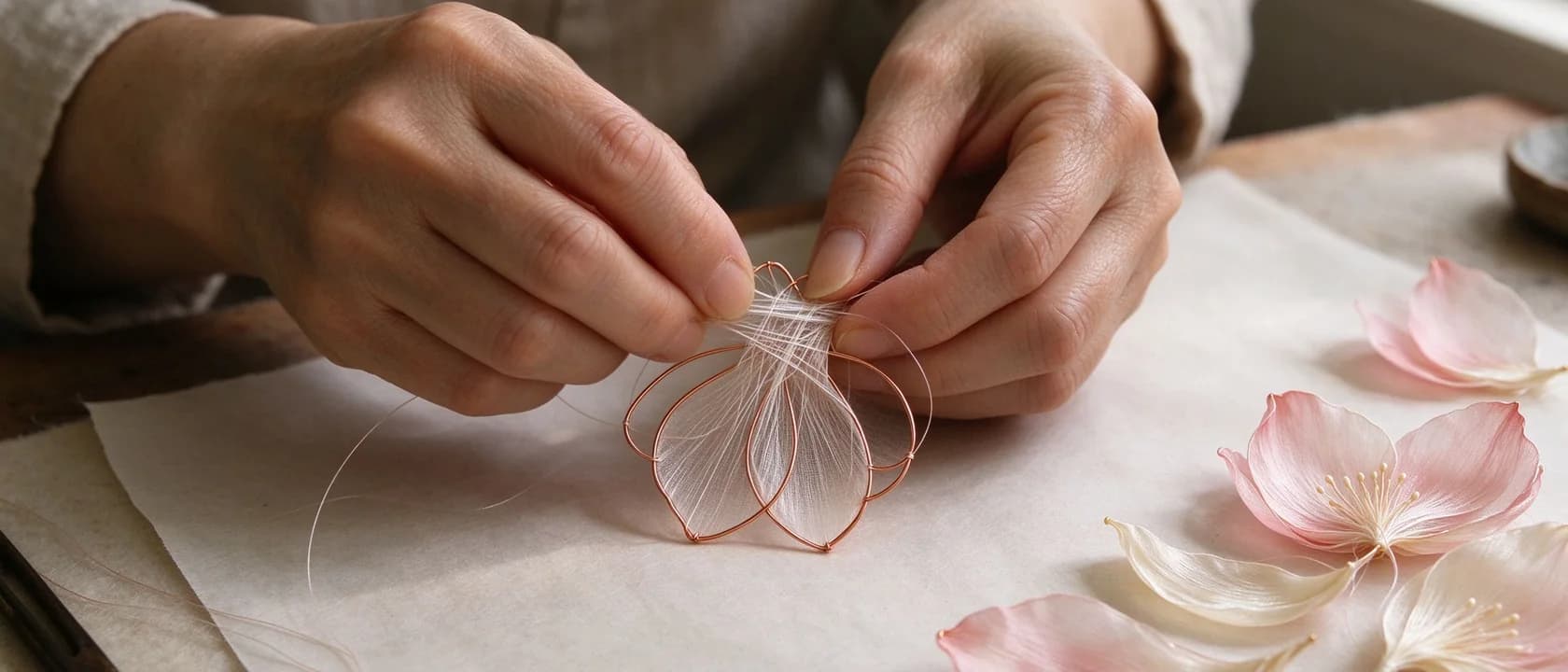
Not because ronghua is too difficult. I have posted the process on social media, and it is legible at a glance: you watch one petal being bound to the wire, and you understand what to do.
The difficulty is not the process either. What carries you through is wanting the thing enough to keep going when it looks wrong.
A normal evening at home gives you maybe ninety minutes of real attention. The first flower needs three or four of those, and for the first two it looks bad. If you expected one satisfying evening, you will stop on the second night, when the flower is still ugly and the end is not in sight.
That is not a character flaw. It is a scheduling error.
Question one: do you want the object or the quiet evening?
This is the only question that really decides the purchase.
| What you actually want | What to buy |
|---|---|
| A finished flower to wear this month | A finished piece |
| An evening alone that produces something | A kit |
| A hobby that fills several winters | A kit, then a second kit |
| A gift that looks handmade | A finished piece, unless the recipient asked to make one |
| To post a video of making it | A kit, and accept that the first one may not be postable |
Both answers are legitimate. The mistake is buying one and expecting the other.
Question two: can you sit for four hours without a result?
Try it before you buy. Not with silk — with anything. Cook something that takes two hours. Draw something badly for two hours. Repair something small.
What you are testing is not patience as a virtue. You are testing whether ninety minutes without a visible result makes you restless. If it does, the kit will live in a drawer and a finished piece will make you happier.
Question three: will you tolerate an ugly first flower?
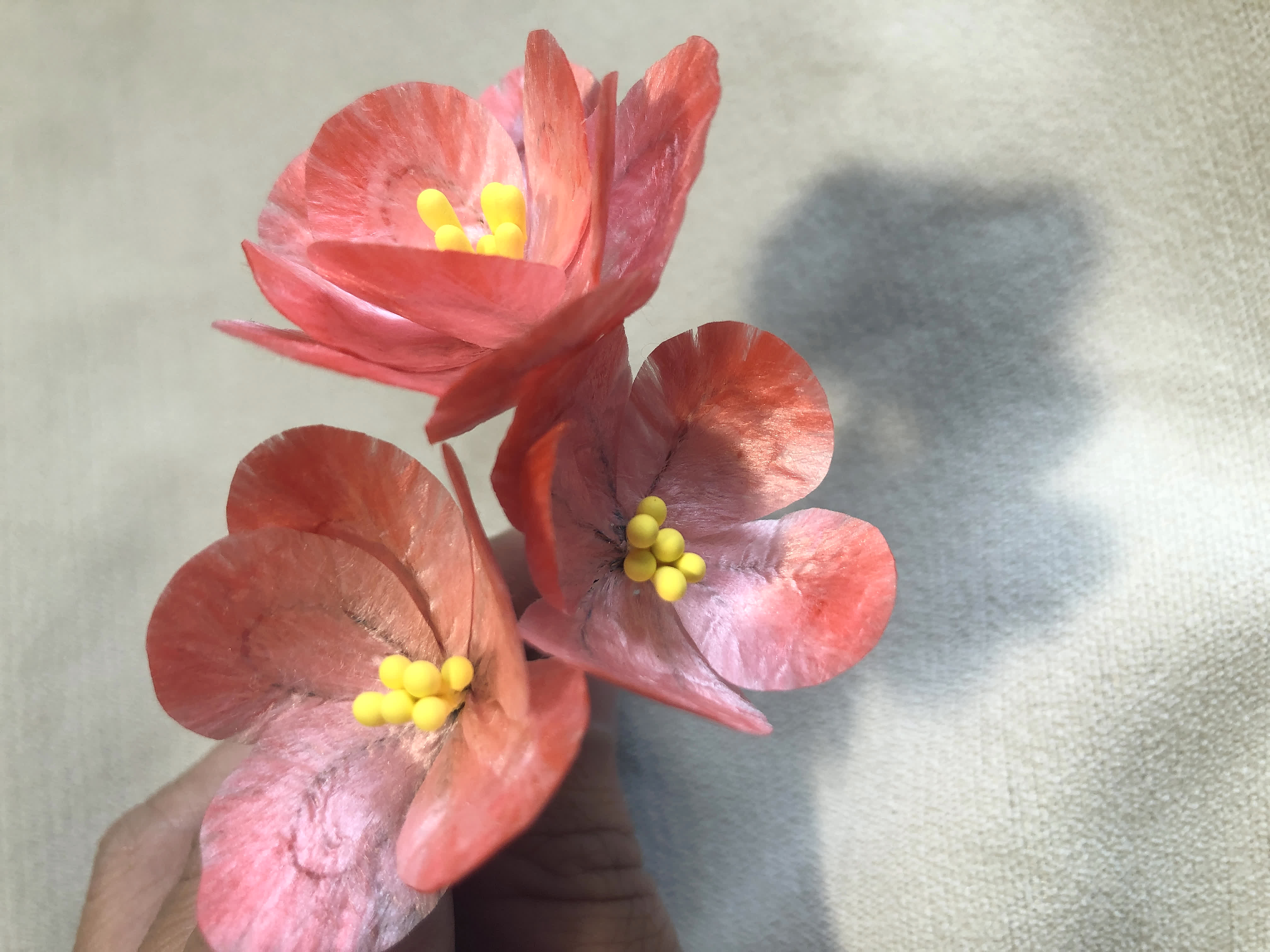
The first piece is usually worse than the maker expected. Teasing the silk is unfamiliar, so the petals are uneven, the trimming is hesitant and the whole thing is a little heavy. It still costs four to six hours, and parts of it get redone — which is what makes it frustrating: the effort and the result do not match yet.
I keep my first flower in the studio. It is not good. I show it to everyone who visits, because the person standing in front of me is usually afraid of exactly the same thing.
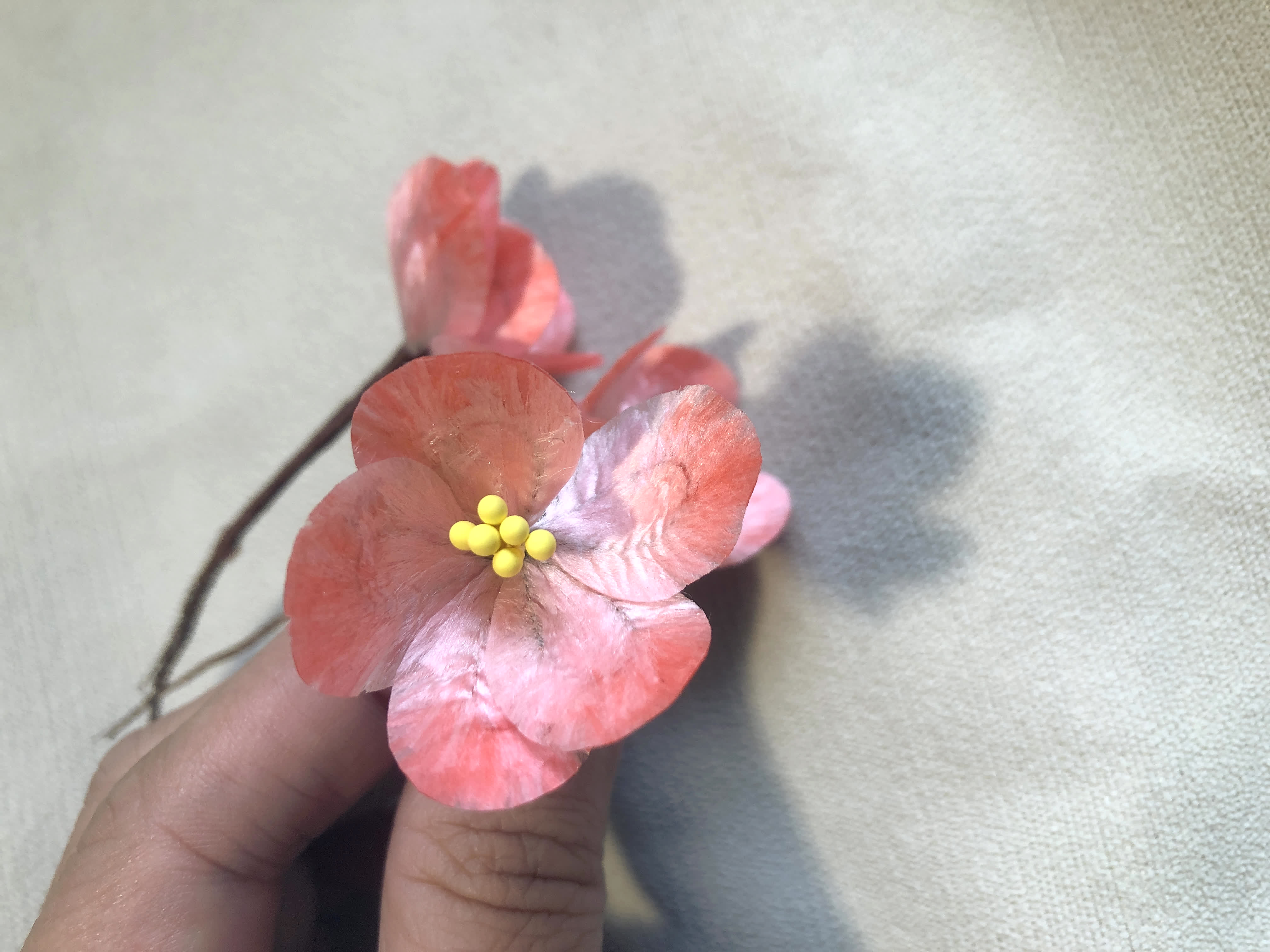
The second is visibly better. By the third, the hands know the tension and the eyes know where the cord should sit, and the work becomes quiet rather than effortful.
What does a beginner actually struggle with?
Almost never the thing they expected. Not the design, not the color. There are four real difficulties: teasing the silk, the direction of the wire, trimming, and order.
Teasing the silk sets the density. Too little and the surface is lumpy; too much and the petal goes thin and will not hold.
The wire direction is how the cord is twisted around it. Twist against the direction the cord was made and the velvet lifts off instead of lying flat.
Trimming is where the shape lives. A blunt trim turns a bird into a ball, and a first attempt is usually too cautious to take enough off.
Order is what gets assembled when. Bind the petals after the body is built and you will fight the piece for hours.
None of these come from watching one video. They come after the first and second flower.
What if you buy the kit and decide it is not for you?
That is a normal outcome, and it is cheaper to find out in one evening than after buying materials for three projects. A kit that has been opened and partly used has still done its job: it told you something true about how you want to spend your evenings.
The piece can be finished later, or kept as materials for a smaller project. Nothing is wasted except the assumption that you would enjoy it.
Which kit should a beginner start with?
The smallest one. A single flower with a clear structure teaches the same skills as a complicated piece and finishes sooner — when you are learning, finishing matters more than ambition.
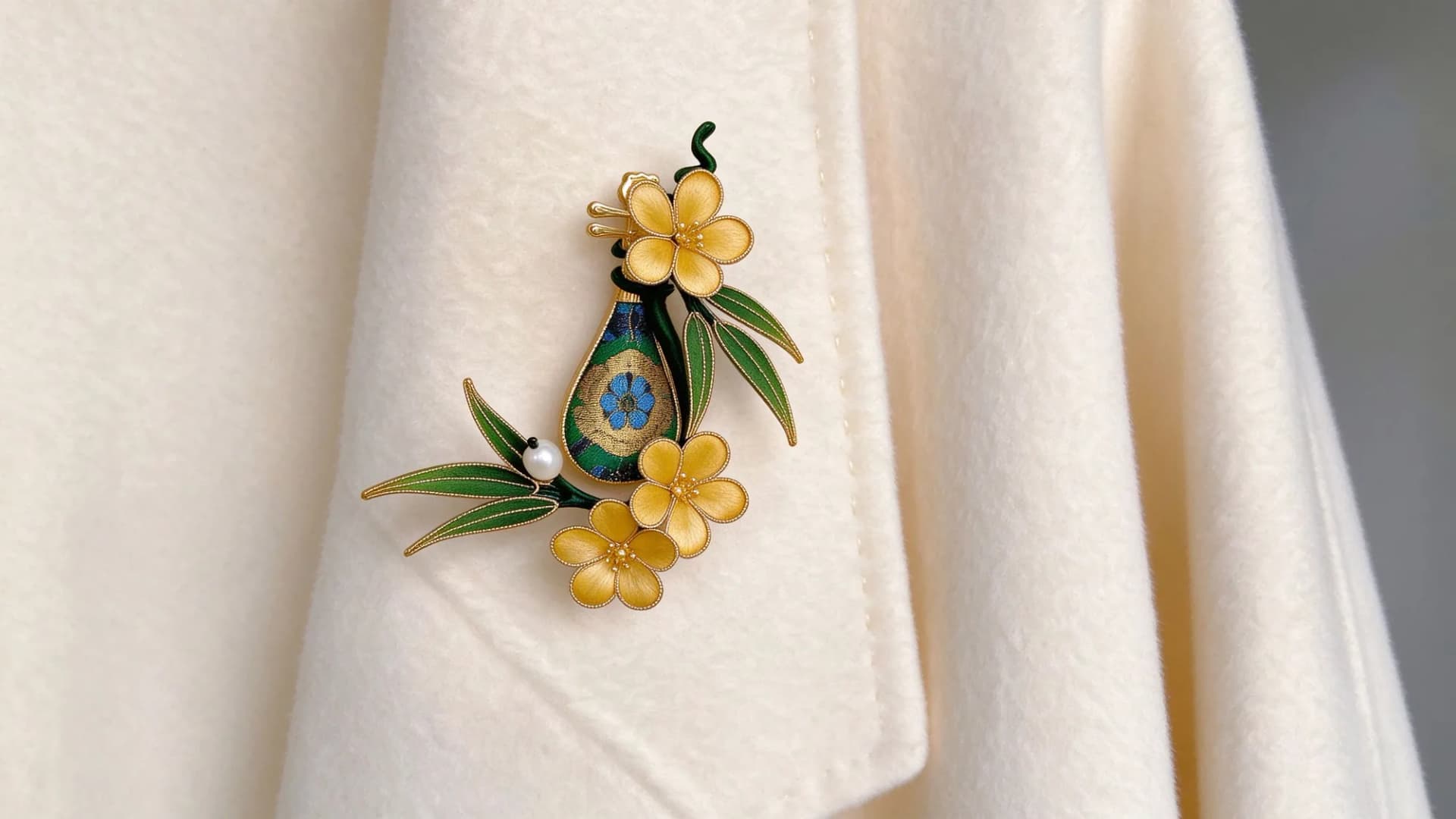
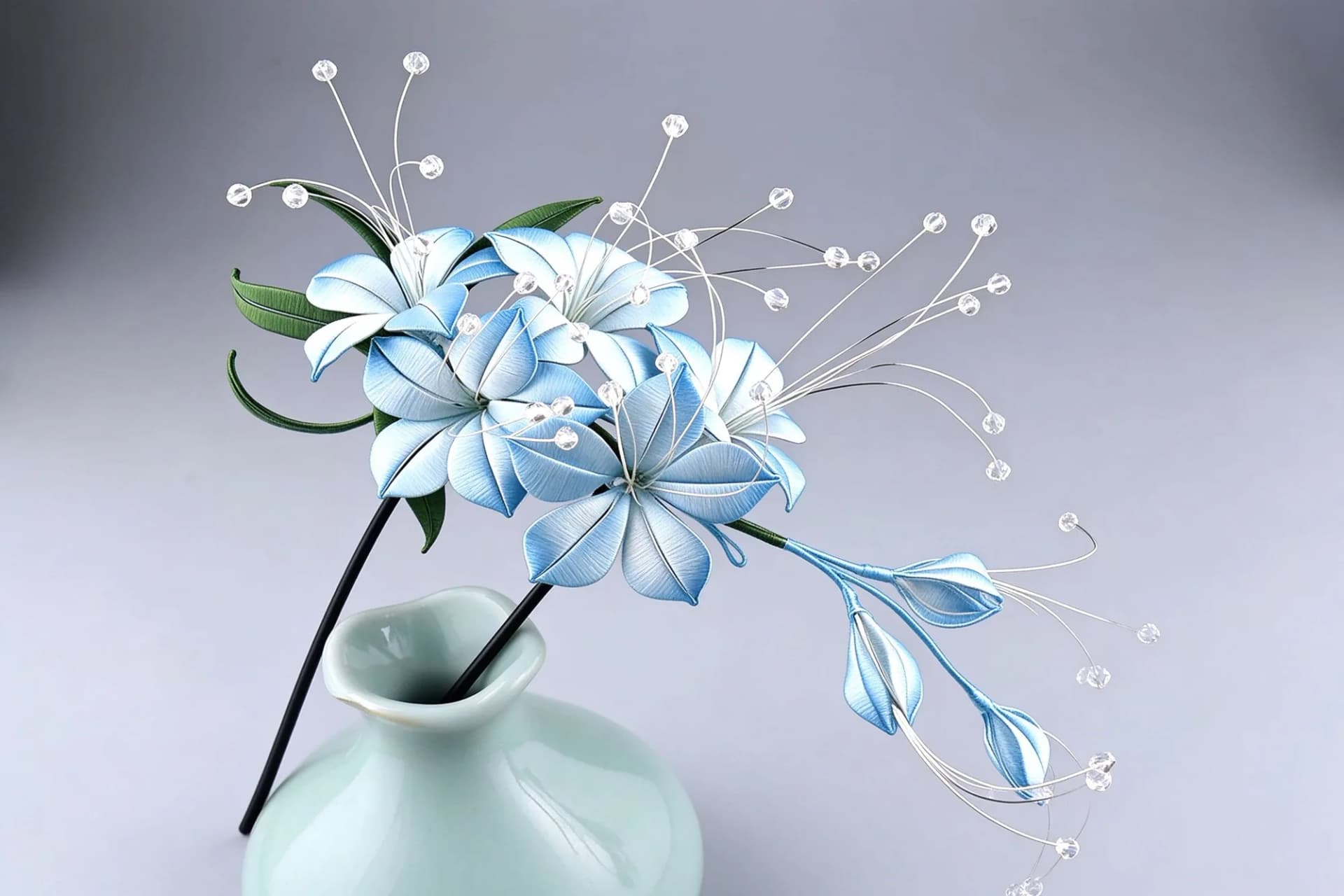
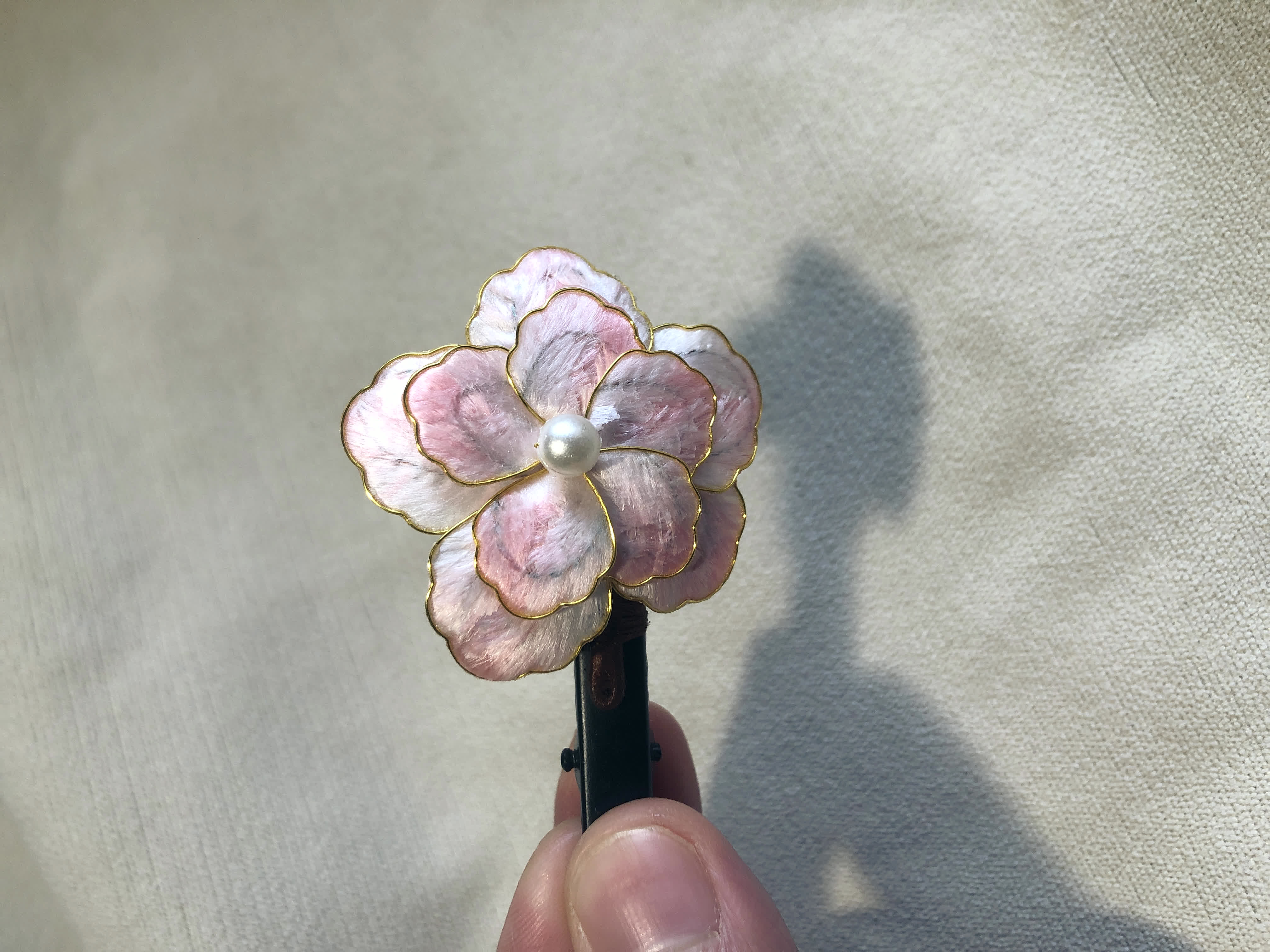
If you want the object and not the process, the phoenix brooch is a finished piece with a strong silhouette. If you want a first project that ends in something wearable, the hydrangea hairpin is a cluster, which hides small unevenness better than a single large petal.
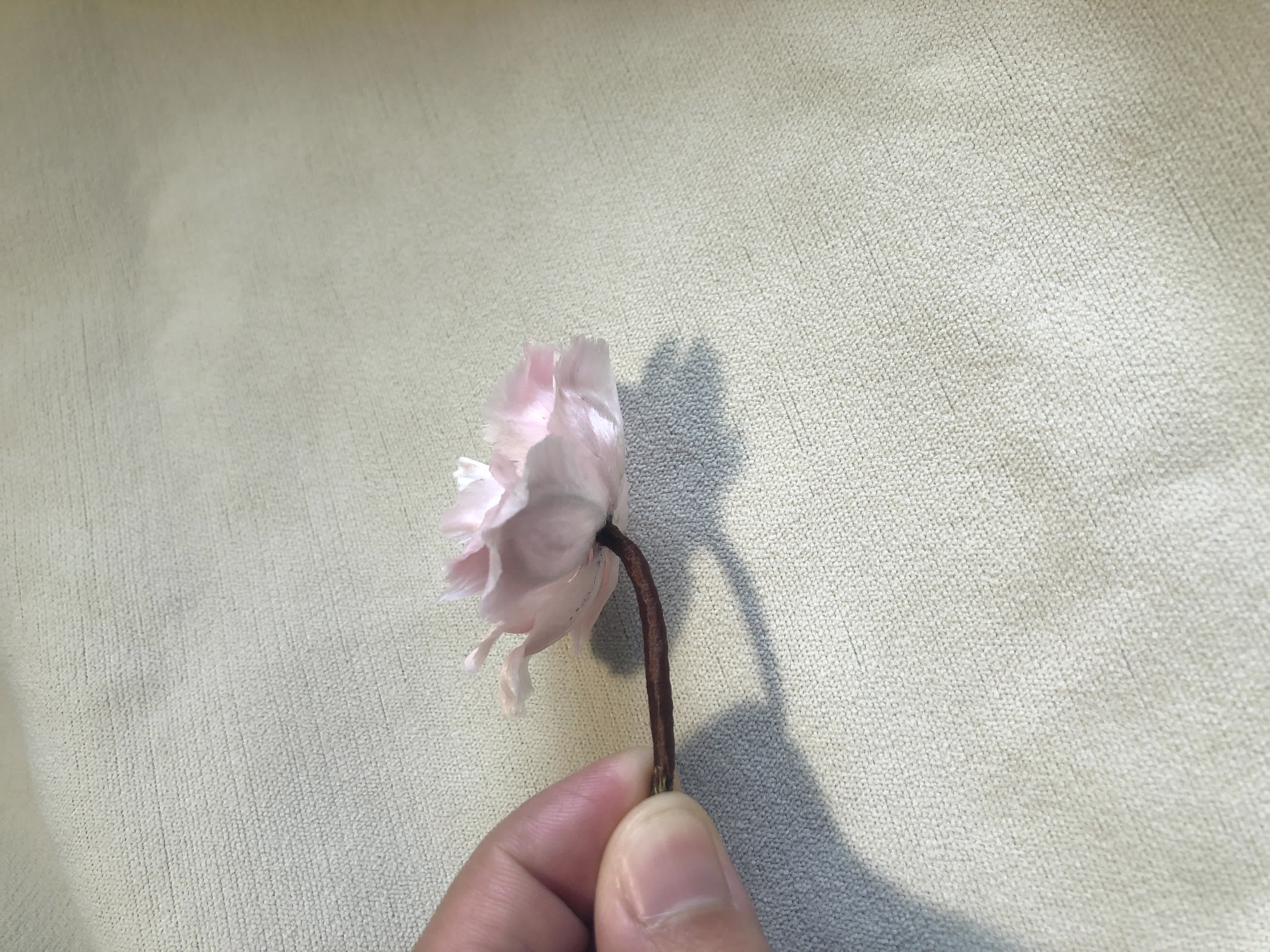
From the bench
My first flower was made at nine at night, after two children were asleep, and I nearly stopped halfway. It is still in the studio, and I show it to beginners before they buy a kit. If you only like the idea of a flower, buy the finished piece. If you like quiet work and can accept a bad first attempt, buy the materials.
What is the honest recommendation?
Buy the finished piece unless you can name the evening you will spend on the kit. That is not an argument for either product — it is the only way to avoid a drawer full of unused materials.
The craft is not hard. It is slow, and it is quiet, and it rewards people who wanted those two things before they started. If you are one of them, the first flower will still be ugly, and you will still keep it.
If you are still deciding whether the craft itself interests you, start with what ronghua is before you spend anything. The difference between wanting a flower and wanting the hours is worth ten minutes of thinking, and the same question in product terms is answered in DIY kit or finished piece.
Read next: Six tries to fix fuzzy ronghua petals — why a petal surface goes chalky, and how one pink hairpin was fixed after six attempts.
Frequently asked questions
How long does a first ronghua flower take?
A simple finished flower takes four to six hours of actual work, and a first attempt takes longer because you are learning the material at the same time. Split across evenings, that is usually three or four sittings.
Is ronghua hard to learn?
It is not hard to understand. You can watch a petal being bound and copy what you see. What it asks for is repetition and the willingness to sit still for a few hours, which is a different thing from difficulty.
Should I buy a kit or a finished piece?
Buy the finished piece if what you want is the object. Buy the kit if the quiet evening is part of what you are buying. Most disappointment comes from buying one and expecting the other.
What if my first flower looks bad?
It probably will. Mine did, and I still keep it in the studio and show it to people who visit. The first piece teaches your hands the tension, the trimming and the order of assembly.
Can I stop halfway and finish later?
Yes, but finish the petal you are on. Cord bound halfway loosens if it sits overnight, and a half-trimmed petal is hard to match the next day.